

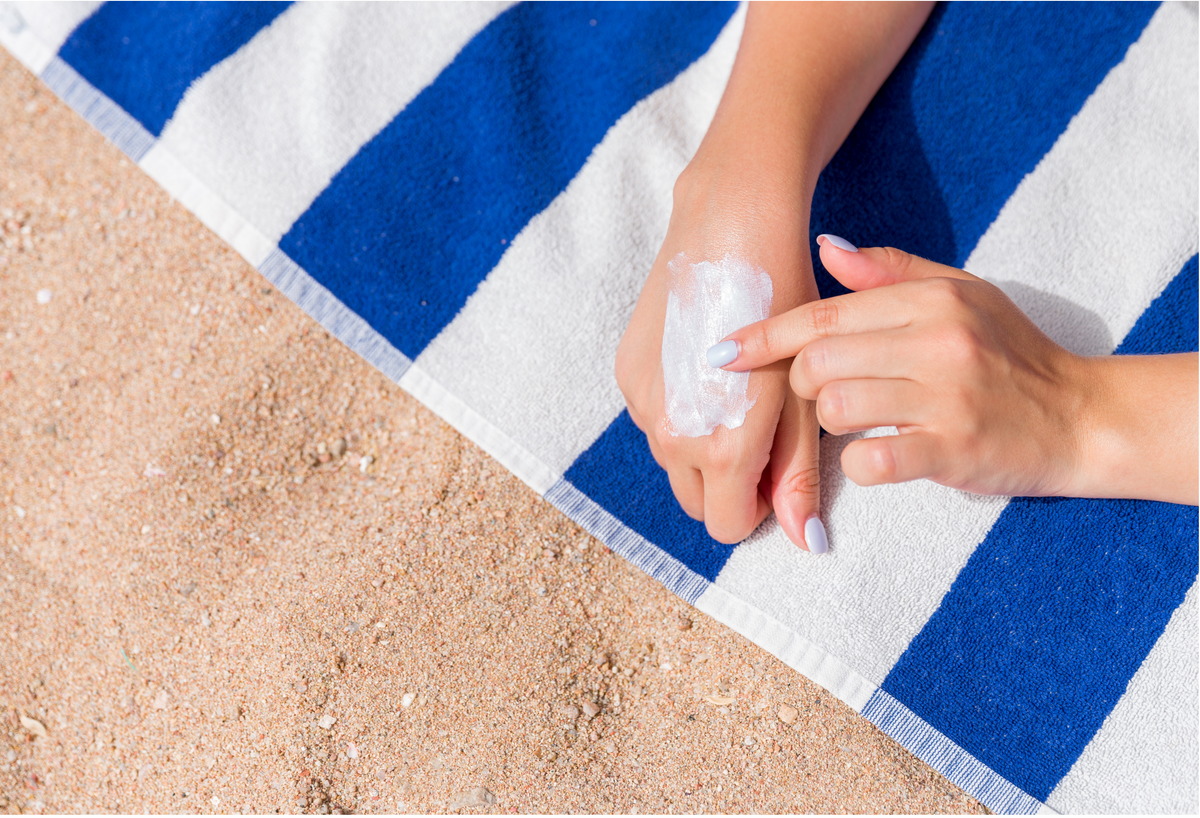

We’ve all been there: you find half a tube of sunscreen at the back of your bathroom cabinet or at the bottom of your beach bag, left over from last year. It looks perfectly fine, so why not just use it? The answer isn’t quite that simple, as sunscreen can actually expire. And while you’ve probably heard people say that “it’s still good after a year”, that’s not necessarily what the packaging says.
In this blog, we’ll explain how long sunscreen lasts, what the symbols on the packaging mean, how to store it properly and when it’s best to replace.
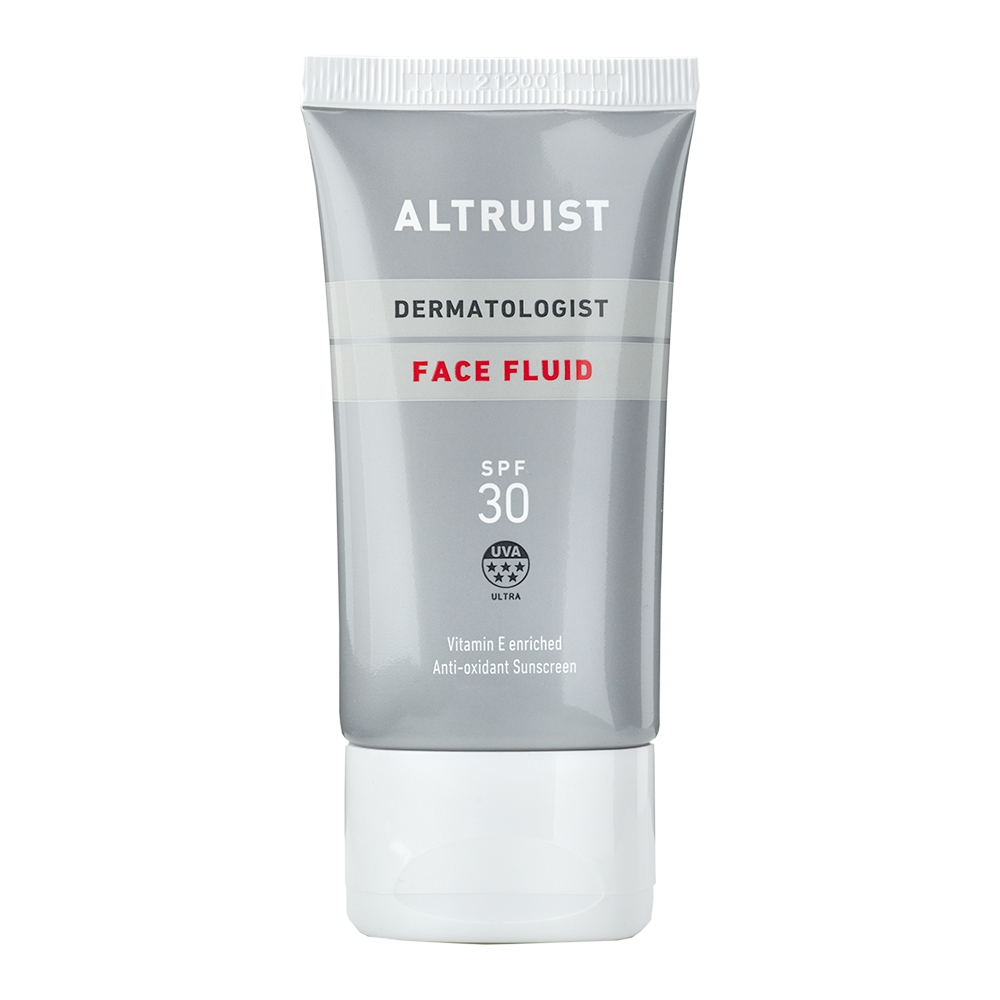
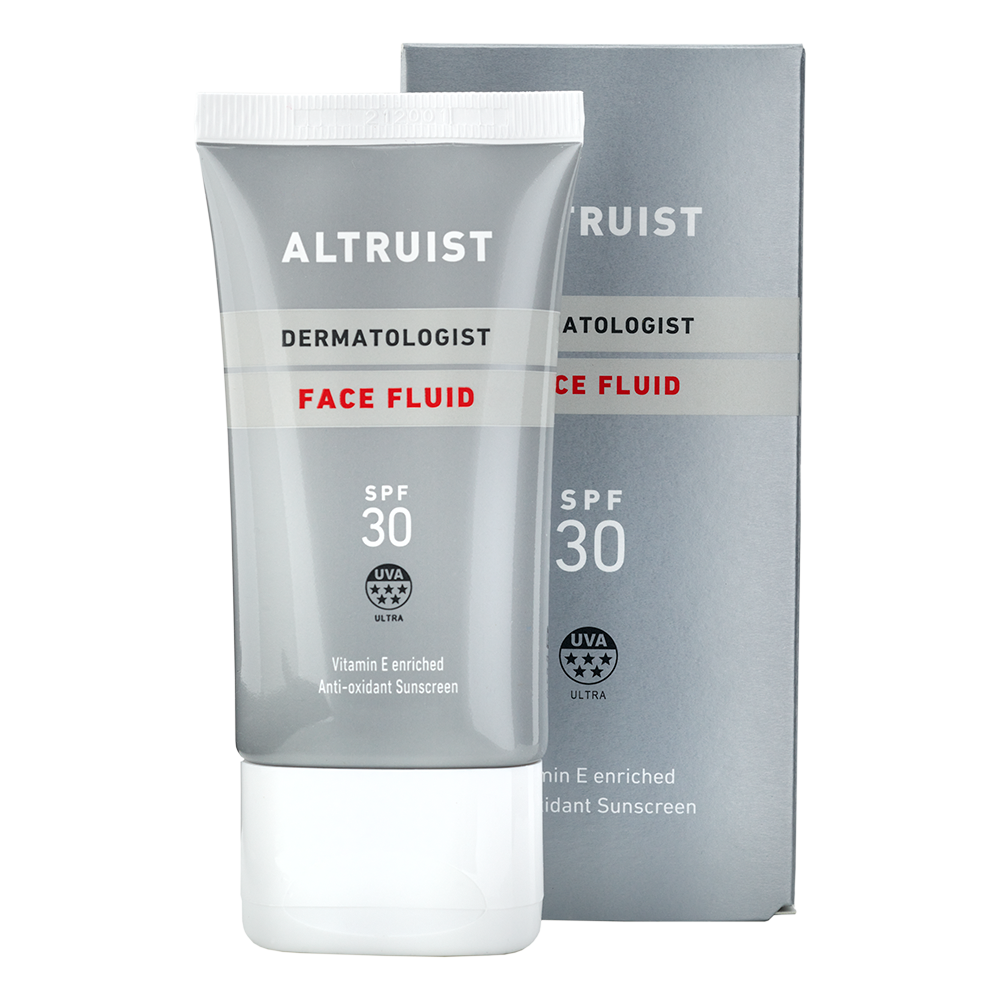
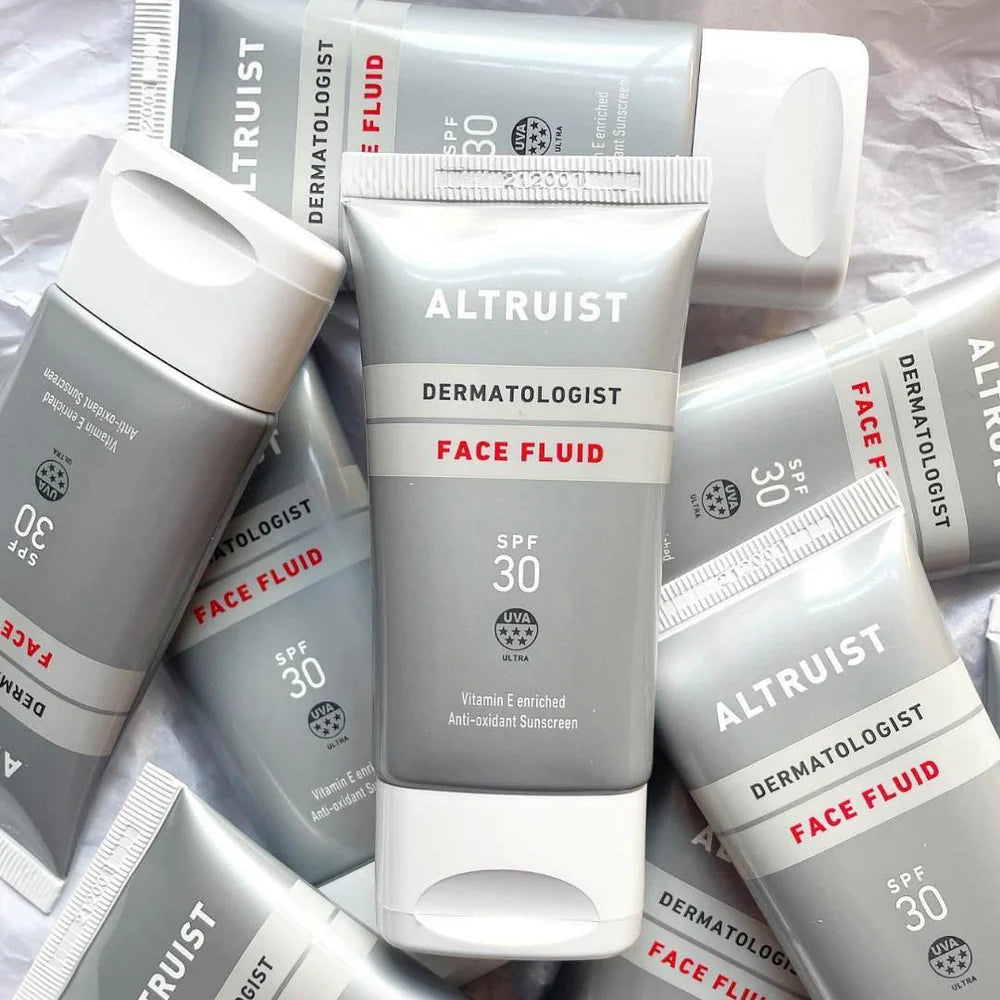
We’ll also tell you more about our Face Fluid SPF30 offer: this month, you’ll receive a free Face Fluid SPF30 with every order, helping you make the most of your sunscreen while it’s still within its shelf life.
Can sunscreen expire?
Absolutely! Sunscreen can deteriorate over time. Its formula is designed to remain stable for a certain period, only when it’s stored correctly. Once that period has passed, the quality of the product may change, meaning its protection against UV rays may no longer be reliable. Altruist sunscreens have a shelf life of 3 years when unopened. Once opened, multiple symbols on a packaging determine the shelf life of a sunscreen.
How do you read the shelf-life symbols on sunscreen?
Sunscreen packaging includes information about how long the product will last. There are two main types of shelf-life information you may come across:
1. Expiry date
Some products display a date labelled “Best before” or use an hourglass symbol alongside a date.This indicates when the product is expected to retain its original properties. Cosmetic products with a shelf life of less than 30 months must display an expiry date. Until that date, you can expect the product to perform as intended, provided it has been stored correctly.
2. The PAO symbol (Period After Opening)
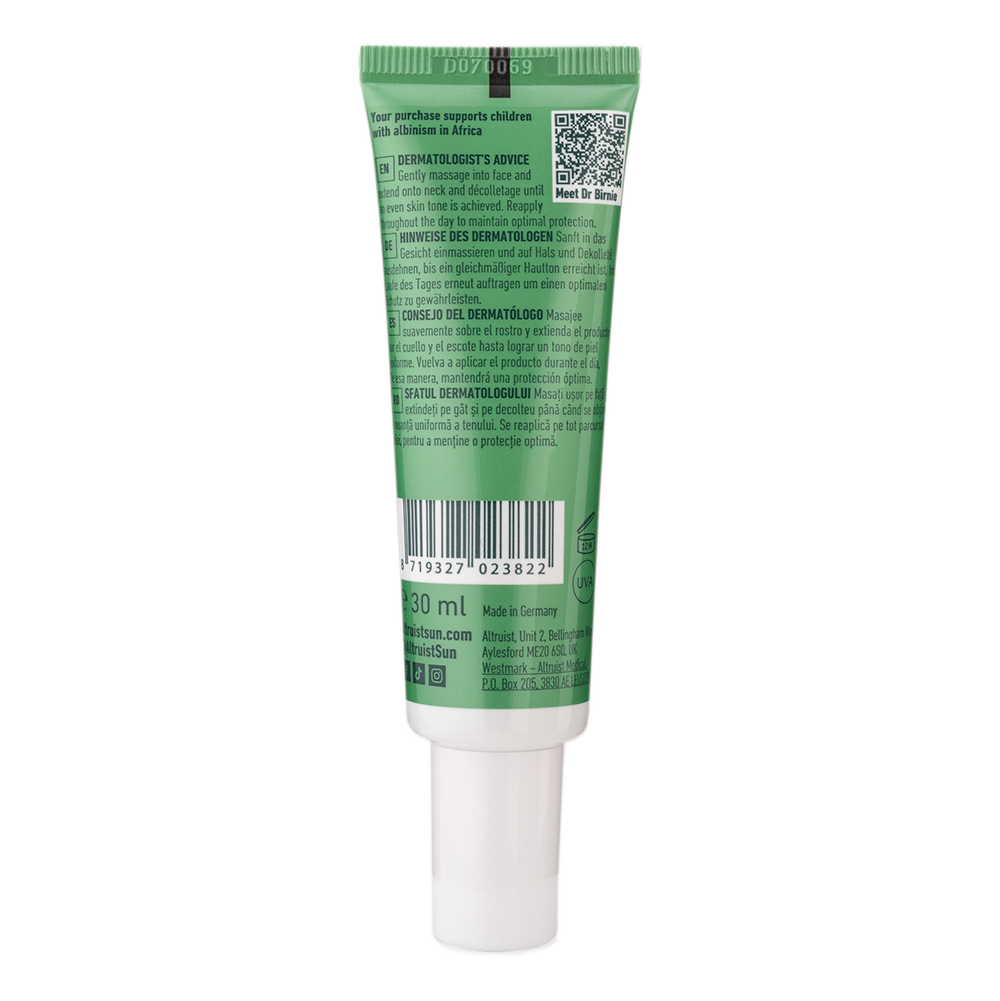
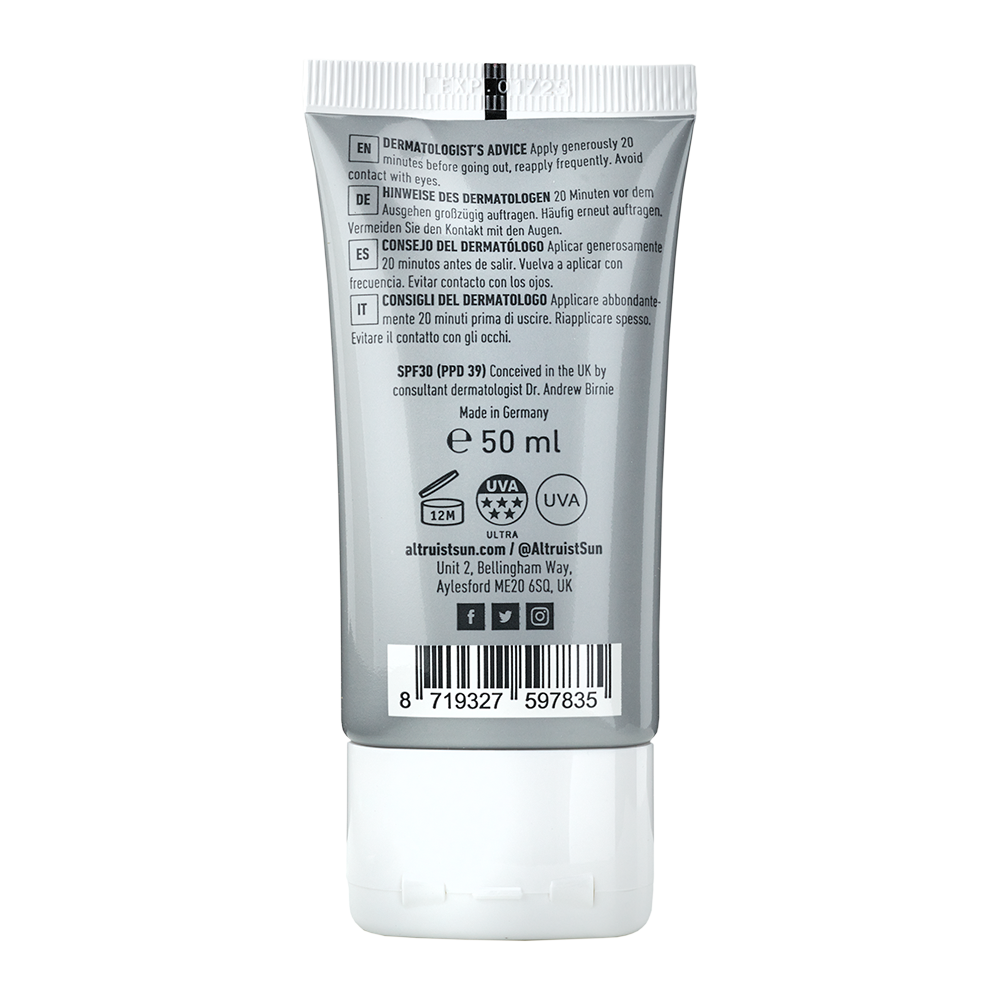
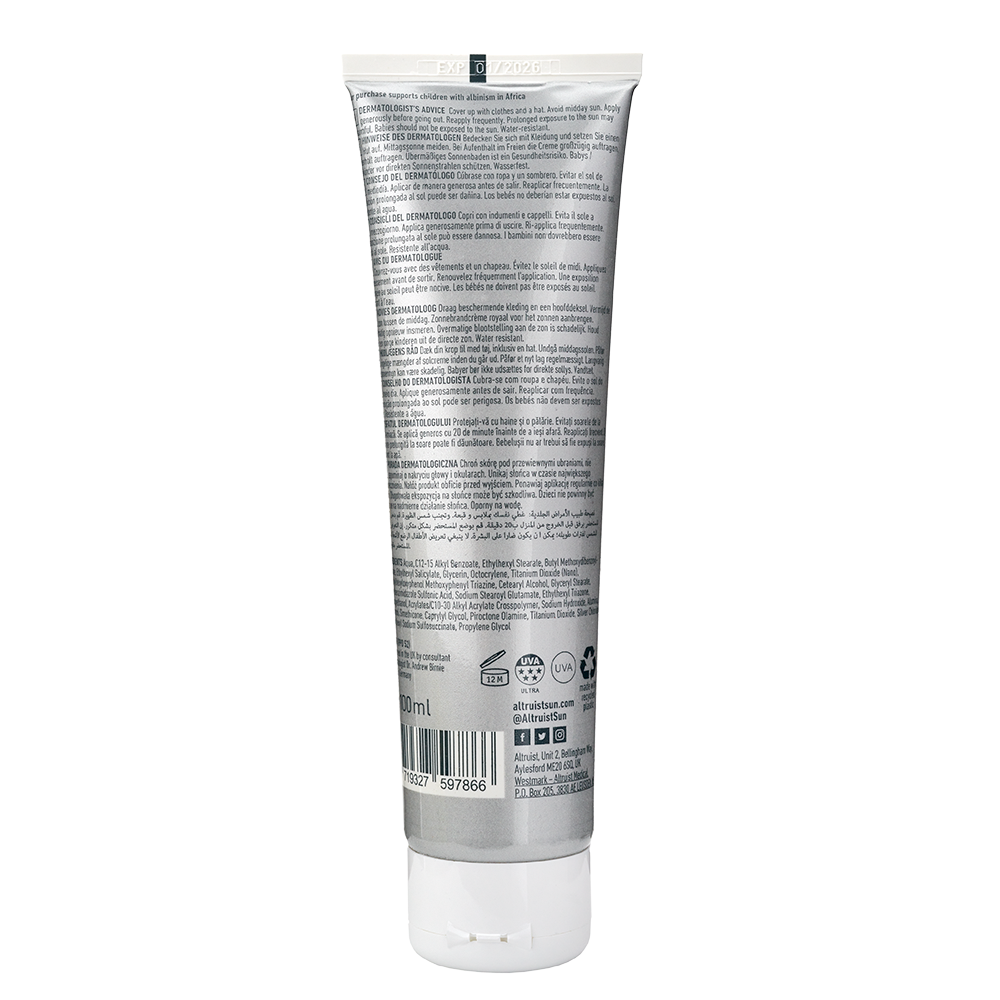
Another common symbol is the PAO symbol, which looks lie an open jar with a number followed by the letter “M”, or example, 12M. This tells you how many months you can use the product for after opening it.
A product will generally display either an expiry date or a PAO symbol, rather than both.
Helpful tip: When you first open your sunscreen, write the date of opening on the packaging with a permanent marker. This makes it easier to keep track of how long the product has been open and when it will expire.
Altruist has transitioned to displaying only the PAO (Period After Opening) symbol on our packaging. Previously, our packaging included both an expiry date and a PAO symbol. However,as Altruist sunscreens have an unopened shelf life of 36 months, displaying a separate expiry date is not required under EU cosmetic regulations. Having two different shelf-life indicators could sometimes cause confusion for customers. By switching to the PAO symbol only, we aim to make expiry information clearer and easier to understand.
How should you store sunscreen?
It’s very important to store your sunscreen properly to help maintain its quality and effectiveness. Remember to always check the instructions on the packaging. Ideally, store your tube at a temperature between 15°C and 30°C in a cool and dry place.
Here are a few simple tips to keep your sunscreen in the best possible condition:
-
Keep it out of direct sunlight: don’t leave your tube in direct sunlight for long periods, whether it’s on a garden table or on your beach towel.
-
Don’t leave sunscreen in a hot car: on hot summer days, temperatures inside a parked car can rise significantly and reach 35°C or higher. This heat could affect the quality of your sunscreen.
-
Close the lid tightly: this helps minimise unnecessary exposure to air and prevents dirt from getting into the product.
-
Store it in a cool, dry place: a cupboard or drawer away from heat sources is usually a good option. If you’re going skiing or spending time in freezing conditions, avoid leaving your sunscreen outside, as temperatures below 0°C can cause the product to freeze.
How can you tell if your sunscreen has expired?
The expiry date isn’t the only thing to look out for. There are several signs that can give you an idea of whether your sunscreen is still in good condition.
Changes in texture
Have you noticed that your sunscreen has changed texture? Perhaps the cream has become thinner, feels unusually greasy or you can see that the ingredients are no longer properly mixed together. These could all be signs that it’s time to replace your sunscreen. Lumps or a grainy texture may also indicate that the formula has deteriorated. If you notice any of these changes, it’s best to replace your sunscreen.
An unusual smell
Does your sunscreen suddenly smell strange or different from what you’re used to? This could be a sign that the product is no longer in good condition. If the packaging isn’t closed properly or the product isn’t used hygienically, the risk of contamination can also increase, which allows bacteria to get into the formula. This may cause skin problems such as irritation, spots or, in worse cases, an infection.
Not sure? Replace your sunscreen
Even if your sunscreen looks and smells perfectly normal, that doesn’t necessarily mean its sun protection factor (SPF) is still reliable. The ingredients can lose their effectiveness over time. That’s why it’s important to check the expiry date and consider how the product has been stored.
If you’re in doubt, it’s always best to replace it with a new one. That way, you can feel confident that your skin is properly protected against the harmful UV rays.
Our Face Fluid SPF30 offer

We, at Altruist, find it crucial that everyone is protected against UV rays all year round, not just in summer. Whether you're heading off on a skiing holiday, enjoying a winter walk or simply going about your day, sun protection remains an important part of your daily skincare routine.
Our Face Fluid SPF30 has a use-by date of February 28 2027; the sunscreen still remains good for use until that date. Rather than letting perfectly good sunscreen go to waste simply because its shelf life is getting shorter, we want to make sure it gets used.
It's our little gift to you, helping you protect your skin throughout the colder months while giving a perfectly good product the use it deserves. So therefore, we’re adding a free Face Fluid SPF30 to every order in November. The parcel also contains a leaflet explaining our offer.
The only condition is simple: use it before the end of February 2027.
How to finish your Face Fluid SPF30 before the expiry date
-
Make it a habit: Use sunscreen every morning as part of your routine, for example after your moisturiser. The more consistent you are, the easier it becomes to protect your skin every day.
-
Apply enough sunscreen: By applying the recommended amount each time, you’ll use up your bottle more quickly. For the whole body, about a shot glassful is often recommended per application.Applying too little can reduce the level of protection you get.
-
Take it with you: Heading out for a winter walk or off on a skiing holiday? Put your Face Fluid in your bag so you can reapply when needed.


Beyond the Ban: Rethinking Skin Cancer Prevention for Sunbed Users - By Anushka Sharma