

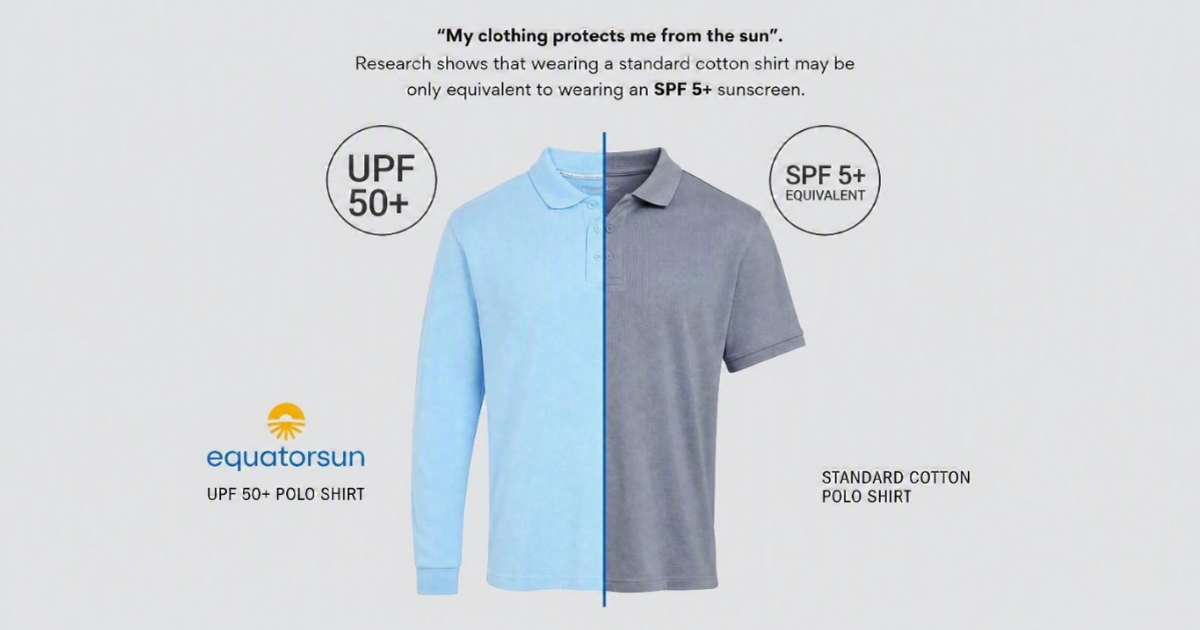
UPF Clothing explained: How Much UV Do Normal Clothes Actually Block?

Summer is here and the sun is finally out across the UK, and this means sun protection is back on everyone's mind. Sunscreen is the obvious step, but the clothes covering the rest of your body matter just as much. With most melanoma cases arising from an overexposure to UV rays (Cancer Research UK, 2026), it is important to understand just how much UV passes through the clothes we trust.
Key takeaways
- A normal white cotton t-shirt may offer a UPF of only about 5 to 7 (similar to an SPF rating of 5-7), dropping to around 3 when wet. It is not the protection most people assume it is.
- UPF (Ultraviolet Protection Factor) measures how much of both UVA and UVB rays a fabric blocks.
- Look for a certified UPF 50+ rating, which is the highest rating and blocks over 98% of UV, from a specialist like equatorsun. Closer weaves and deeper colours block more than loose, pale fabrics.
- UPF clothing and sunscreen work best as a pair. Clothing covers the large areas, sunscreen covers the skin left exposed.
Children's skin burns more easily, and childhood sunburn significantly raises melanoma risk, so covering them with UPF clothing from a young age is important. For babies under six months, where sunscreen is not recommended, UPF clothing is one of the main protections they have.
What is UPF clothing and how is it different to SPF?
UPF stands for Ultraviolet Protection Factor. It is the clothing equivalent of the SPF number on your sunscreen, but it measures protection against a broader spectrum of UV rays.
SPF measures protection against UVB rays, which are primarily responsible for sunburn. UPF measures the protection against both UVA and UVB rays. UVA rays go deeper into the skin and play a key role in skin ageing. Both UVA rays and UVB rays contribute to the development of skin cancer.
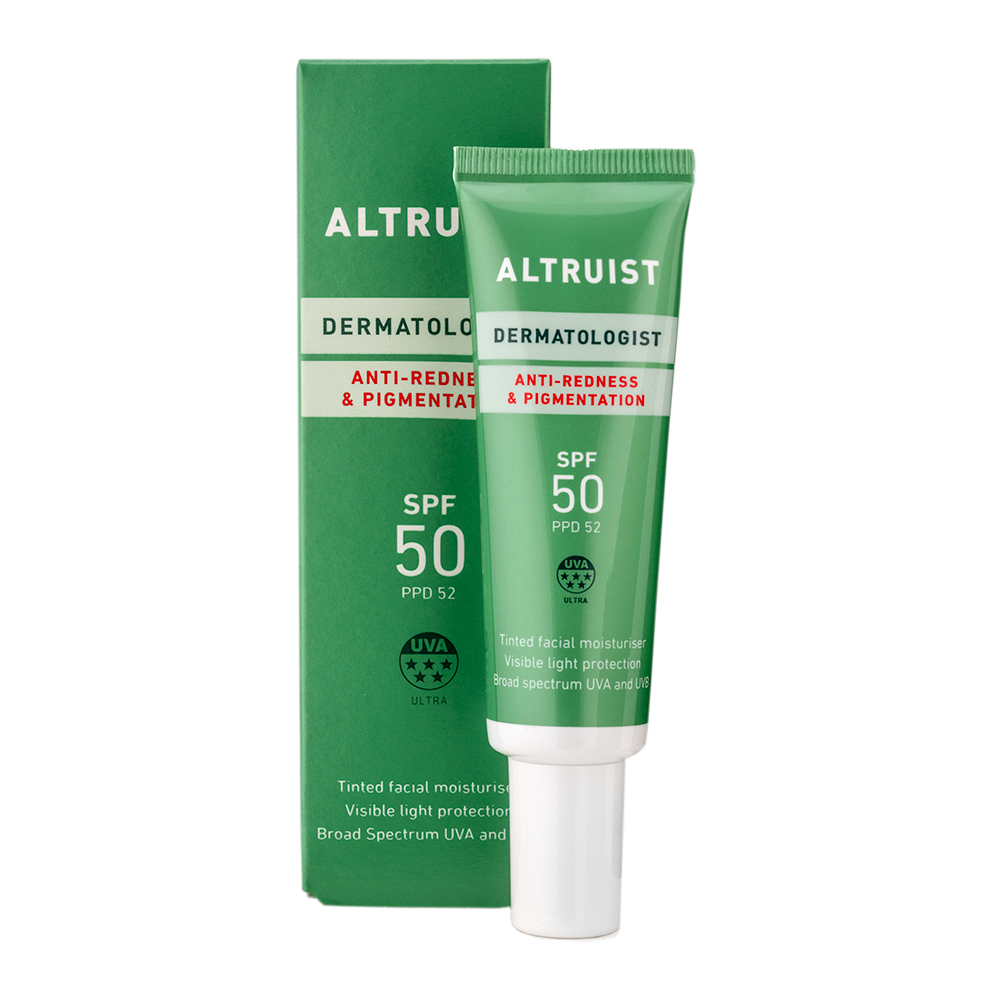
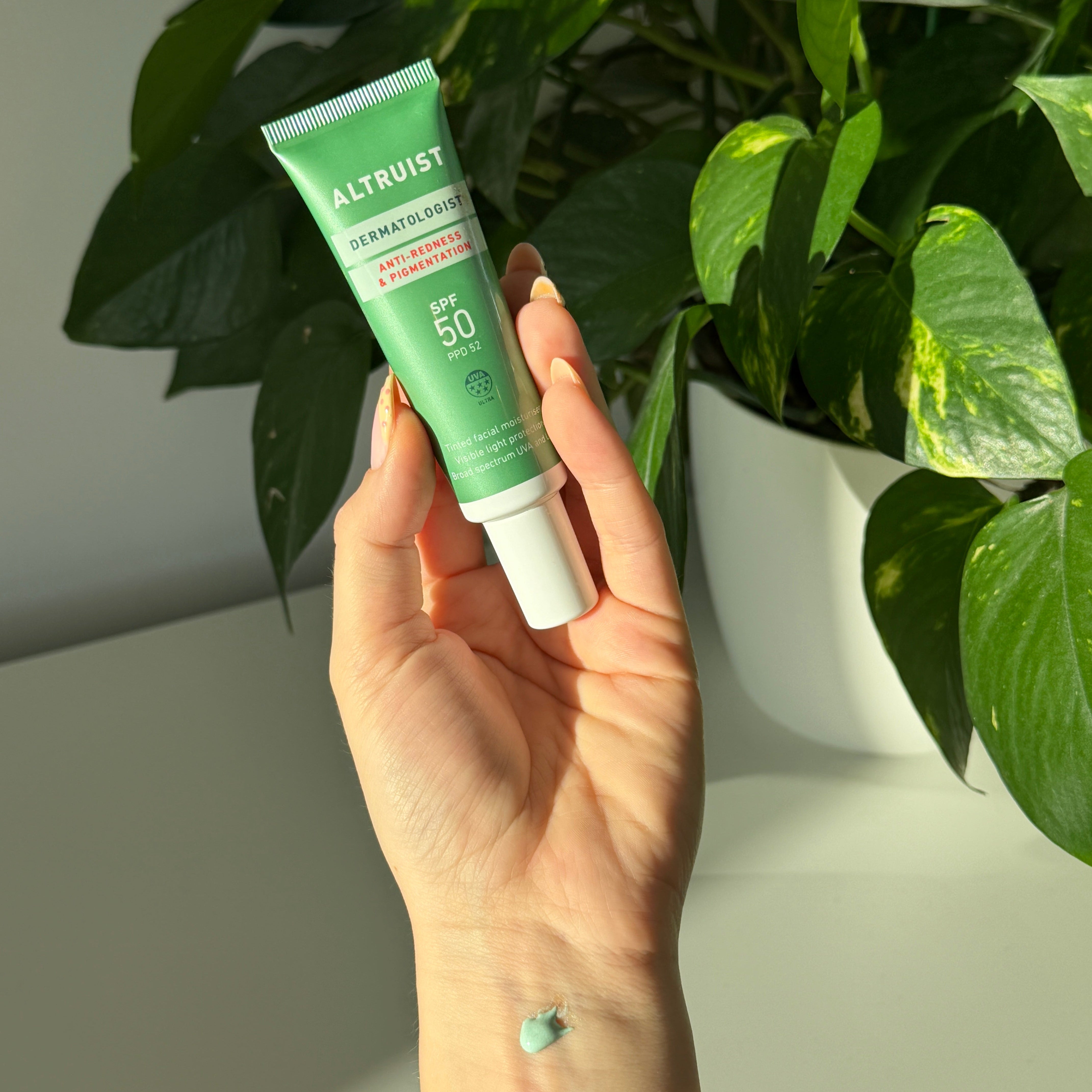
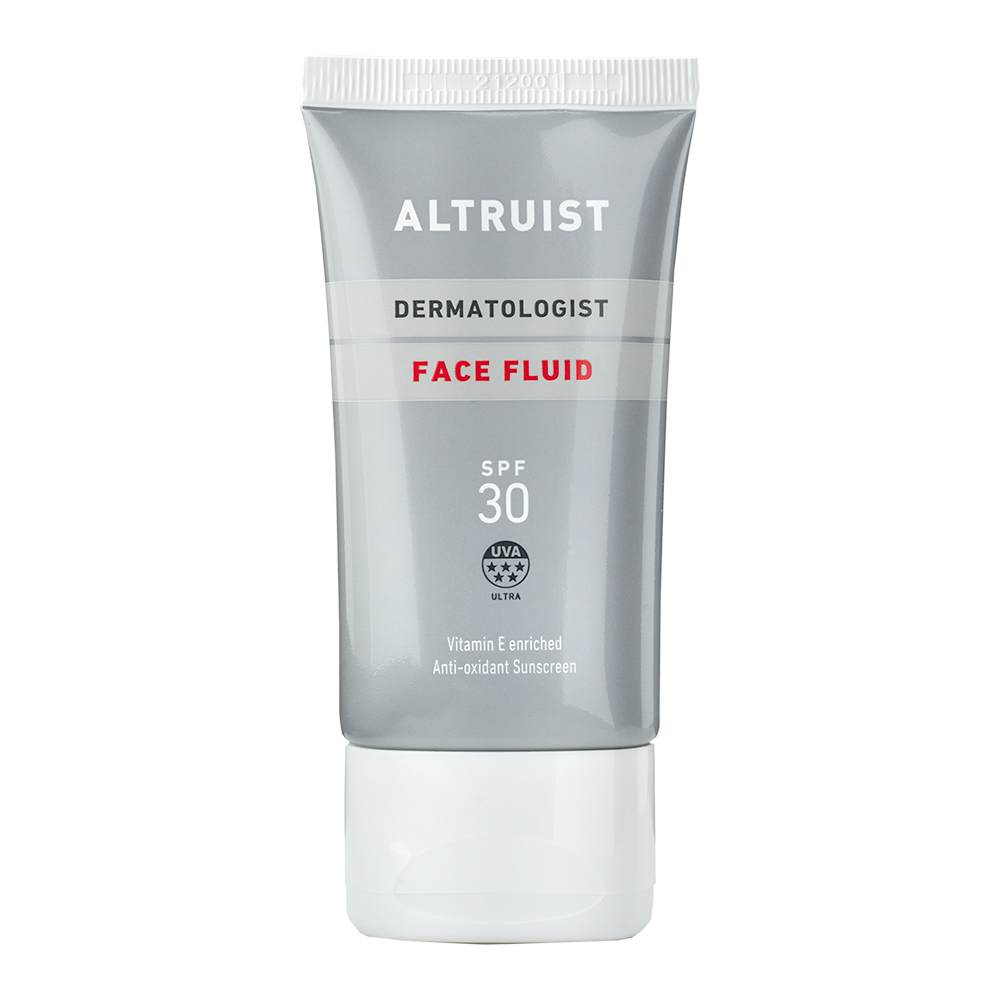
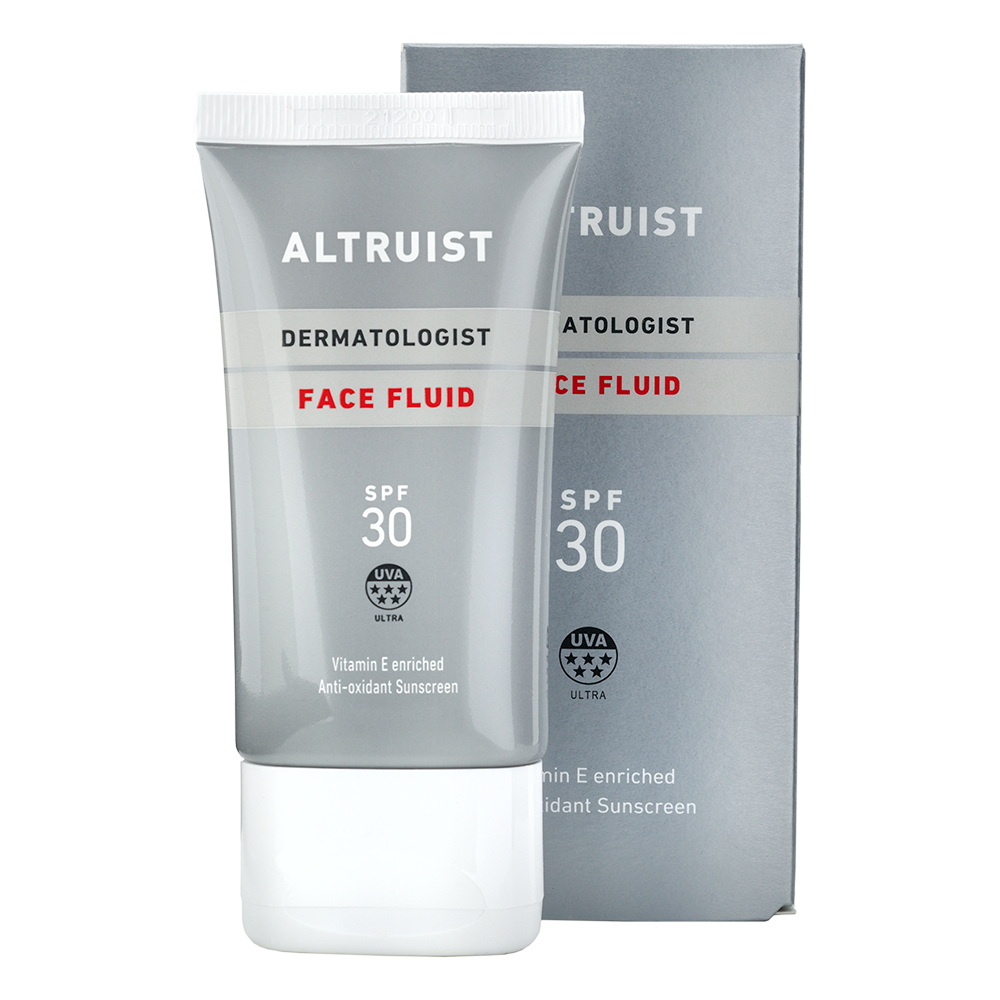
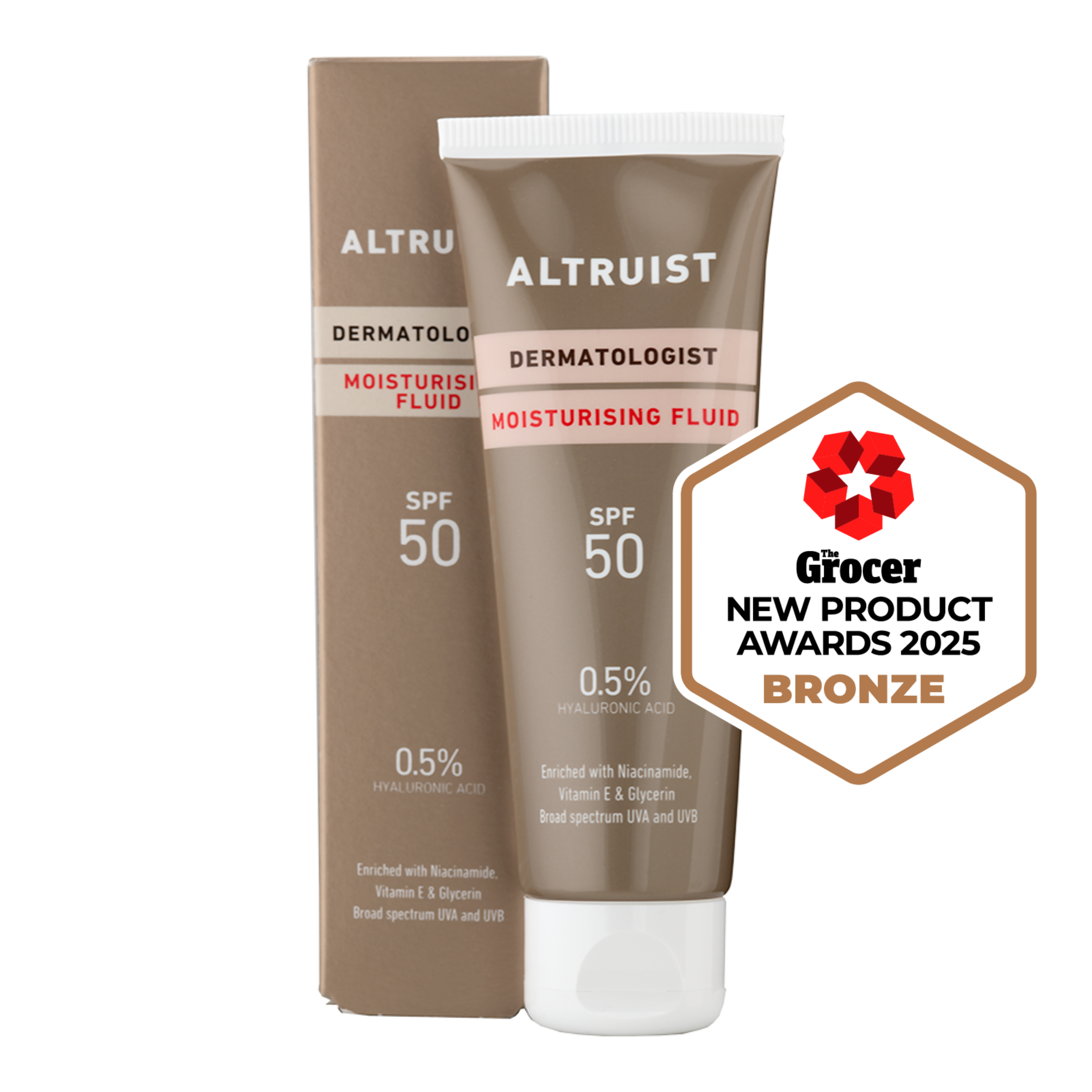
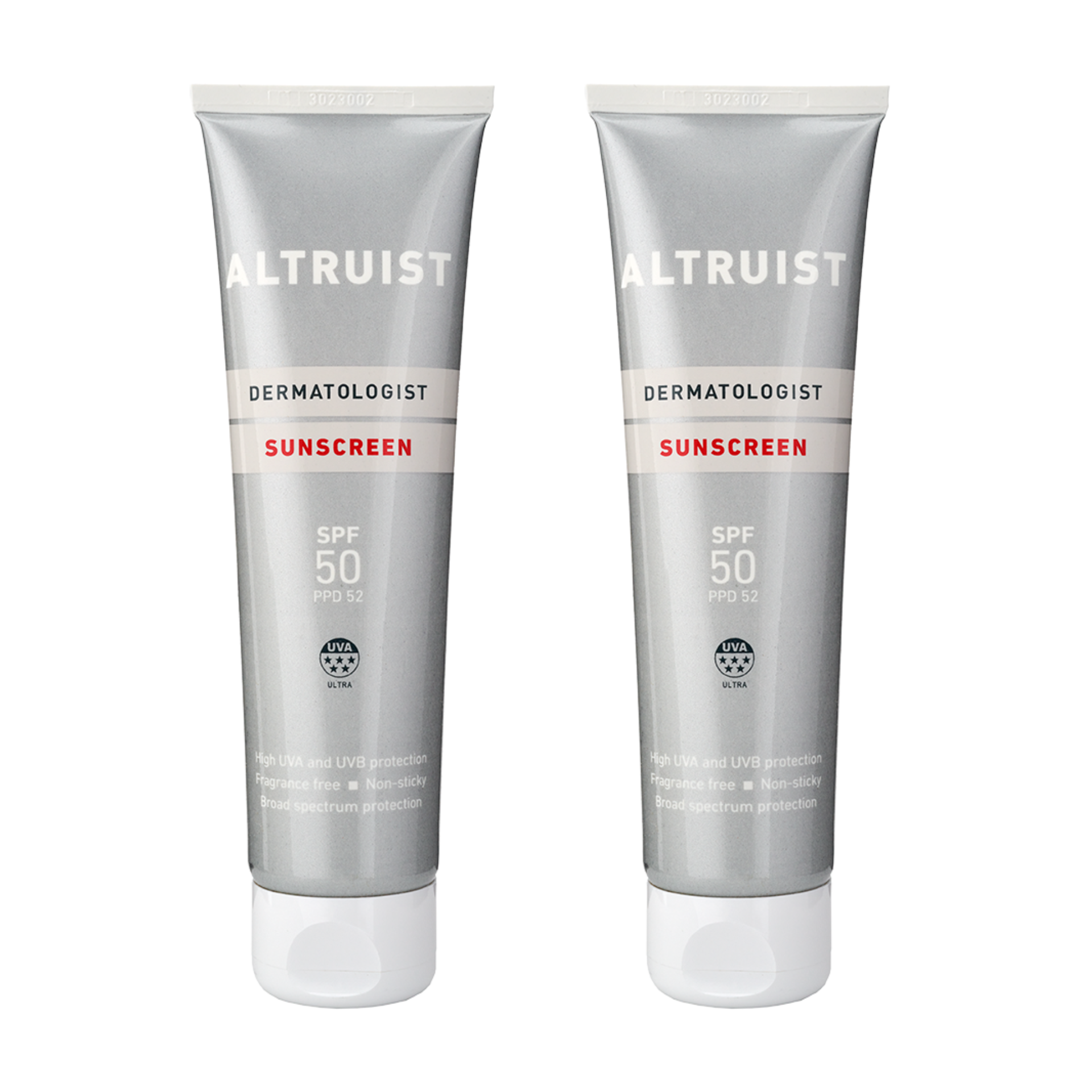
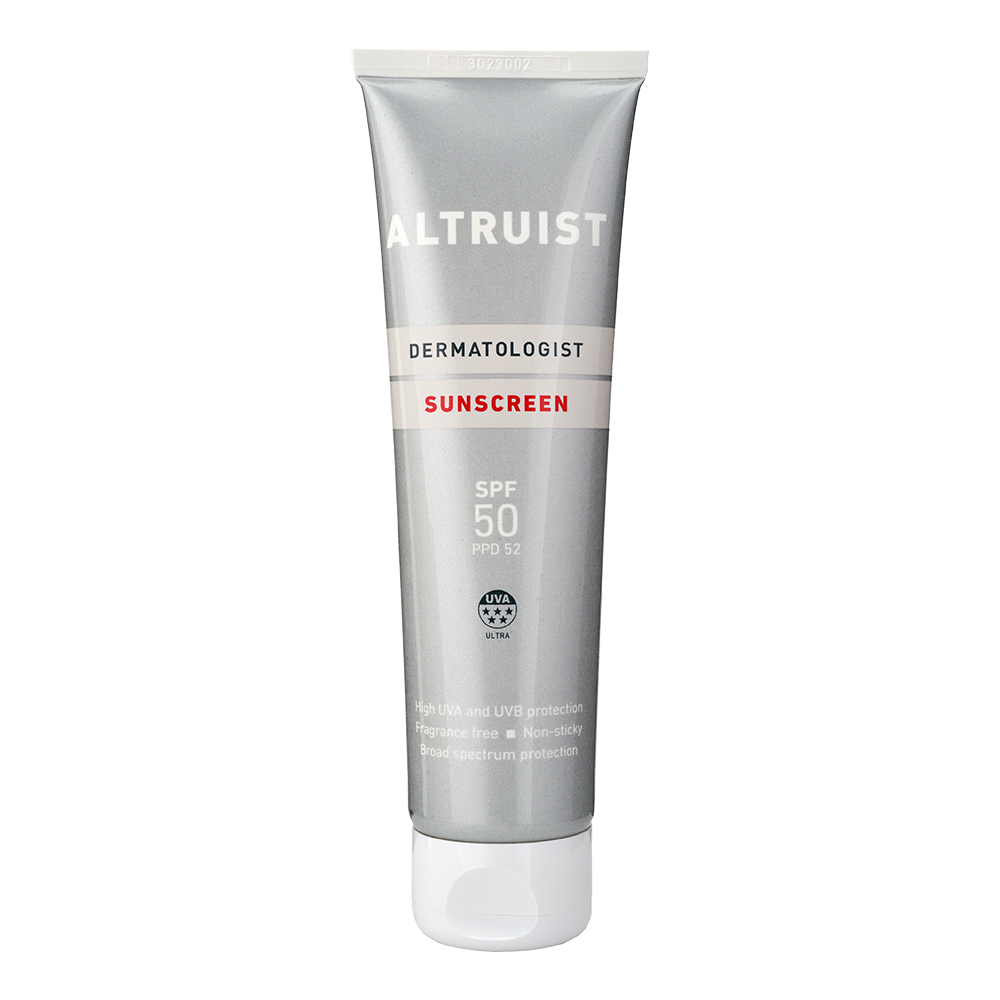
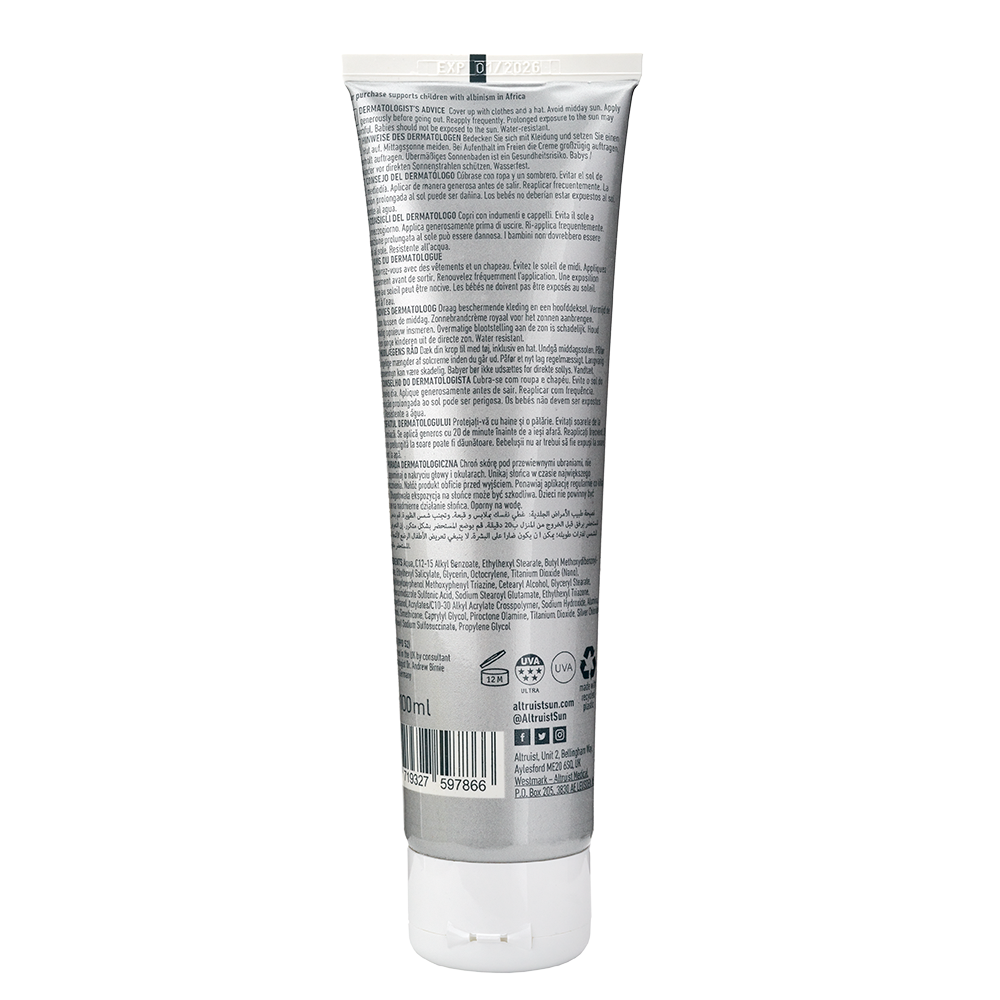
This is why using a broad-spectrum SPF 50+ sunscreen, such as the ones offered by Altruist, is important as it provides protection against both UVA and UVB rays.
A garment rated UPF 50+ blocks over 98% of both UVA and UVB rays. Because the protection comes from the fabric itself, it does not rub off, sweat off or need reapplication.
How much UV do normal clothes actually block?
Far less than you would expect. The Skin Cancer Foundation notes that an everyday cotton t-shirt provides only moderate protection, with a UPF of about 7, which drops to around 3 when it gets wet. In plain terms, a UPF of 5 means the fabric is letting through 20% of the UV that hits it, so the skin underneath is still receiving a steady dose of UV all day.
So why does a normal t-shirt score so low? Four things decide how much UV any garment blocks:
- Weave and density: Intuitively the tighter weaves leave less space for UV rays to pass through.
- Type of fibre: Synthetic materials, like polyester, are better at deflecting UV rays than their natural counterparts, such as cotton or linen, unless they are chemically treated.
- Colour. Deeper, richer colours absorb more UV than pale ones. This runs against the instinct to wear white or light shades on a hot day.
- Wetness and stretch. Wet fabric, or fabric pulled tight across the skin, lets through noticeably more UV than dry, relaxed fabrics.
In practice, the clothes we naturally choose for bright, hot summer days are light colours and loose cotton weaves, often damp, which are the clothes that protect us the least, at the very moment the sun is strongest.
How to choose the best UPF clothing and swimwear
If you are buying UPF clothing for the first time, follow these simple checks:
- Look for a certified UPF 50+ rating. UPF 50+ is the highest standard rating, blocking over 98% of UV. Check the items have been tested to a recognised standard, such as the Australian or European, which shows they protect even when wet and after repeated washing. equatorsun's range, for example, is certified UPF 50+ to the Australian and New Zealand standard AS/NZS 4399, one of the strictest in the world.
- Check that the protection is built into the fabric, ideally not chemically applied. Chemical coatings may wash out over time. Sun protection from the fabric’s weave density, like equatorsun's, lasts the life of the garment.
- Prioritise coverage. A garment can only protect the skin it covers, so look for pieces that cover more of the body, like full-body sunsuits, long-sleeve rash vests with high collars and legionnaire hats.
- Be practical. It should be comfortable and easy to get on a restless child, or you will not use it. Protection only counts if it is actually worn.

Why choose equatorsun for UV protection clothing and swimwear
Behind equatorsun is a personal story. The brand was founded in 2006 by the current owner's mother, Annette, after she was diagnosed with melanoma. The diagnosis was a shock, not least because she had never been a sunbather. As she looked into it, she found that ordinary clothes let through more UV than she had imagined. She had been exposed throughout her life without knowing it, on the school run, in the garden, and in all the everyday moments where she assumed her clothes were covering. That gap between feeling covered and being protected, was what she set out to close.
She turned to certified UPF 50+ clothing, protection built into the fabric that did not wash off or wear away and founded equatorsun so other families could find it too. Annette passed away in 2009. Today the brand is run by her son, continuing her mission to help people protect themselves from skin cancer through UPF fabrics.
What sets equatorsun apart:
- A dedicated UV clothing and swimwear specialist. equatorsun's range is made by the original Australian sun protective clothing manufacturer, which has been producing UV protection since 1986. That experience shows in the garments: designed for the most intense UV conditions, comfortable and breathable to wear, and protective through the fabric itself rather than added chemicals. Every piece is verified UPF 50+, which matters in a market where UPF claims are not always independently certified.
- UK based and dispatched from the UK. equatorsun is one of the only major UPF specialists based in the UK, offering next-day delivery for last-minute packing, alongside easy returns, and responsive customer service.
- Protection for the whole family: From baby, toddler & kids, to women's and men's UV protection ranges, equatorsun has sun protection for all the family.
Mission-led brand. equatorsun was founded by someone living with the consequences of sun damage, and it remains a mission-led business. A portion of profits goes to a tribute fund in memory of the founder, Annette, supporting research into cancer vaccines and immunotherapy.
equatorsun is also recommended by leading UK dermatologists. As Dr Dev Shah, a consultant dermatologist and skin surgeon, says:
"UPF clothing is an essential part of any sun protection strategy. It offers consistent coverage and long-term UV defence, especially for those at higher risk of skin cancer. equatorsun helps make that protection both effective and practical."
SPF and UPF clothing: protection that works together
Broad-spectrum sunscreen and UPF clothing work together to provide the most comprehensive level of protection against UV rays, other than staying out of the sun entirely.
UPF clothing covers the large areas, the torso, back, shoulders, arms and legs, consistently, all day. Sunscreen protects the skin clothing leaves bare, the face, ears, neck, hands and feet, which is the only practical way to cover those areas. One handles the big surfaces, the other handles the gaps.
This is why the long-standing sun safety advice, promoted by Cancer Council Australia, is to slip on a shirt, slop on sunscreen and slap on a hat.
The Skin Cancer Foundation, the American Academy of Dermatology and Cancer Research UK all describe sun protection in these layered terms, with clothing, sunscreen, shade and a hat working as one system.
The one exception is the very youngest. Many health bodies, including the NHS, advise keeping babies under six months out of direct sunlight and relying on shade and clothing rather than sunscreen, which makes a properly rated UPF garment their main line of protection.
Frequently asked questions
How much UV passes through normal clothes?
More than most people think. A standard white cotton t-shirt has a UPF of only about 5 to 7, and around 3 when wet, so around 20% of UV still reaches the skin underneath. Purpose-made UPF 50+ clothing, such as equatorsun's, blocks over 98% and holds that protection when wet.
Does UPF clothing really make a difference?
Yes, a significant one. A UPF 50+ garment, such as equatorsun's, blocks over 98% of UV across the skin it covers and keeps doing so when wet, whereas an ordinary white cotton t-shirt can block only around 80%, dropping further once it gets damp.
What is UPF clothing made of?
UPF clothing is usually made from tightly woven synthetic fabrics such as polyester, nylon and elastane, which provide sun protection through their fabric properties and weave density. Some UPF clothing uses chemical additives to achieve its protection, though many specialist brands, such as equatorsun, tend to avoid these, since that protection can wash out over time.
How long does UPF clothing last?
Quality UPF clothing keeps its protection for the life of the garment, because the UV protection comes from the fabric itself rather than a chemical coating that may wash out.


How much sunscreen do you need? A complete guide for face and body
What Is PPD, and Why Does It Matter More Than SPF alone?