

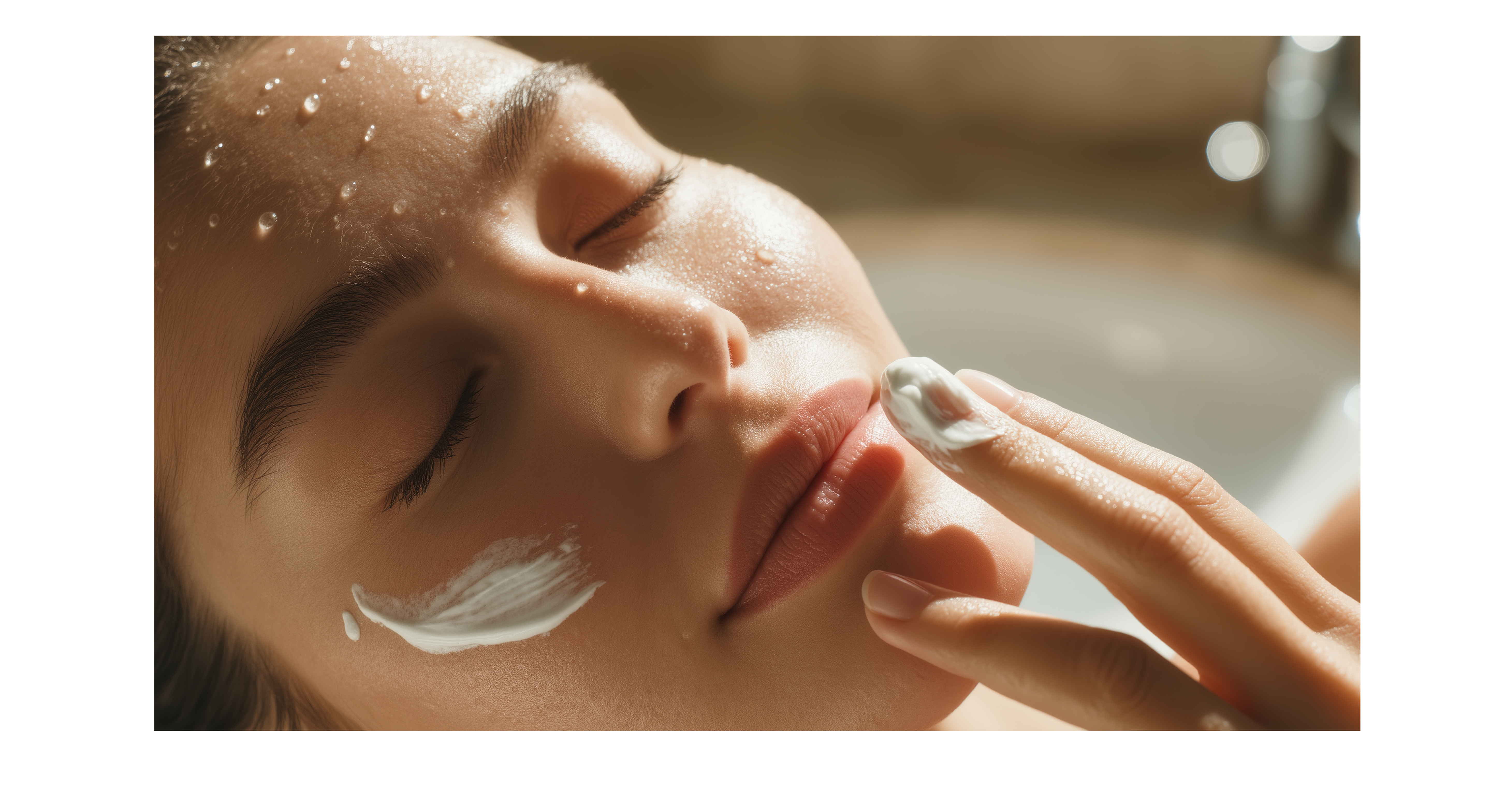

Summer holidays are over, and while you might be feeling refreshed after being away, your skin may be feeling a little different.
After weeks of increased sun exposure, sea water and chlorine, your skin can be left feeling dry, tight or dehydrated. More sweating and heavier sunscreen use can also contribute to clogged pores and congestion, while pigmentation may become more visible after spending more time in the sun. Your usual skincare routine may have taken a back seat too, and that’s okay.
Now is the perfect time to get back on track.
The Altruist team is here to help. From replenishing moisture to supporting your skin barrier, we’re sharing our tips for helping your skin recover after summer.
1. Start with hydration
After a summer of sunshine, swimming and warm weather, your skin may be craving one thing above all: hydration.
Spending time in the sea or pool can leave your skin feeling dry and tight, while sun exposure and hot weather can add to that dehydrated feeling. If your skin feels less soft or looks a little dull after your holiday, it could be a sign that it needs some extra moisture.
The first step in your routine should be to bring that moisture back. Start with a gentle cleanser that won’t leave your skin feeling stripped, followed by a nourishing moisturizer to help keep your skin feel soft and comfortable. Applying a moisturiser while your skin is still slightly damp can also help to maintain hydration.
And remember: hydration isn’t just a winter skincare step. Your skin needs moisture all year round, especially after the summer months.
What ingredients should you look for
When choosing a moisturiser, look for ingredients that help attract and retain moisture. Here are some key ingredients to look for:

-
Glycerin: a humectant that helps draw water towards the skin, leaving it soft, smooth and hydrated.
-
Hyaluronic acid: a sugar molecule to help bind moisture to the skin by leaving it hydrated and plumped.
-
Shea butter: a rich, and nourishing ingredient made from the nuts of a shea tree. It helps moisture the skin and makes it feel soft and comfortable (American Academy of Dermatology Association, 2026).
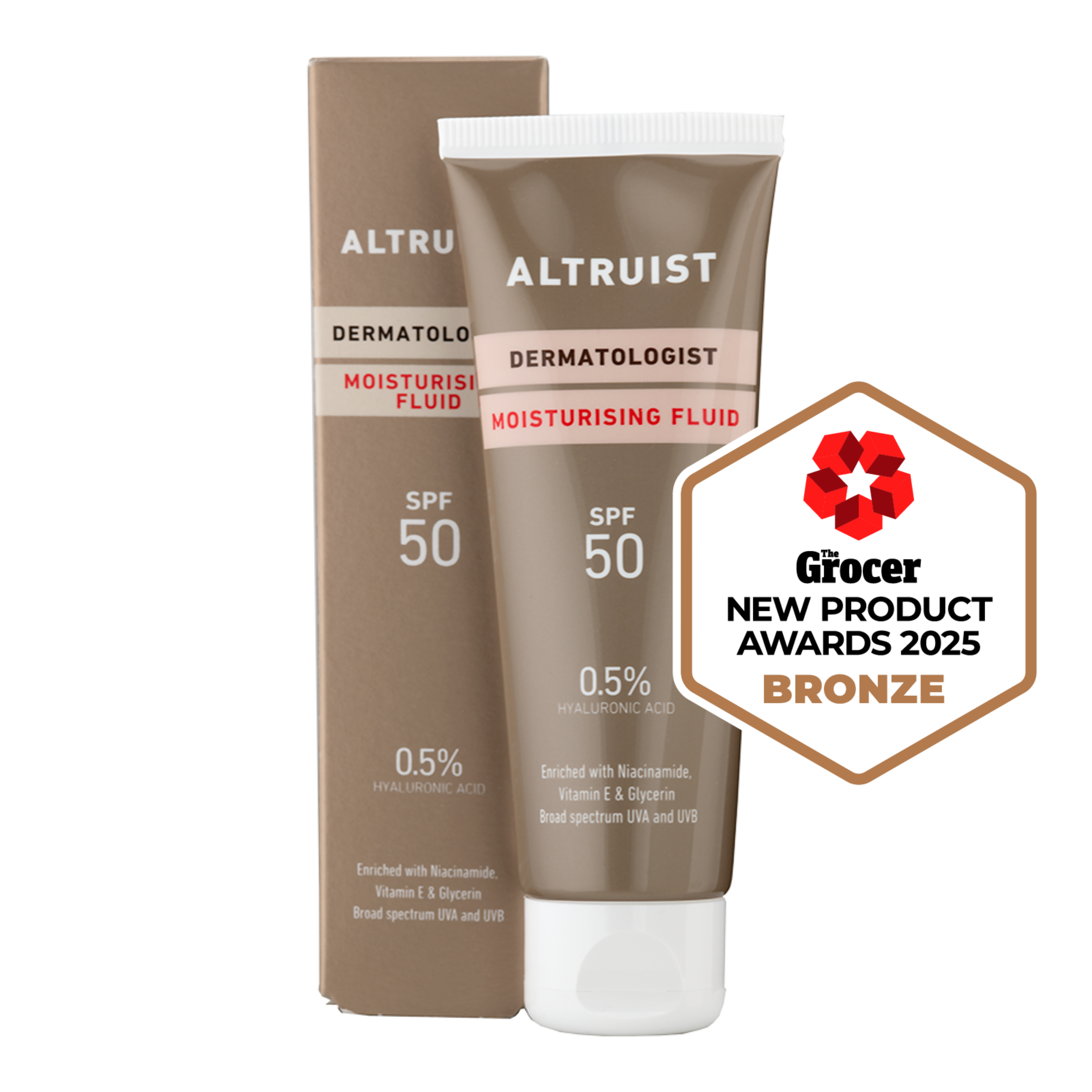
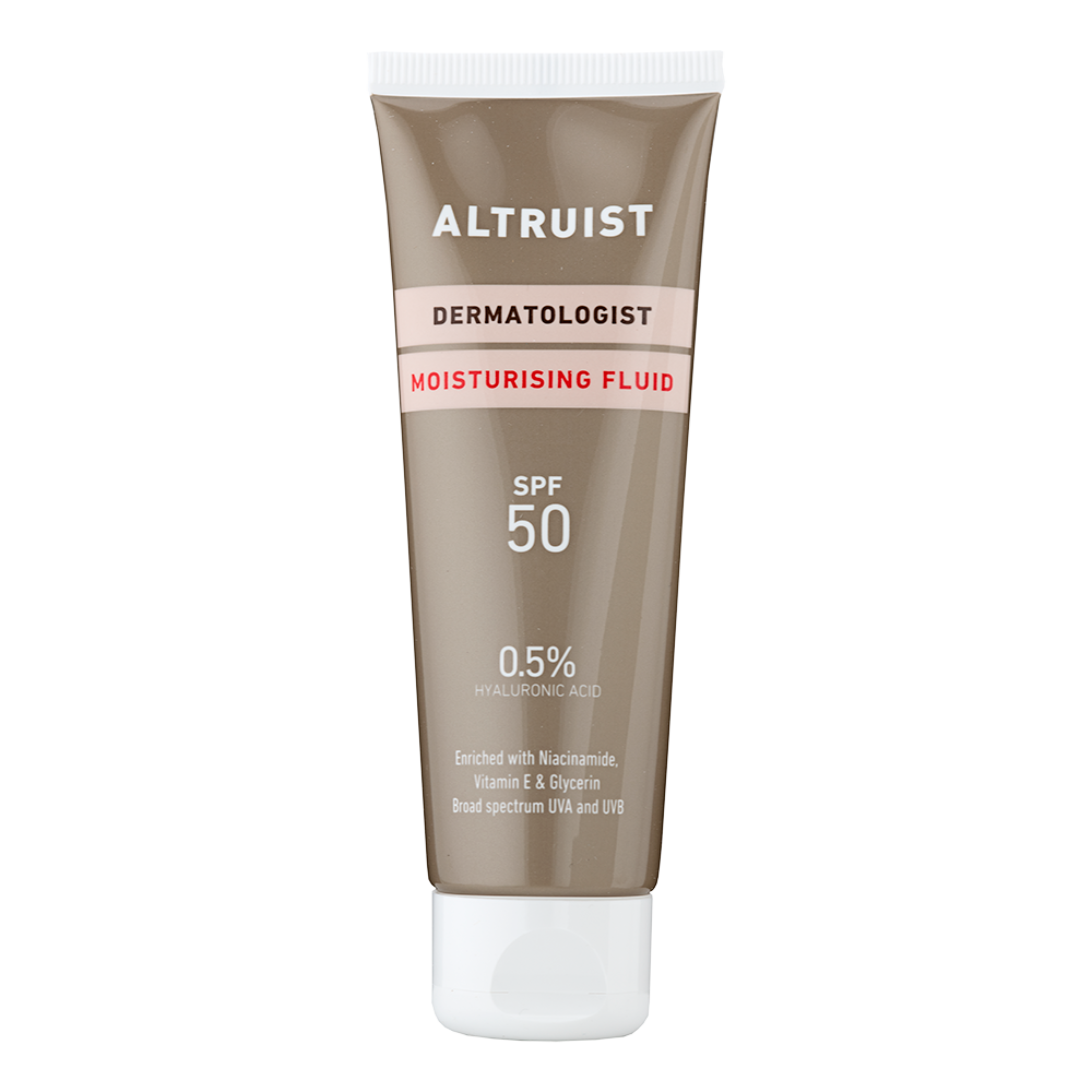
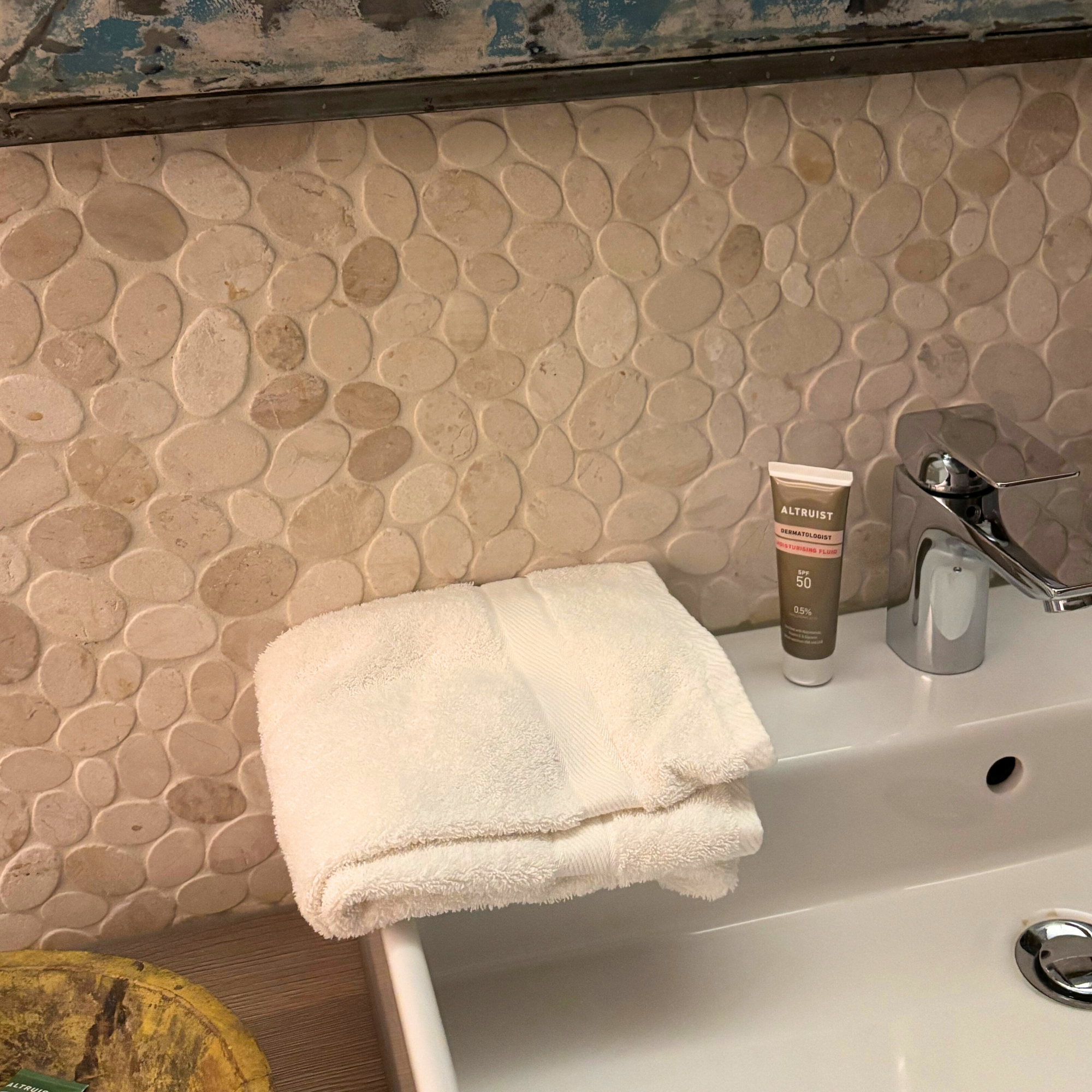
If you’re looking for a simple, everyday moisturiser to add to your routine, Altruist Moisturising Fluid is a lightweight option designed to keep the skin hydrated and moisturised.
Its non-greasy texture makes it easy to use both as a day and night cream, whether you apply it in the morning, evening, or whenever your skin needs an extra boost of moisture.
2. Extra care for your skin barrier
Your face isn’t the only thing that can feel the effects of summer. Your post-summer skin routine shouldn’t stop there. Your body deserves some attention too, especially if you’ve noticed dry, rough or flaky areas.
Legs, elbows, hands and feet can be particularly prone to dryness, so this is the perfect time to give them some extra nourishment. Rather than scrubbing away flaky skin, keep your routine gentle and reach for a richer cream to help leave your skin feeling soft.
The ingredients to look for include:

-
Lactic acid: An alpha hydroxy acid (AHA) that gently exfoliates the skin while also helping to retain moisture. It can help improve the look and feel of dry, rough skin.
-
Urea: A moisturising ingredient that helps attract and retain water in the skin, helping to keep dry skin feeling smoother, softer and more comfortable (Dr. Daniel Sugai, 2025).
3. Keep SPF in your routine
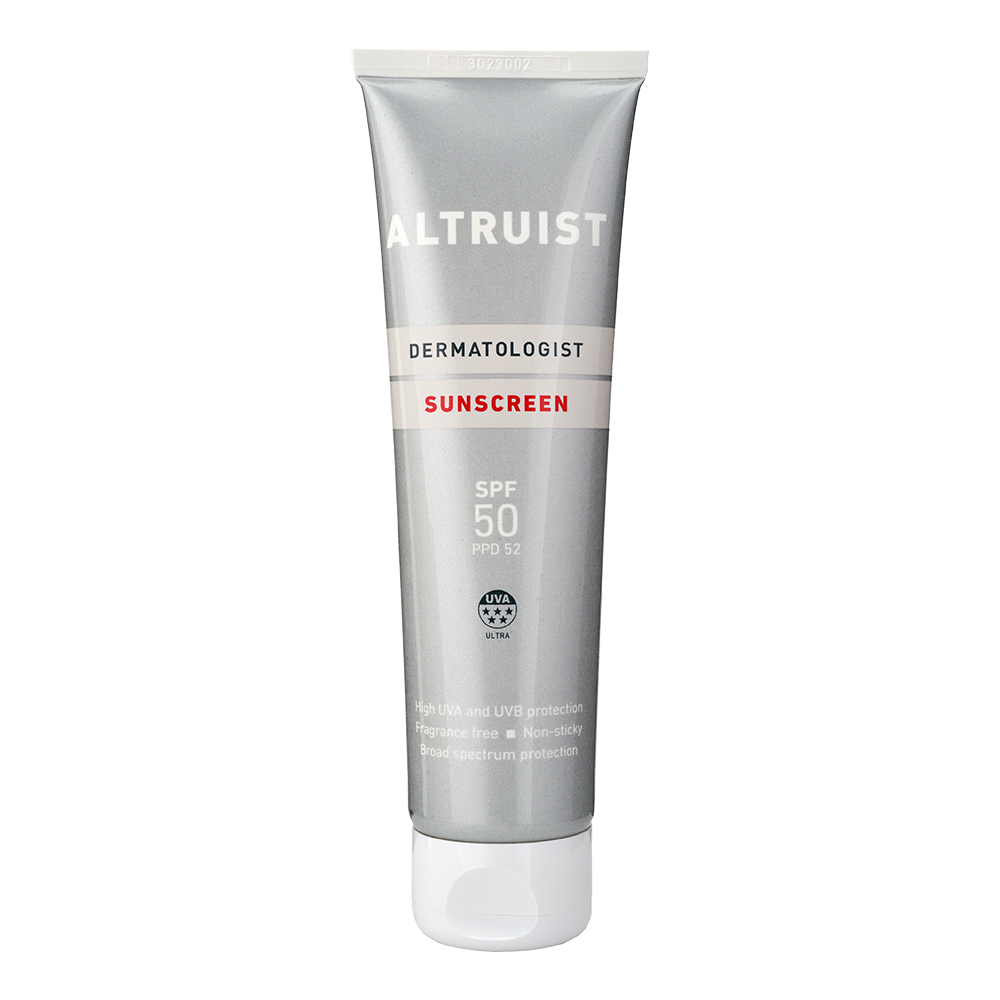
Summer may be over, but applying SPF should not be. After spending more time in the sun, it’s important not to drop sunscreen from your routine as soon as the holidays are over.
Even as the days become cooler and autumn approaches, you are still exposed to UVA rays when you’re outside. This is especially the case if you’re spending time outdoors, whether you’re commuting, walking the dog, or just simply enjoying a day outside. Keep SPF a part of your everyday routine before heading into the new season.
When choosing your daily SPF, you may also want to consider:
-
Broad-spectrum protection: Look for protection against both UVA and UVB rays.
-
SPF30 or higher: Choose at least SPF30 for everyday use.
-
Non-comedogenic: If your skin is prone to congestion or breakouts, a non-comedogenic formula may be a useful option.
-
Fragrance-free: If your skin is sensitive, a fragrance-free formula may be worth considering.
Reapply when needed, particularly if you’re spending longer periods outdoors.
Our SPF pick
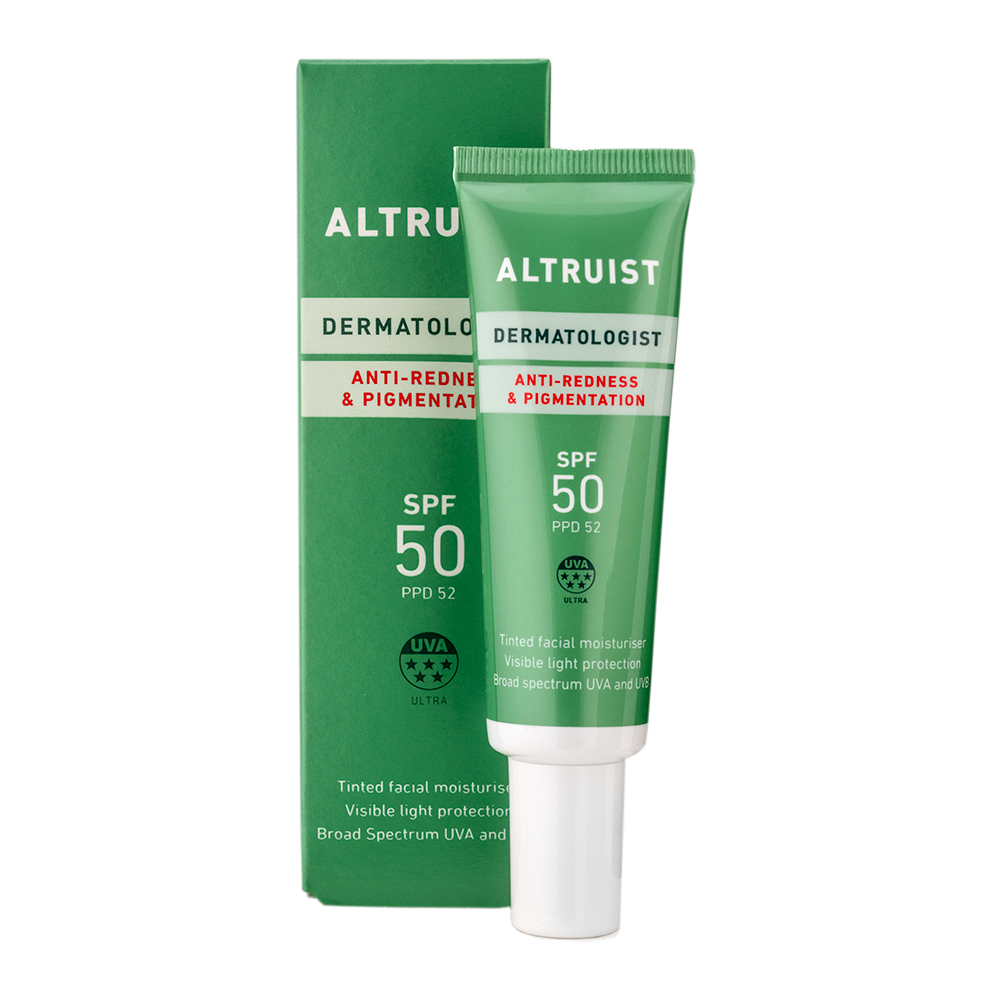
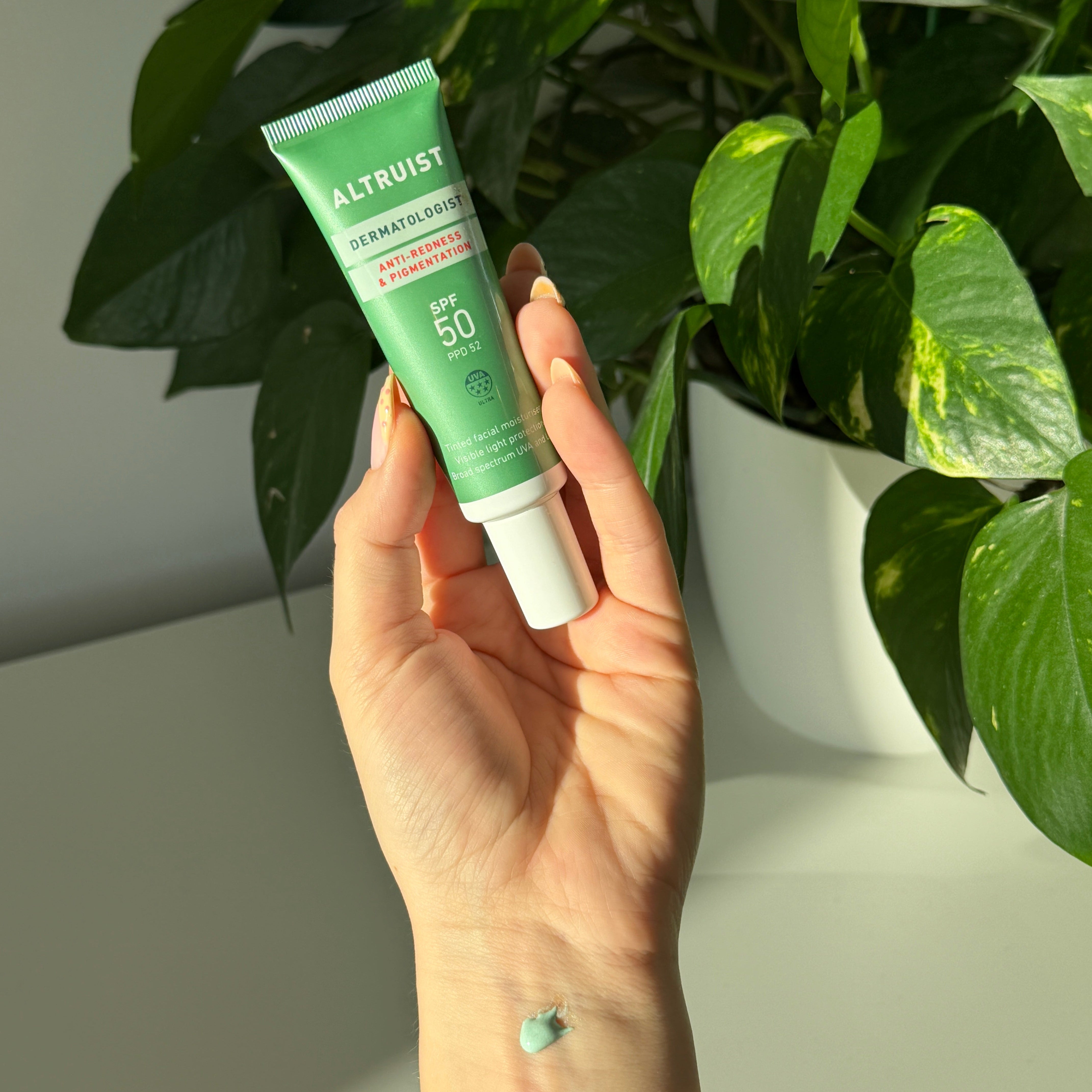
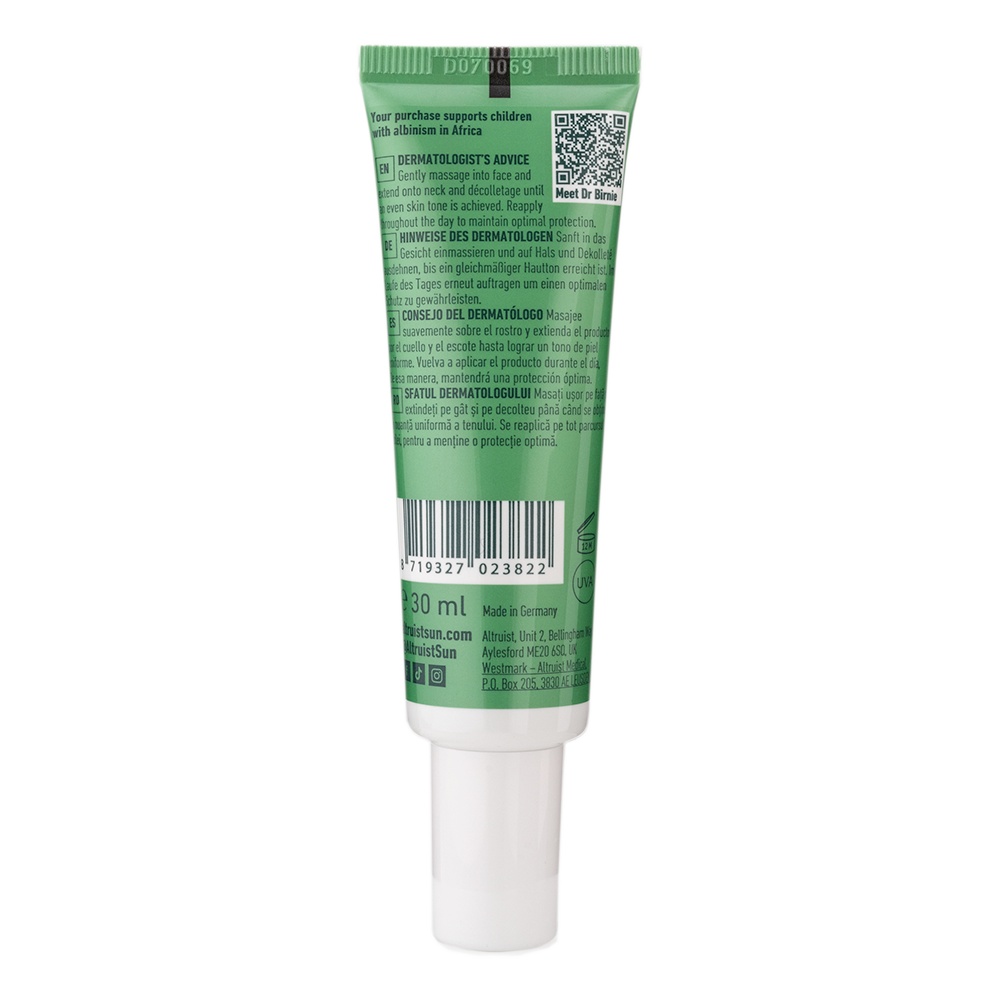
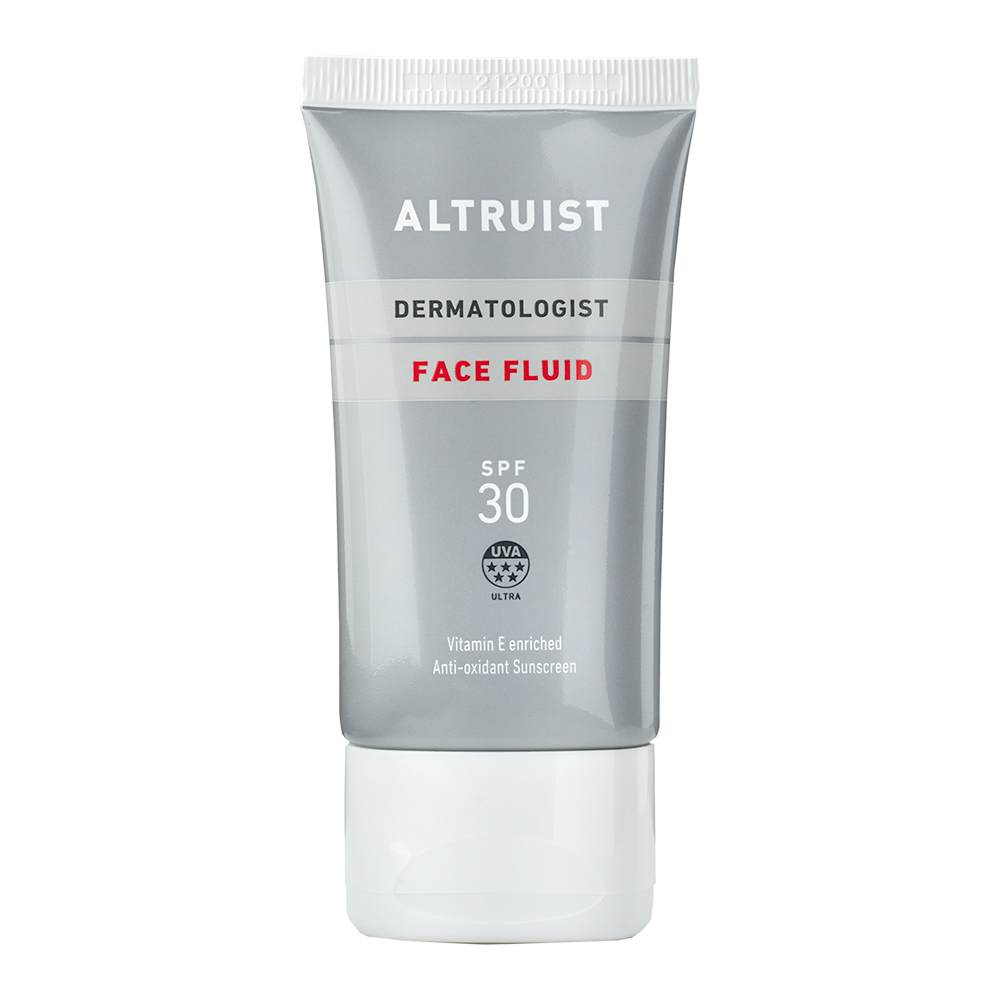
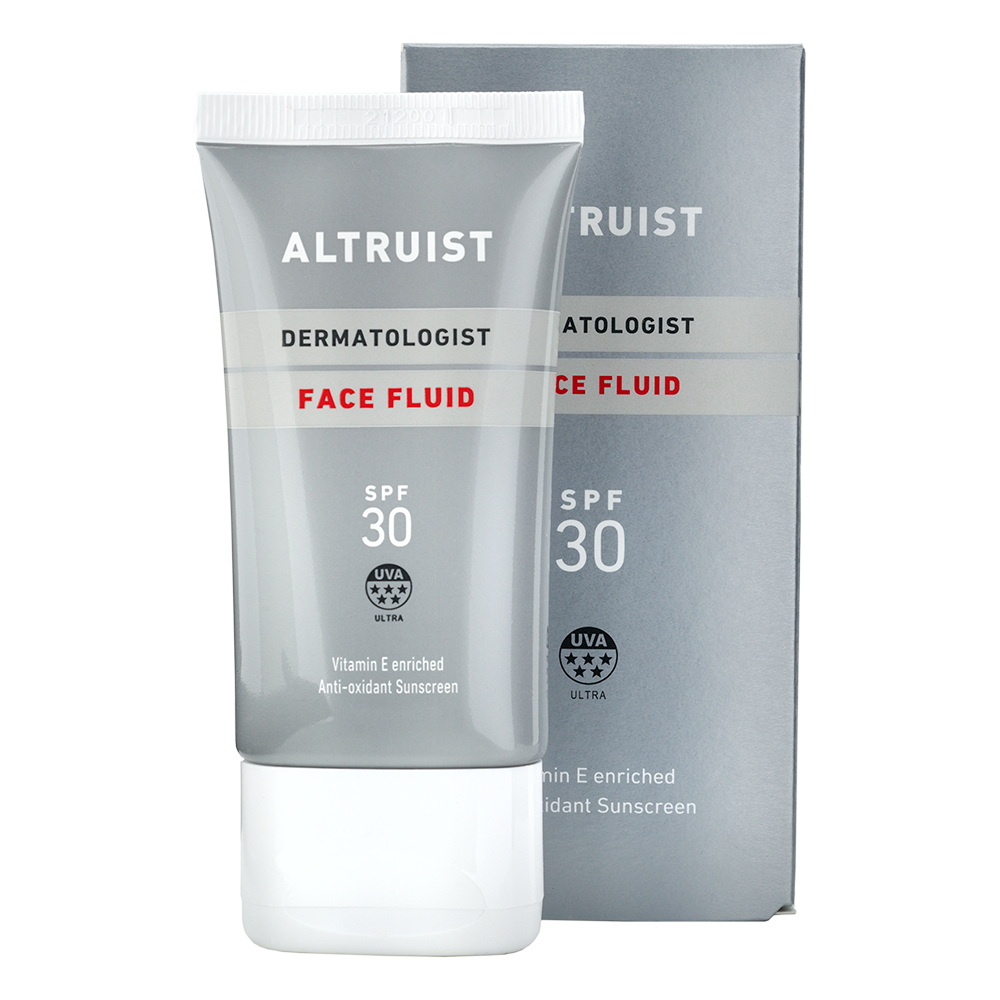
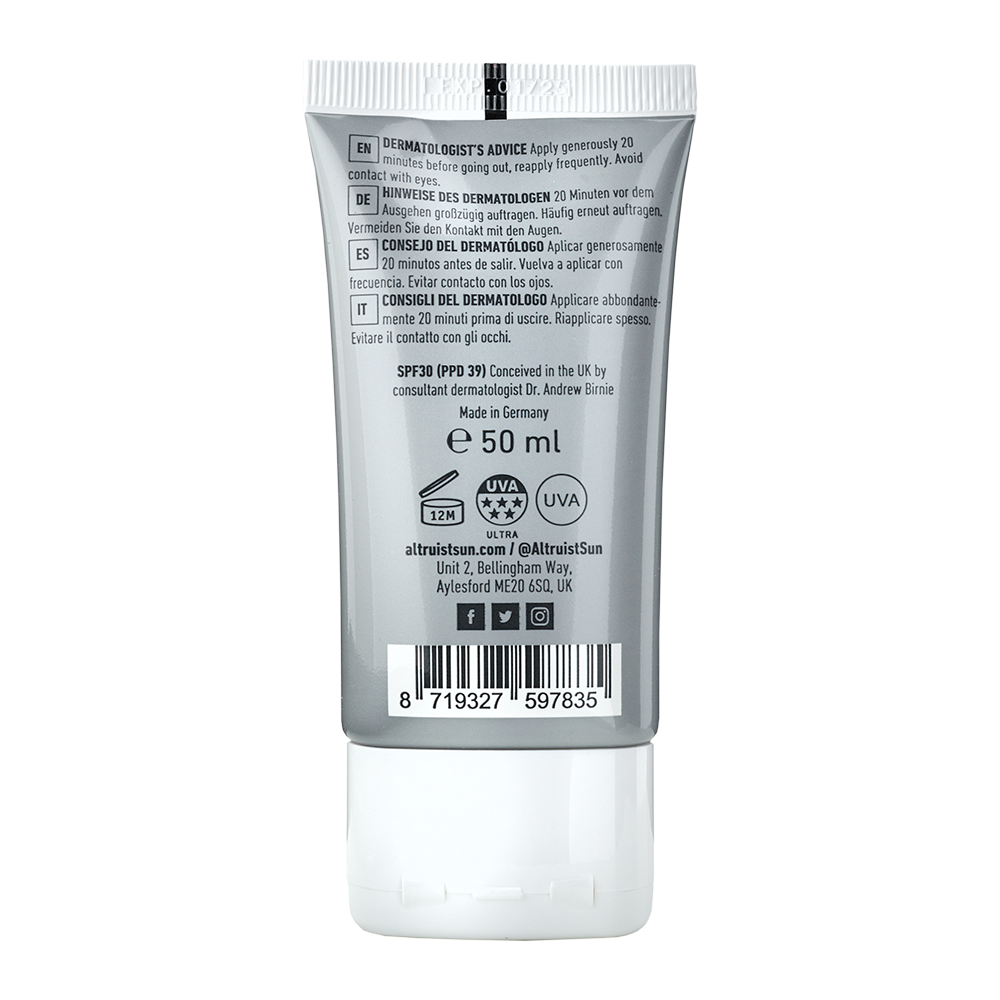
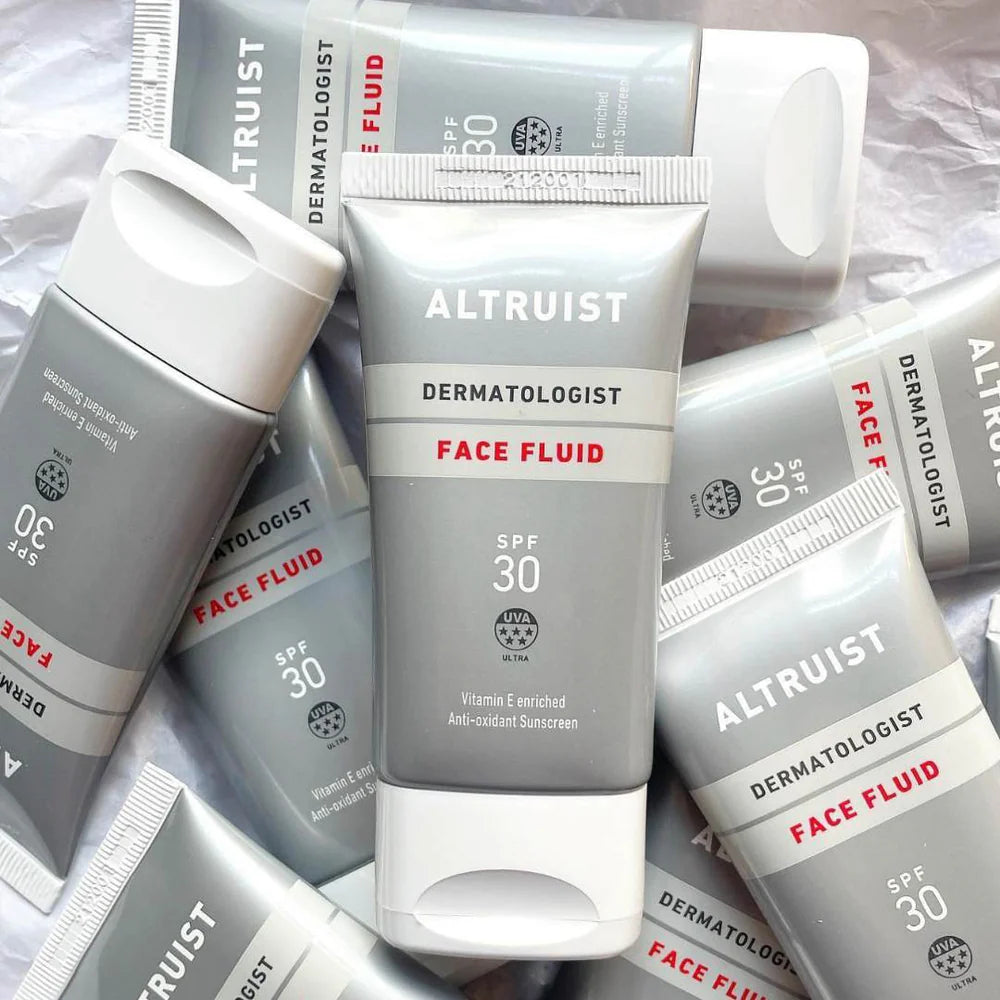
For your face, the Altruist Face Fluid SPF50 is an easy addition to your daily routine. It fits easily into your bag, and provides broad-spectrum SPF50 protection against UVA and UVB rays, with a lightweight, fast-absorbing and non-sticky formula. It also contains vitamin E and niacinamide to give an extra skincare boost and works well under makeup.
4. Reduce breakouts

Cleansing Foam with salicylic acid
The Altruist Cleansing Foam contains 2% salicylic acid and can be added to your routine if your skin is prone to congestion and breakouts. As a cleanser, it can help gently exfoliate the skin while cleansing and removing impurities.
Start gradually and adjust how often you use it depending on how your skin responds. If your skin becomes dry or irritated, reduce the frequency and focus on keeping the rest of your routine gentle and moisturising.
5. Reset your routine, but don't overdo it
After summer, it can be tempting to completely change your skincare routine. But more skincare doesn’t necessarily mean better skincare.
Instead of introducing lots of new products at once, start with the essentials and give your skin some time to adjust. A simple routine of cleansing, moisturising and protecting your skin can go a long way. With the right care, your skin can feel hydrated, comfortable and ready for whatever the new season brings.
Consulted references
-
American Academy of Dermatology Association. (2026, January 2). Dermatologists’ top tips for relieving dry skin. https://www.aad.org/public/everyday-care/skin-care-basics/dry/dermatologists-tips-relieve-dry-skin
-
MDCS. (2026, August 26). Best Post-Summer Skincare Routine: Dermatologist guide. Dermatologists Located in Manhattan, Hampton Bays, Commack, Plainview, West Islip, & Smithtown, New York and Clifton, Marlboro, and Englewood, New Jersey | MDCS Dermatology: Medical Dermatology and Cosmetic Surgery. https://www.mdcsnyc.com/post/best-post-summer-skincare-routine-dermatologist-guide
-
Dr. Daniel Sugai. (2025, October 4). Dermatologist’s Top 5 tips for dry skin | How to fix dry, flaky skin fast [Video]. YouTube. https://www.youtube.com/watch?v=kYCsZWz3xAk


What Is PPD, and Why Does It Matter More Than SPF alone?