


Anti-Rötungen & Pigmentierung LEICHT LSF50 30ml
4.61 342 reviewsSehr hoher UVA-Schutz mit leichter, rötungsneutralisierender Abdeckung.
In stock and ready to ship
Description
Sehr hoher UVA-Schutz mit leichter, rötungsneutralisierender Abdeckung.
Entwickelt vom beratenden Dermatologen Dr. Andrew Birnie, ist Altruist Anti-Redness & Pigmentation Light LSF50 eine getönte tägliche Gesichts-Sonnencreme, die für zu Rötungen neigende, empfindliche und helle Haut entwickelt wurde.
Diese leichtere Formulierung bietet LSF50 mit 5-Sterne-UVA-Schutz (PPD 52) und hilft gleichzeitig, Rötungen sofort zu neutralisieren und vor Pigmentierung und vorzeitiger Hautalterung zu schützen.
Die atmungsaktive, parfümfreie Formel lässt sich mühelos verblenden und bietet eine leichtere Farbe und ein angenehmes Gefühl, ideal für den täglichen Gebrauch. Eisenoxide bieten sichtbaren Lichtschutz und ein natürliches, ebenmäßiges Finish – ohne Schweregefühl oder Irritationen.
Von Dermatologen geleitet. Für empfindliche Haut geeignet. Ethisch motiviert.
- Hypoallergen
- Nicht komedogen
- Ohne Duftstoffe und Parabene
- Wasserfest
- Für alle Hauttypen geeignet
Dermatologist’s advice
Benefits
Ingredients (INCI)

Good to know
Two kinds of UV. One tube.
SPF only measures protection against UVB. That’s why you need a broad-spectrum sunscreen: one with both a high SPF (UVB) and a high PPD (UVA).
B for Burning
Causes sunburn, varies with season and location, and increases the risk of skin cancer. Expressed as SPF: SPF 50 filters 98.3% of UVB.
A for Ageing
Responsible for skin ageing and deeper skin damage. Present all year round and passes through glass. Expressed as PPD.
How to use
Apply it the way Dr Birnie advises
How much do you need?
Also: avoid direct sunlight between 11:00 and 15:00, wear clothing, a wide-brimmed hat and sunglasses. Babies should not be exposed to the sun.
Ingredients
Key active ingredients
Show full ingredient list
The dermatologist behind it
“Sunscreens should be easy to apply, leave no residue and feel like a moisturising cream. They also need to be affordable, so they can be applied generously.”
Altruist was founded in 2015 by dermatologist Dr Andrew Birnie and Dutch economist David Westerbeek van Eerten. They developed the products in their spare time to keep costs low, and pass that saving on in the price.
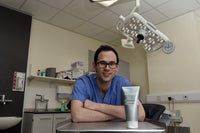 Dr. Andrew BirnieConsultant dermatologist & dermatological surgeon
Altruism
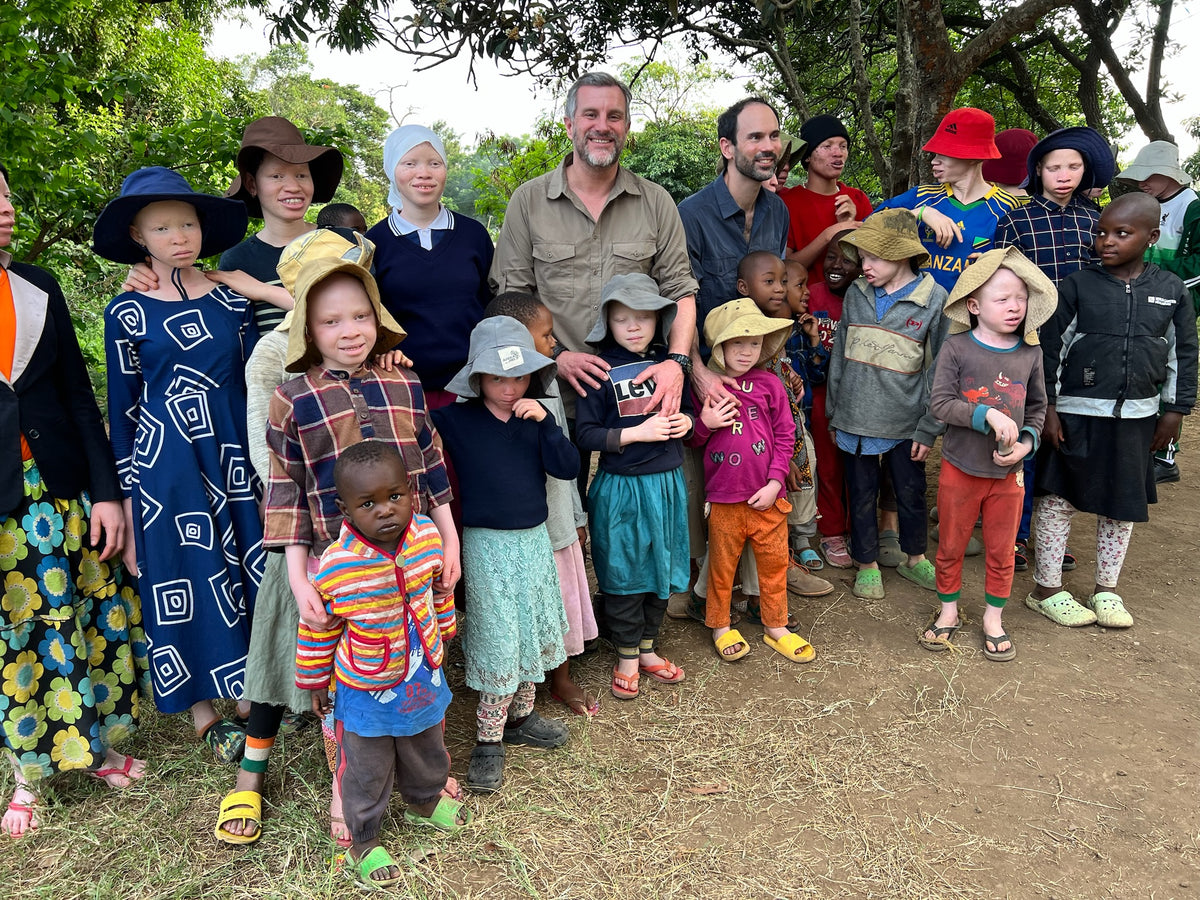
Your sunscreen protects someone else too
Since Altruist was founded, 10p from every product sold has gone to sunscreen for children with albinism in Africa, together with Under The Same Sun, Standing Voice and Stichting Afrikaanse Albino’s.
£1.4m+ in sunscreen donated
How we helpQuestions
Frequently asked questions
Answered by Dr Andrew Birnie and the Altruist team.
More questions? Visit our FAQWhich skin tone is the Light version for?
The Light version was developed for fair skin that reddens easily. Do you have a light to medium skin tone? Then the regular Anti-Redness & Pigmentation SPF50 often suits you better.
What does protection against visible light mean?
The iron oxides in the formula also protect against visible light. This light can worsen pigmentation, especially in melasma.
When do I apply it?
Use it as the last step of your morning routine, after your serum and day cream. Massage it in until the colour is even, and reapply during the day.
How much sunscreen should I use?
To get the protection stated on the pack, you need 2 mg per cm² of skin. That is roughly one teaspoon per body part and a shot glass for the whole body. In practice, most people apply only half that amount.
Weiterlesen: How much sunscreen do you need? A complete guide for face and body
How often should I reapply?
Reapply every two hours, and always after swimming, exercising or towel-drying. Even a water-resistant sunscreen loses some of its protection in the water.
What does PPD 52 mean?
PPD shows how well a sunscreen protects against UVA radiation, which causes skin ageing and pigmentation. In Europe this value must be at least one third of the SPF. With PPD 52, the UVA protection of this product is well above that European minimum.
Weiterlesen: What Is PPD, and Why Does It Matter More Than SPF alone?
How long does the product keep?
Once opened, the product keeps for 12 months, as shown by the symbol on the packaging. Store it in a cool place, out of direct sunlight.
Weiterlesen: Wann läuft Sonnencreme ab und wie sollte man sie richtig aufbewahren?
Is Altruist tested on animals?
No. Animal testing for cosmetics is banned in the European Union, and our products have never been tested on animals.