Dermatologist-Developed Sunscreen for Every Skin Type
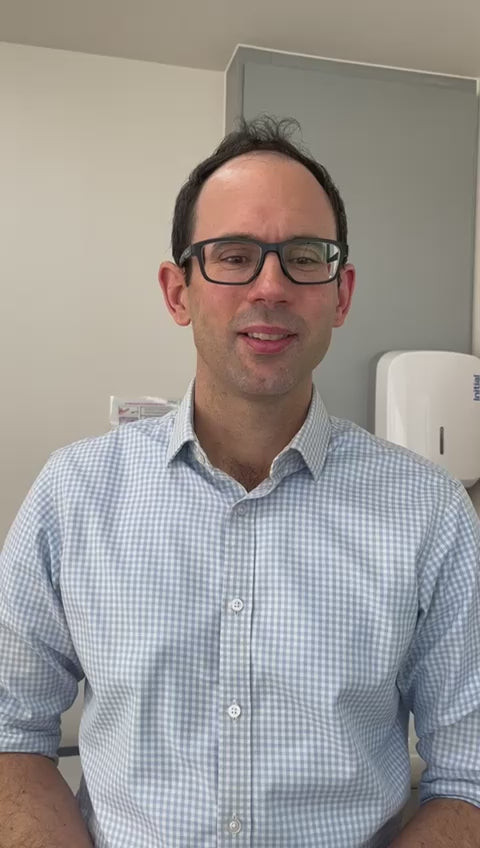
Dr. Andrew Birnie
"It is our mission to reduce the incidence of skin cancer through the increased use of quality sunscreen together with better education and awareness."
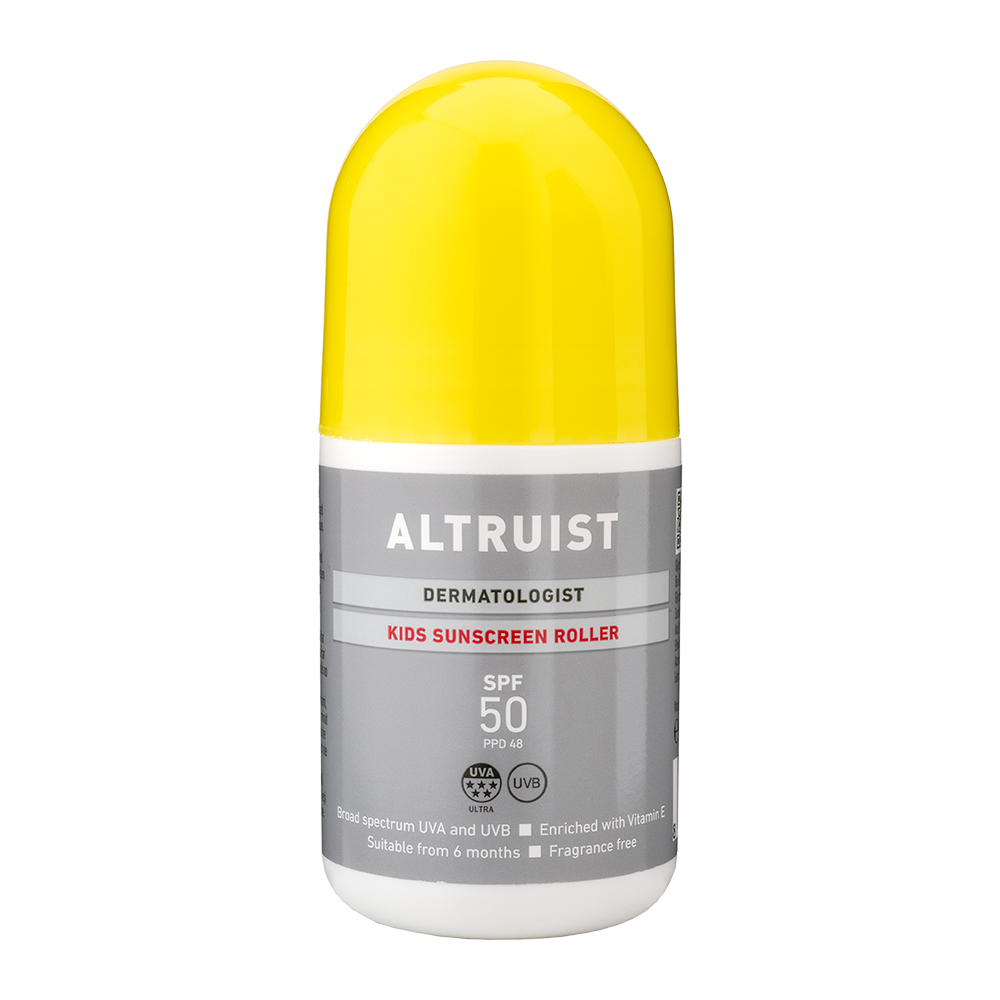
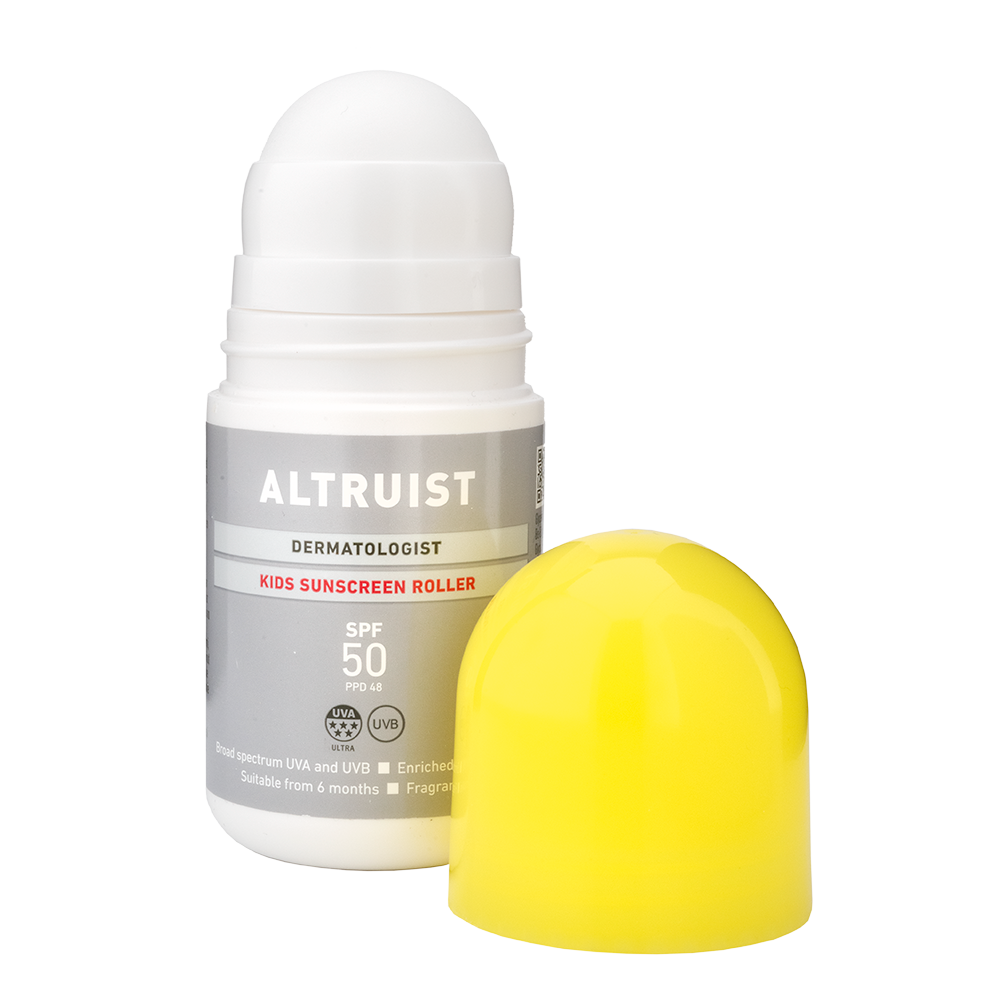
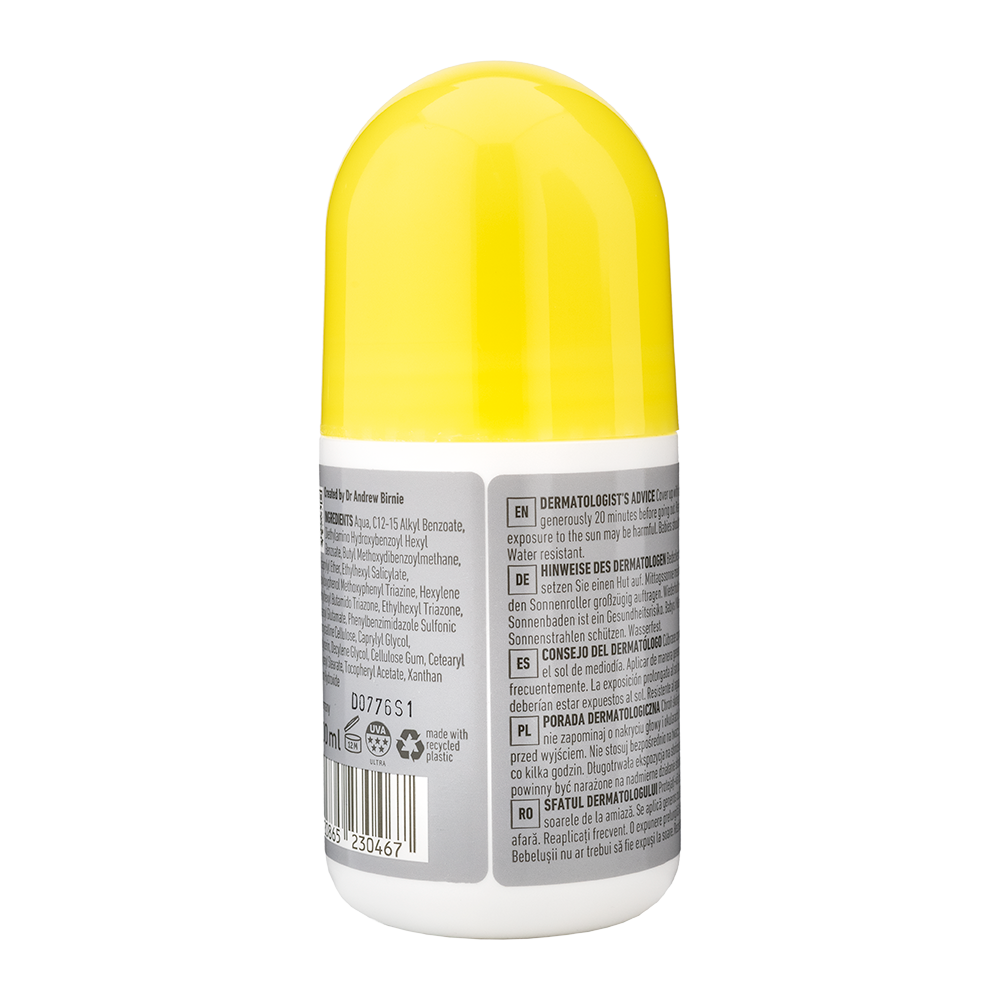
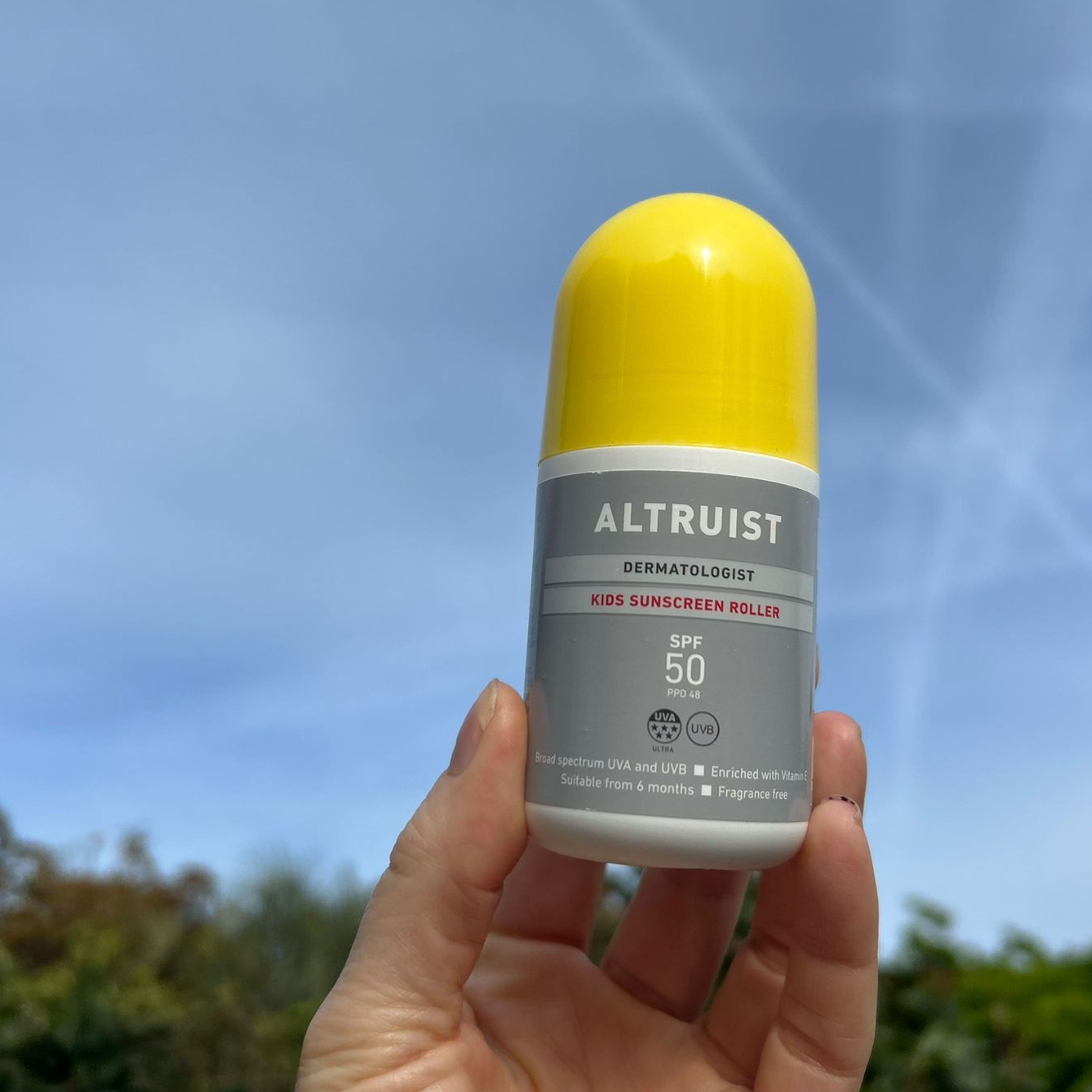
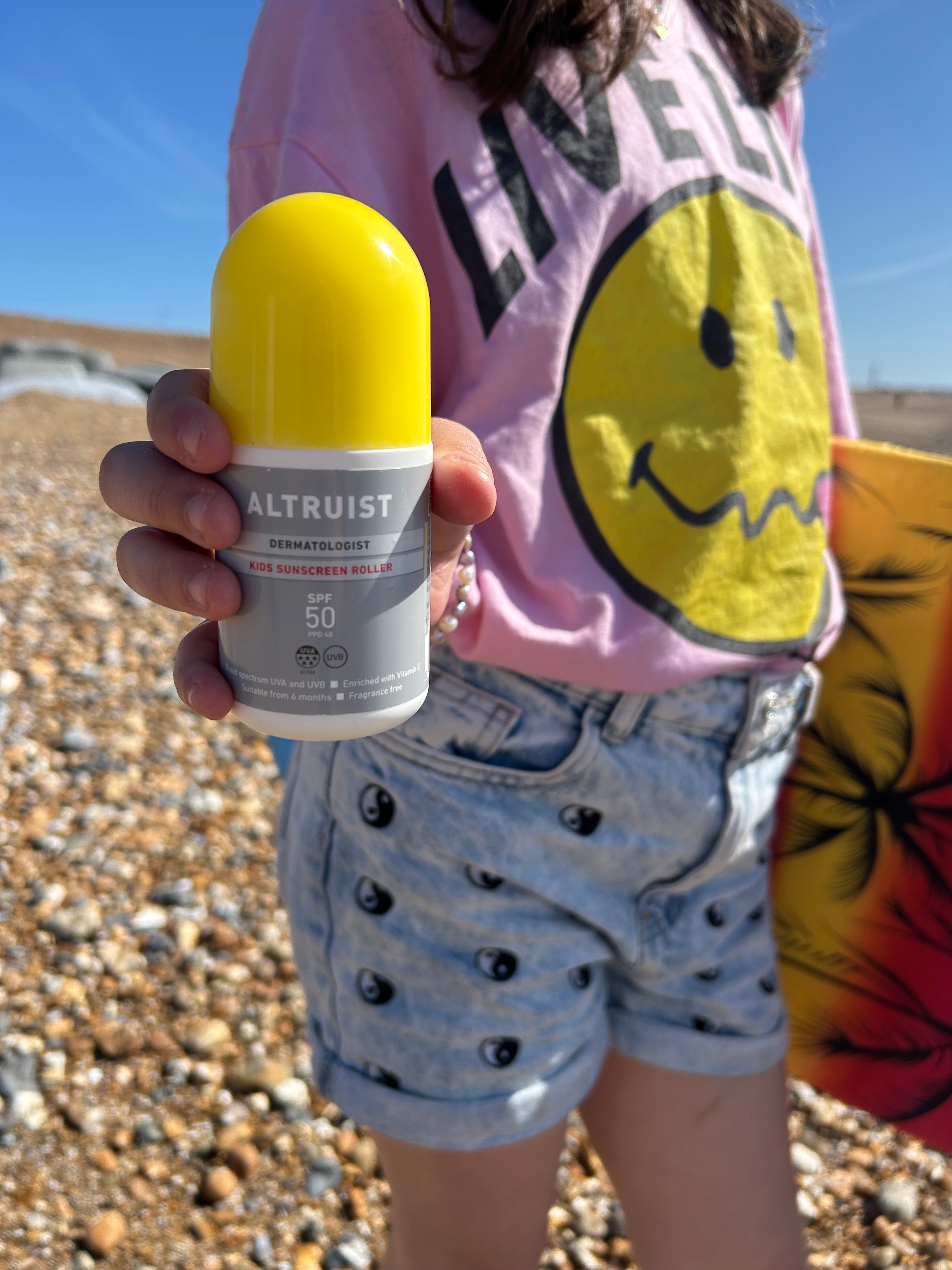

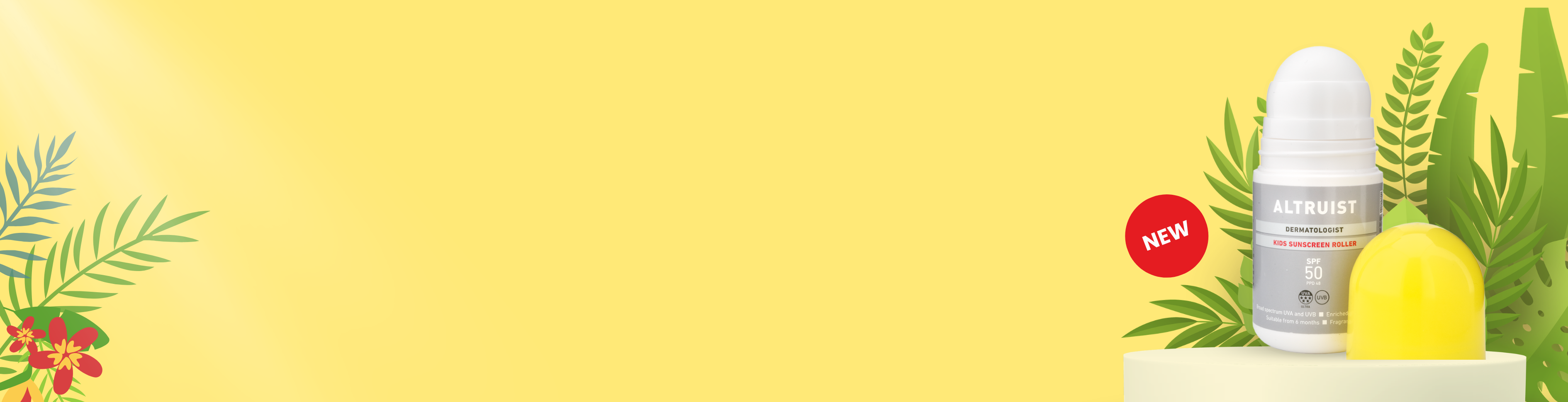
Kids Sunscreen Roller SPF50 - 100ml
Why choose Altruist sunscreen?
Altruist was founded by consultant dermatologist and skin cancer specialist Dr. Andrew Birnie, with a clear mission: to make high-quality sun protection accessible to everyone. Every product offers broad-spectrum protection against both UVA and UVB rays, with a 5-star UVA rating, indicating the highest available in Europe.
Broad-spectrum protection (UVA+UVB)
Our sunscreens contain broad-spectrum UVA & UVB protection, with 5 Star rating, exceeding EU standards.
Suitable for sensitive and acne-prone skin
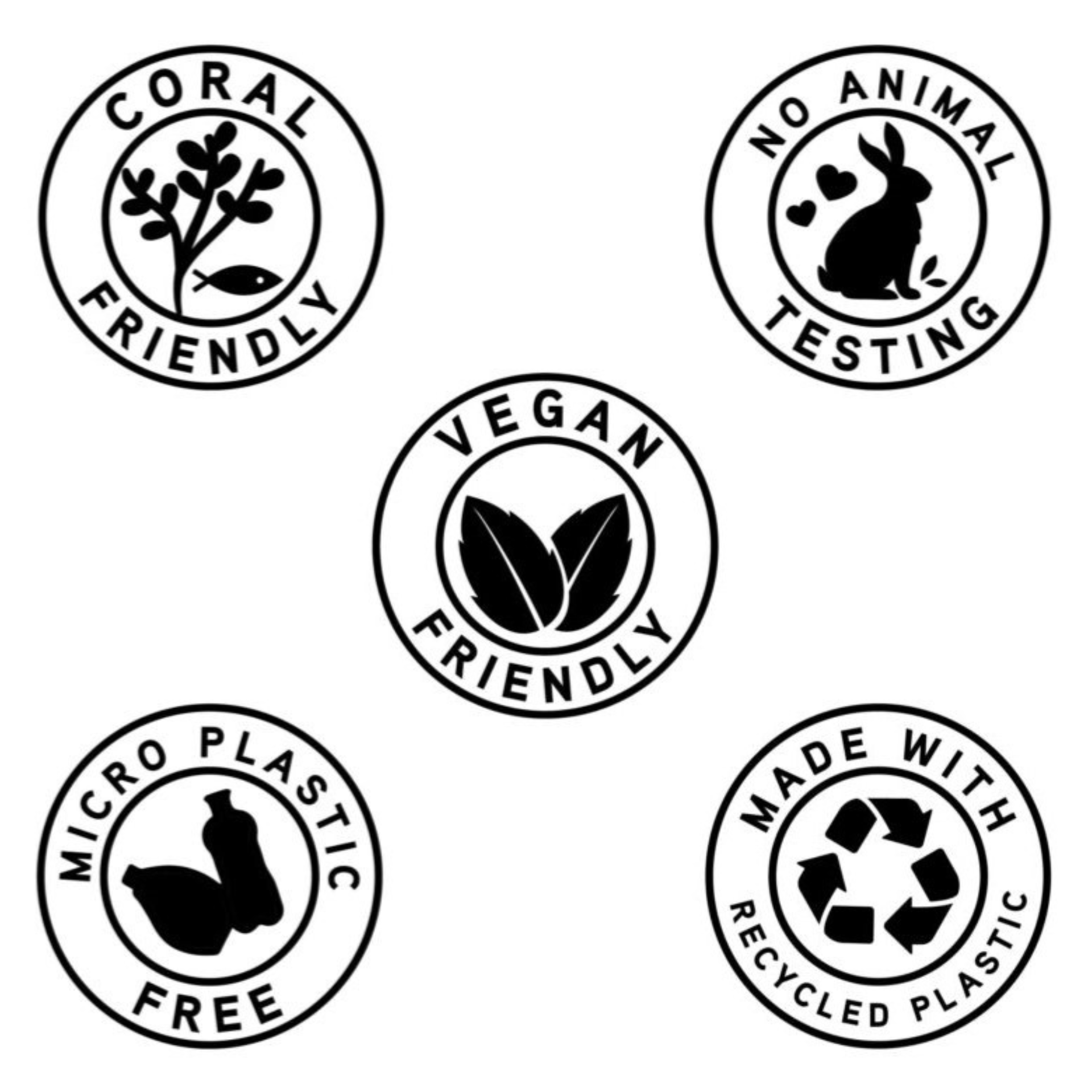
All Altruist sunscreens are hypoallergenic, non-comedogenic, fragrance-free, and free of microplastics.
Sunscreen with a purpose
For every Altruist product sold, 10p worth of sunscreen is donated to children with albinism in Africa, where access to sun protection can be lifesaving. Better skin health, for everyone.
Bestsellers
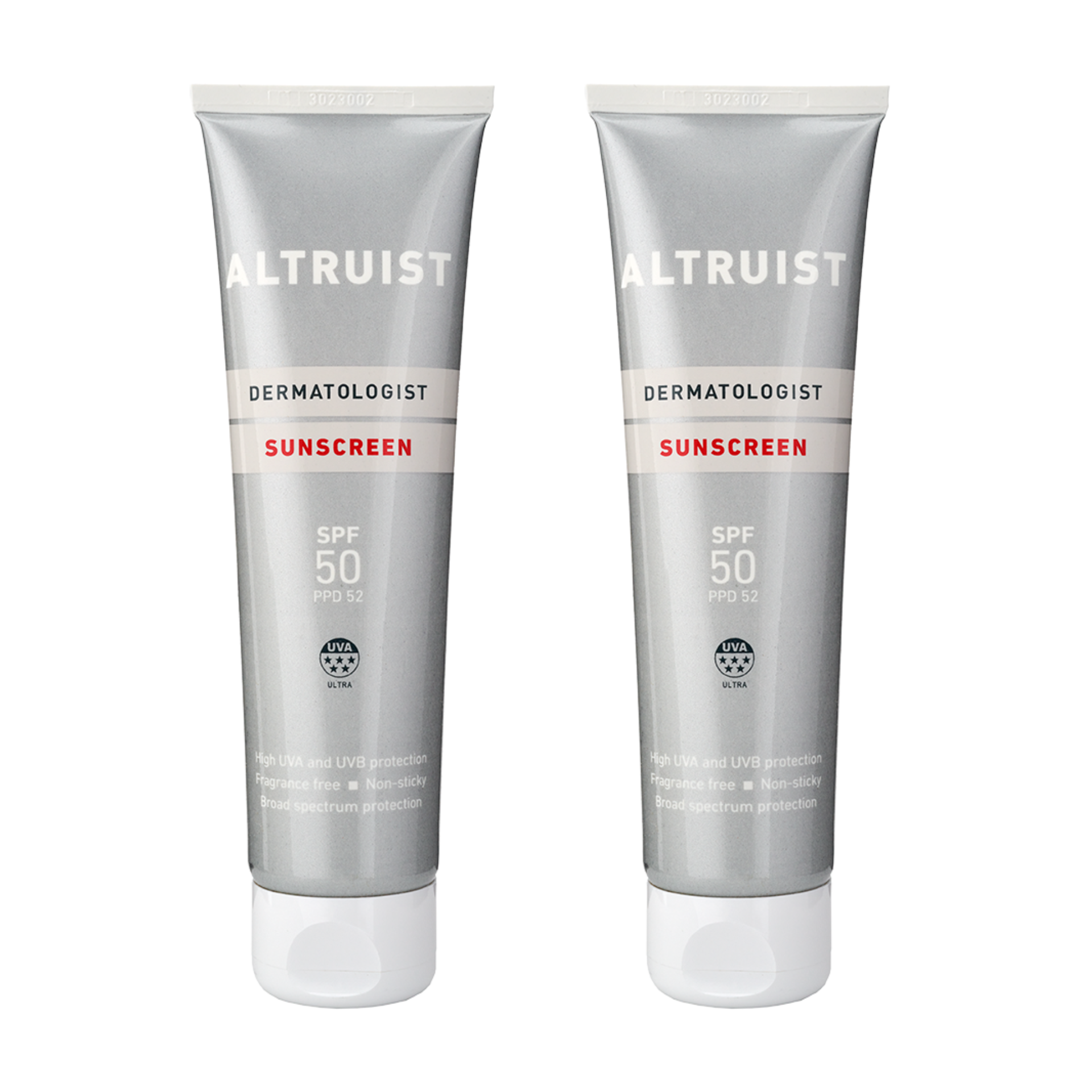
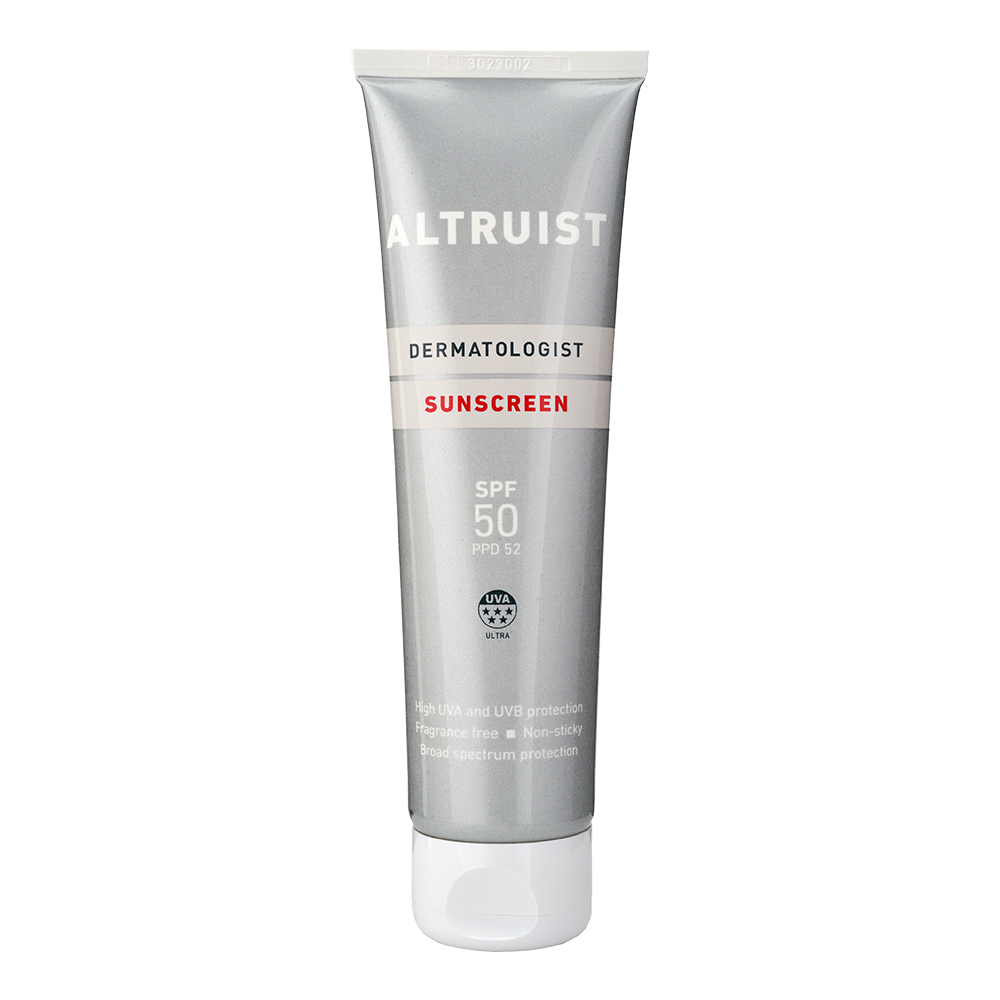
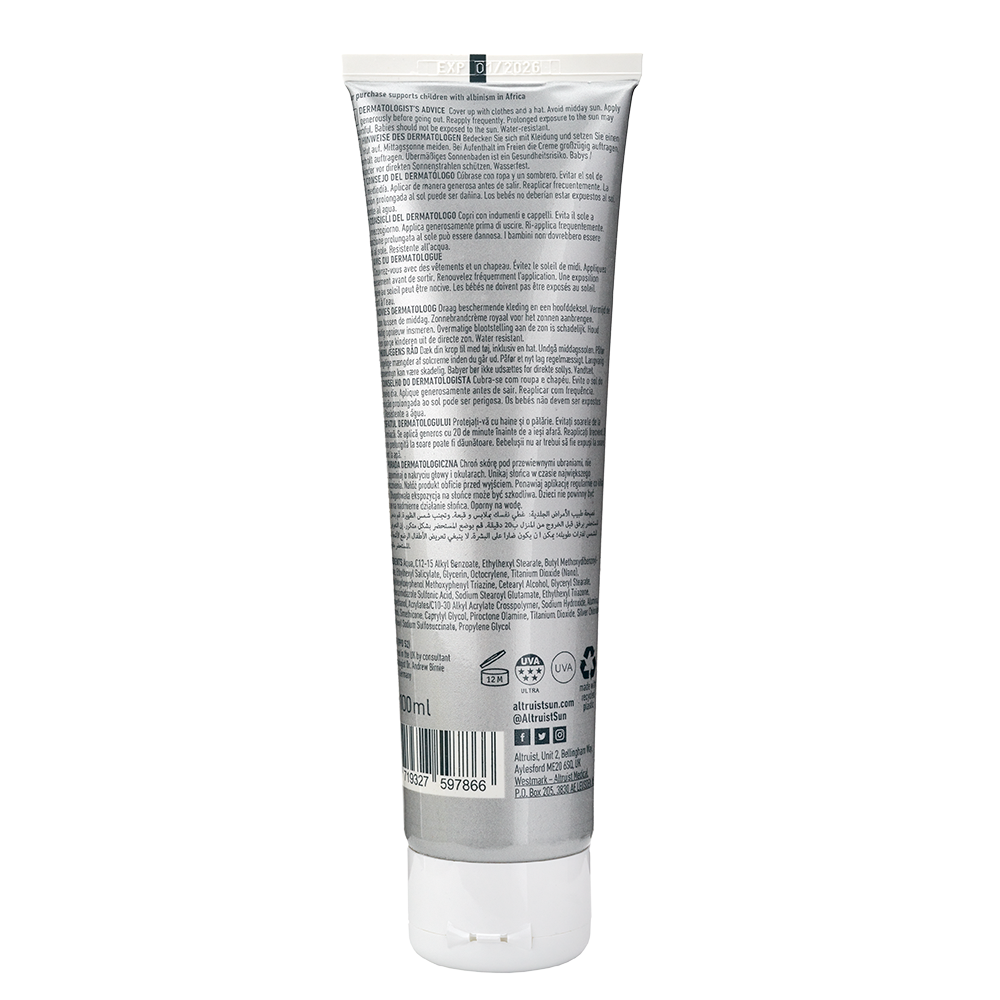
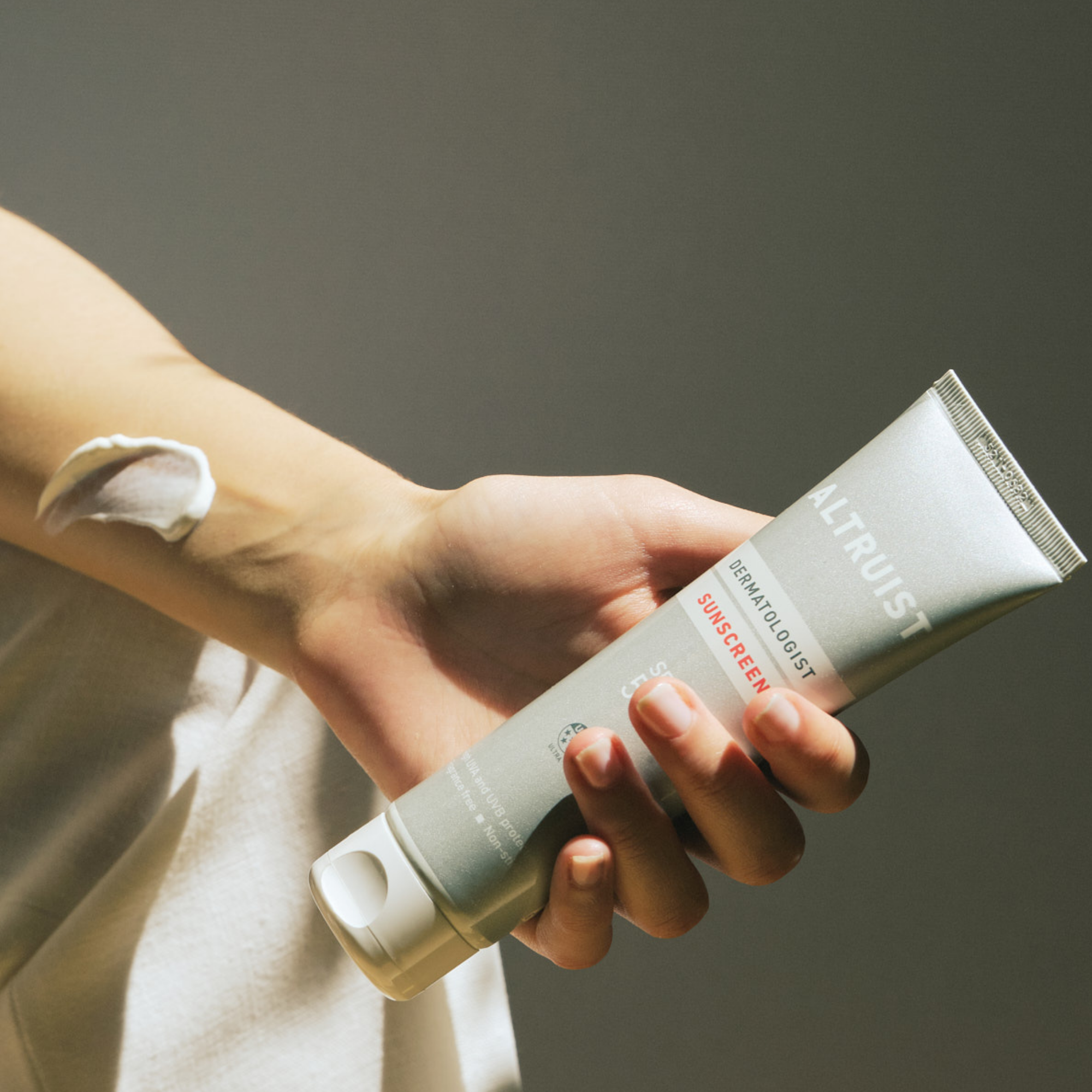
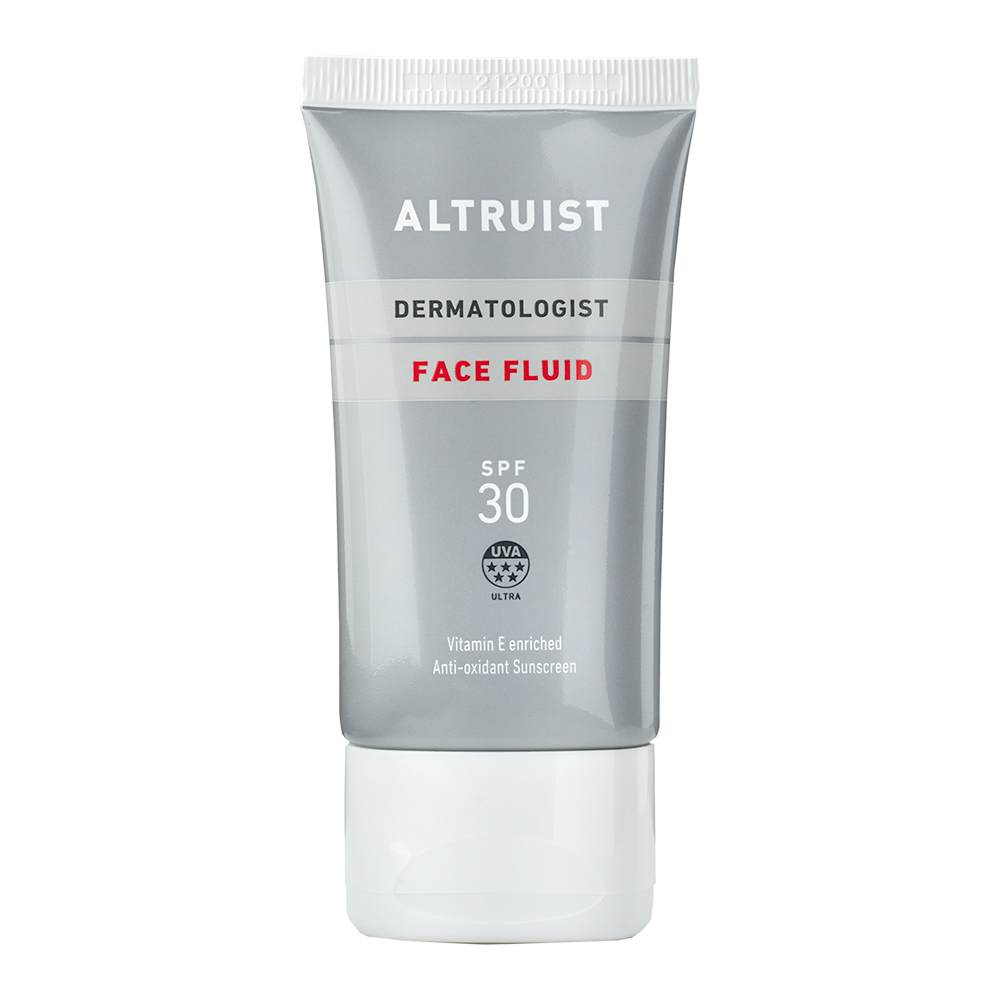
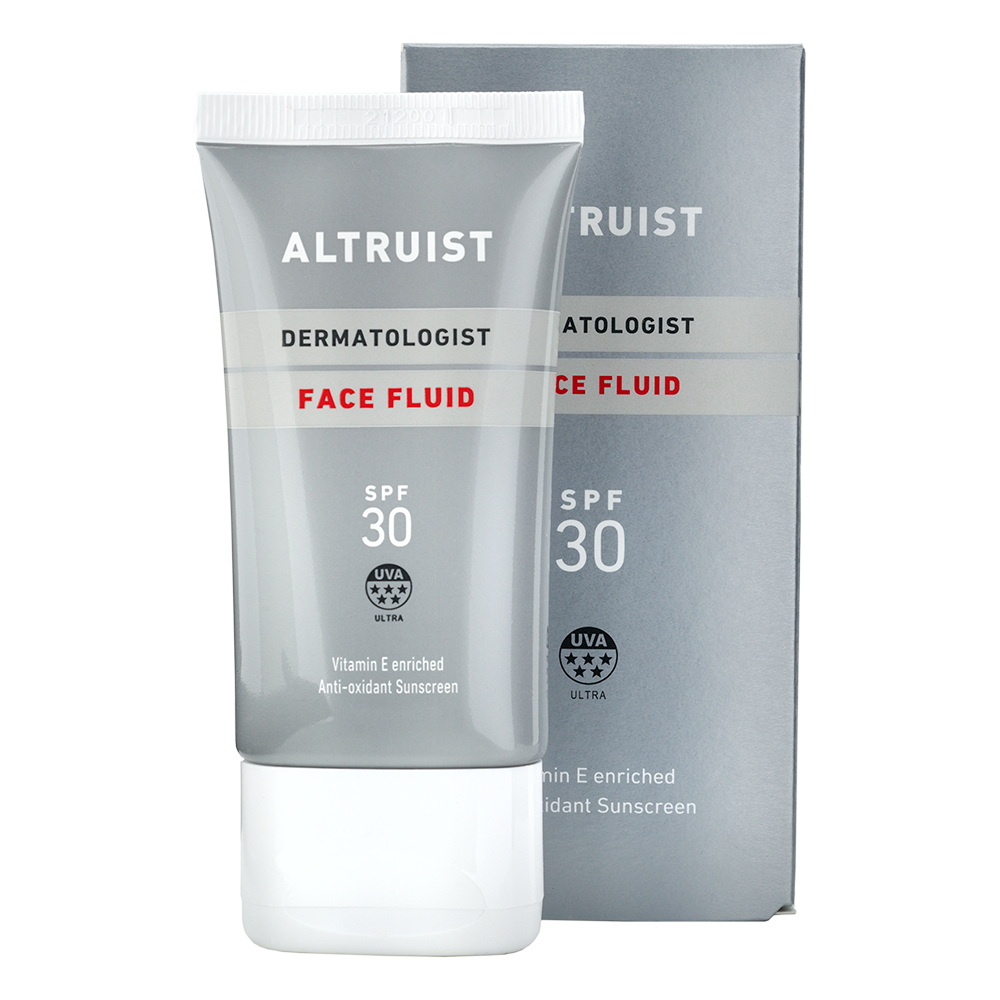
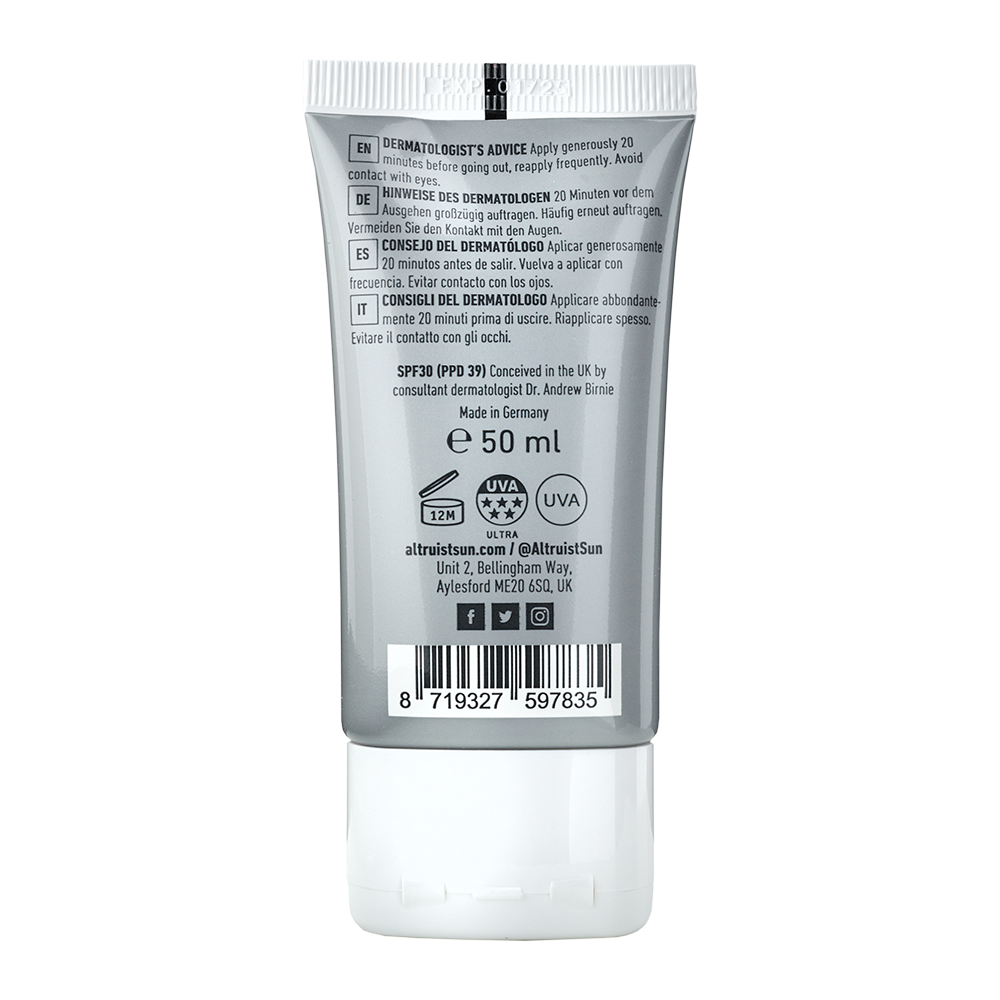
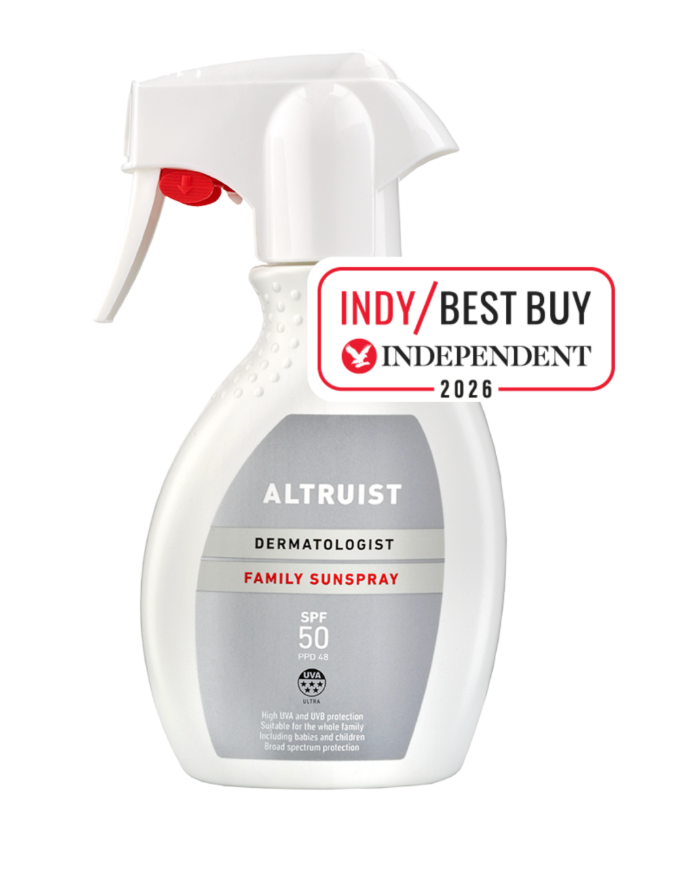
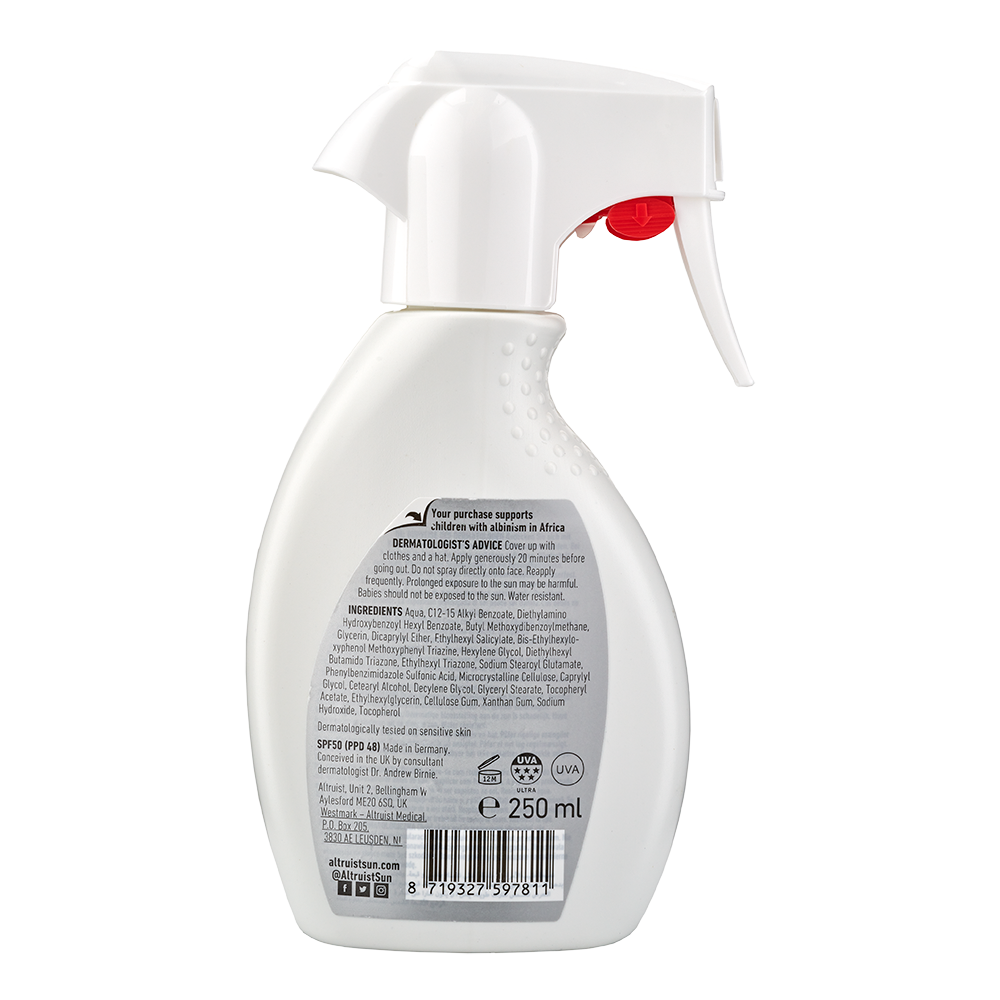

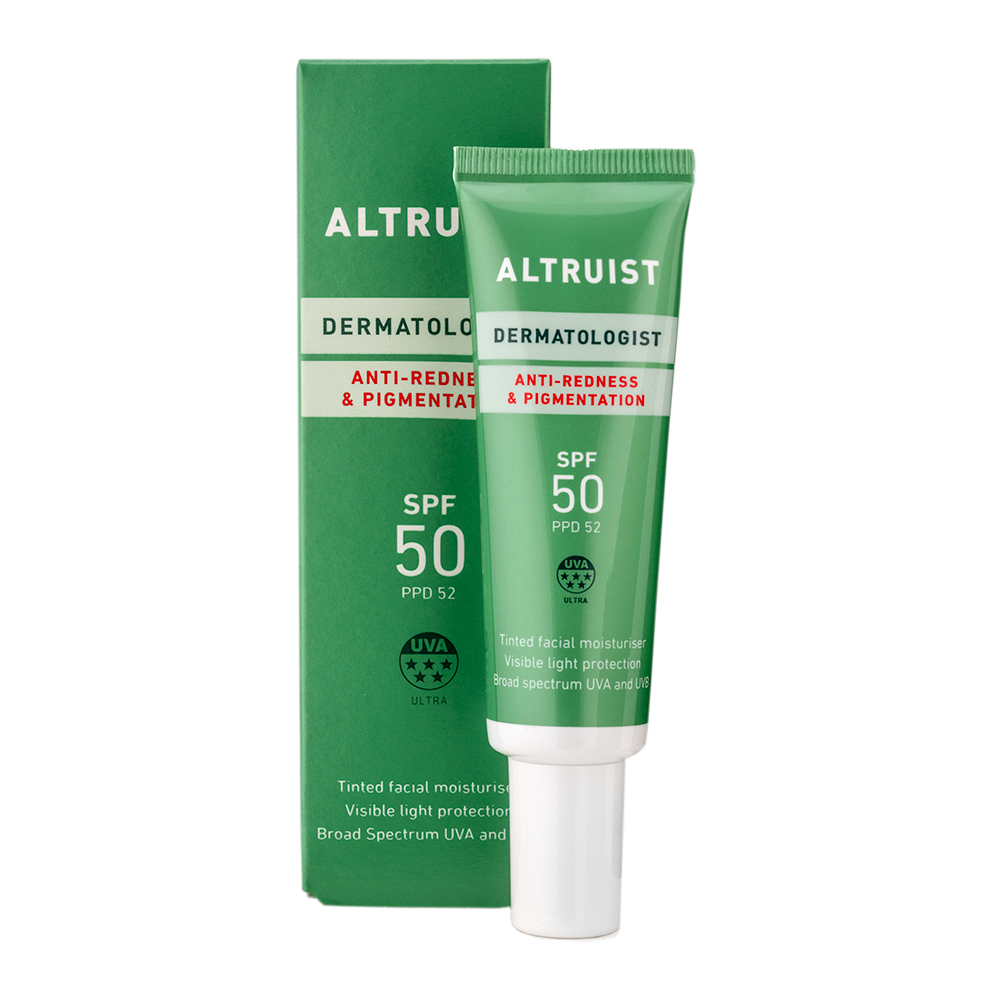

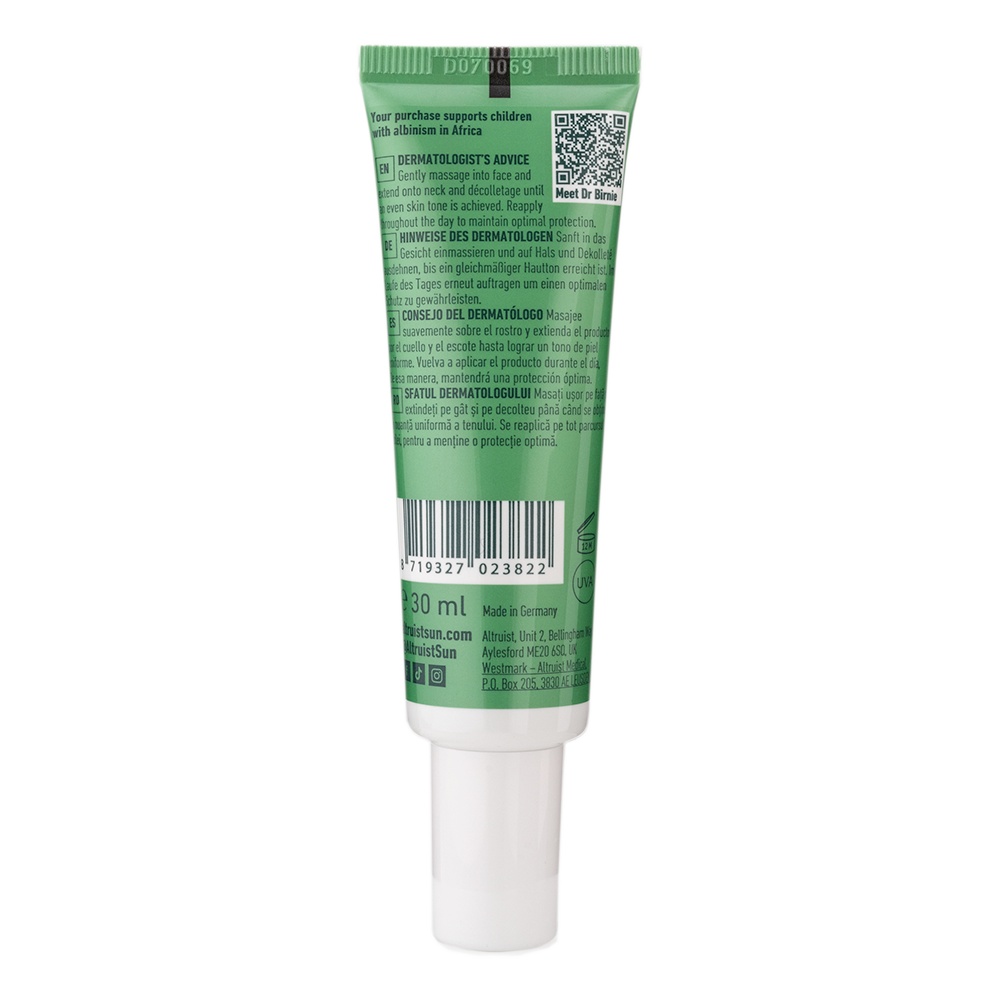
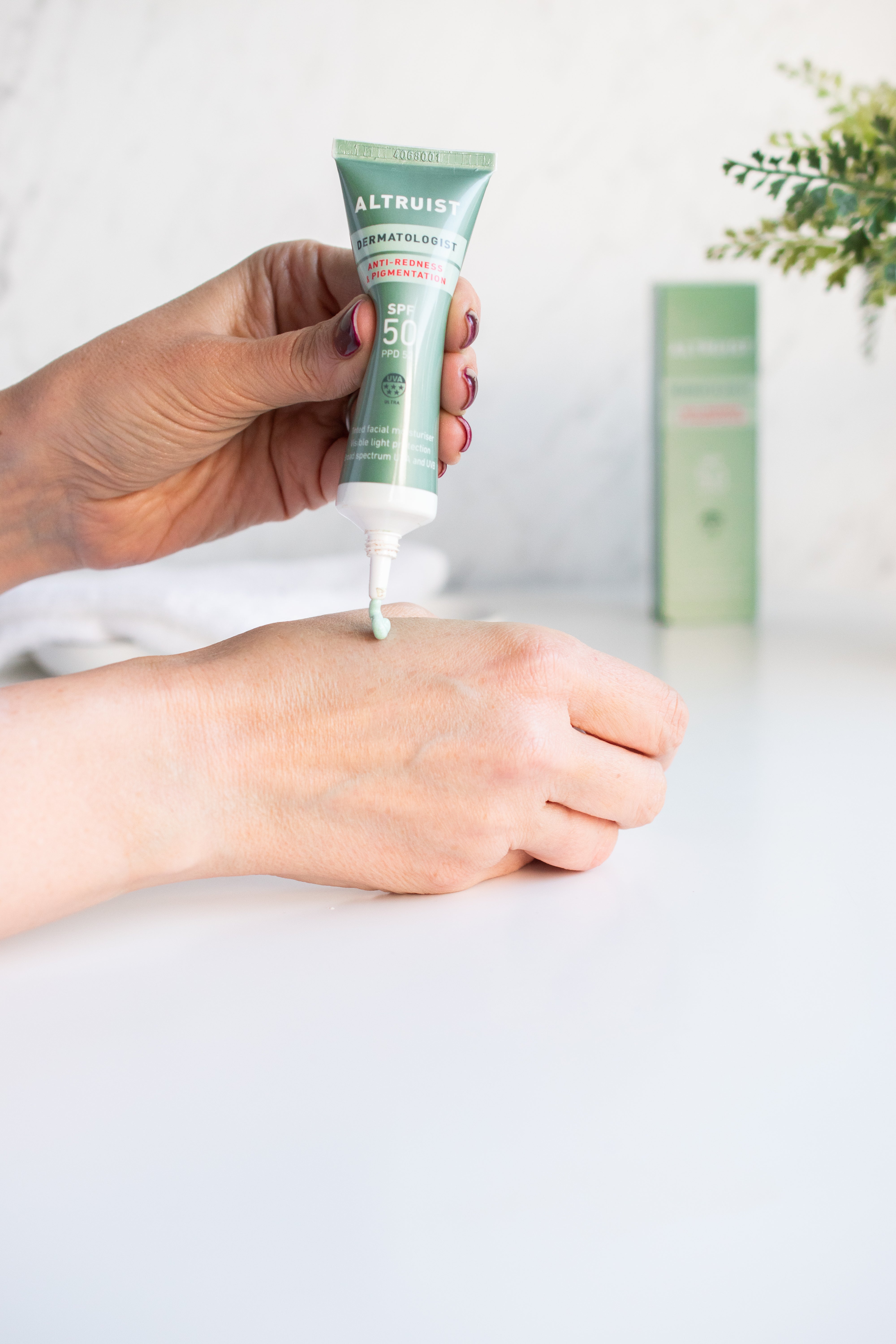
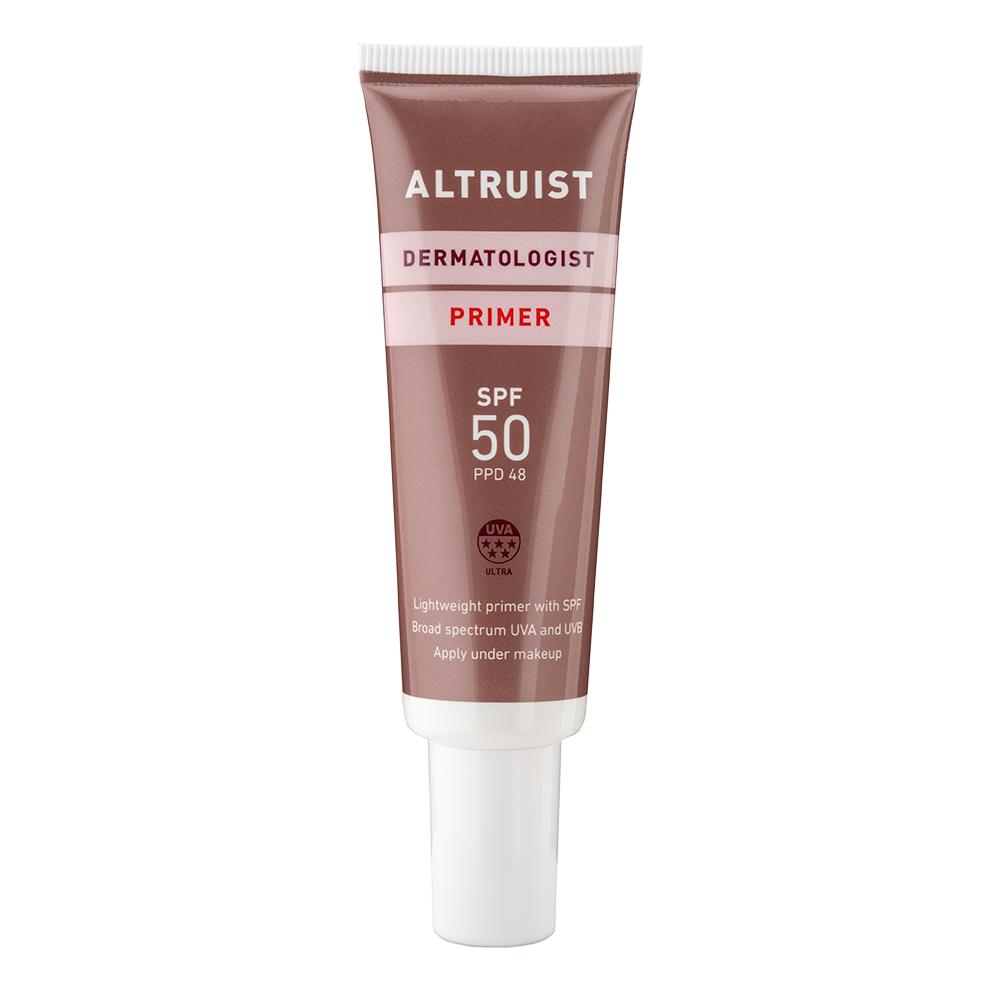
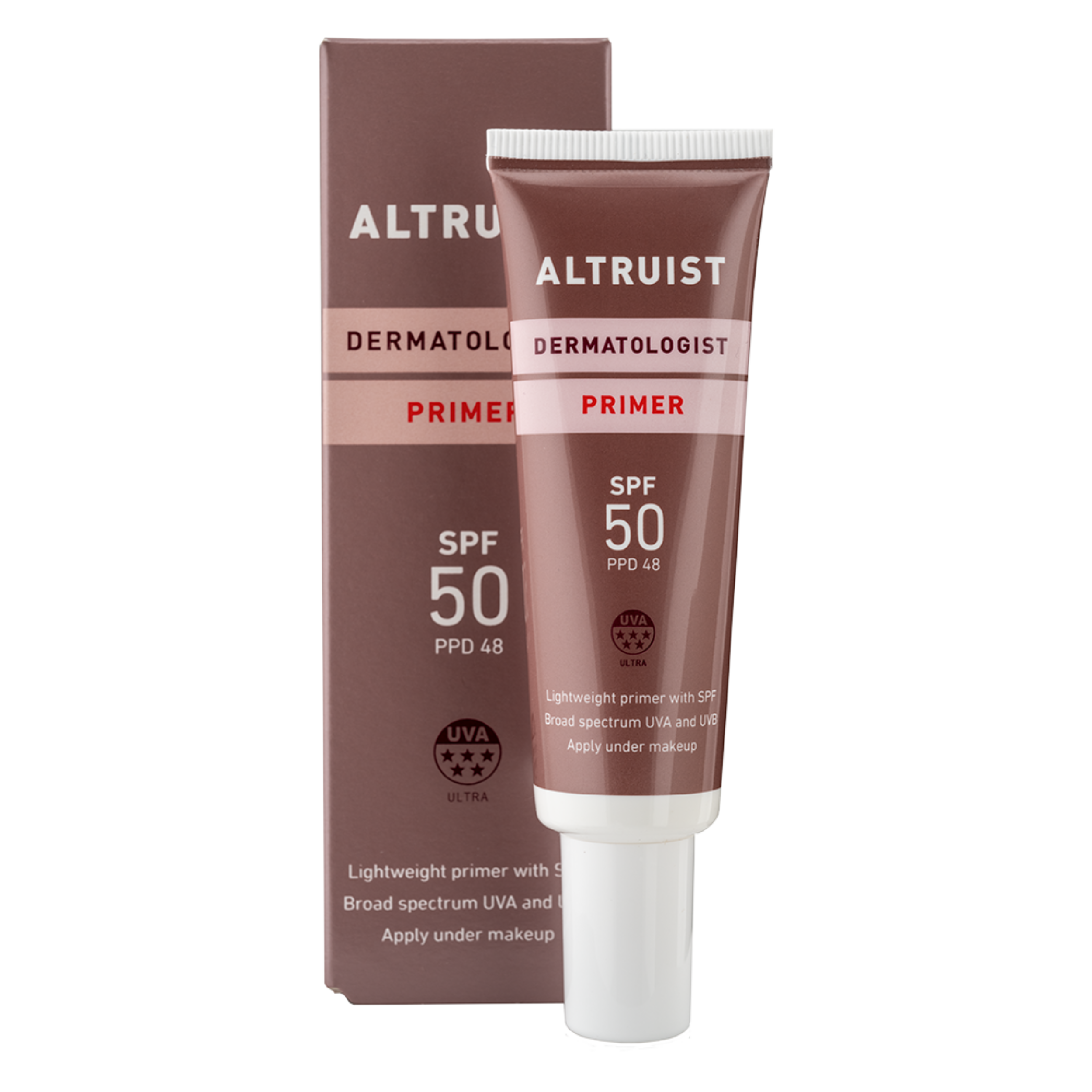
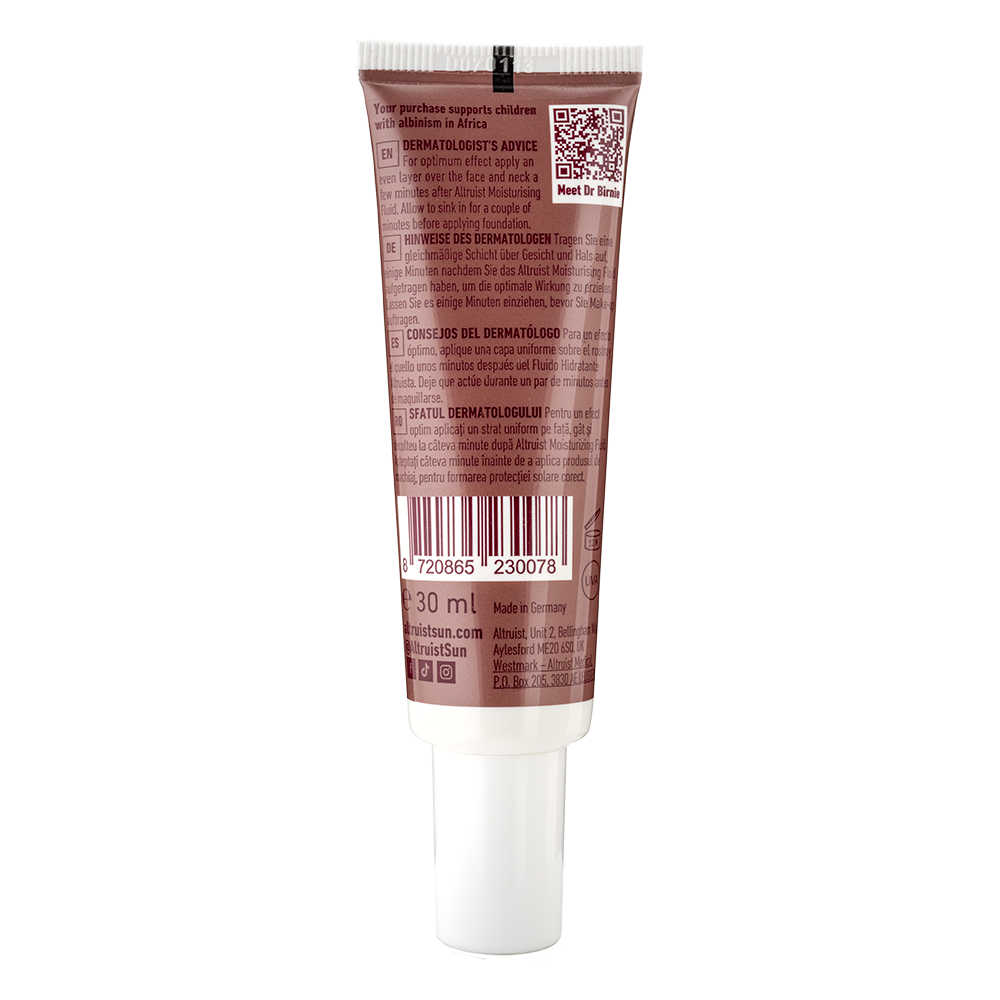
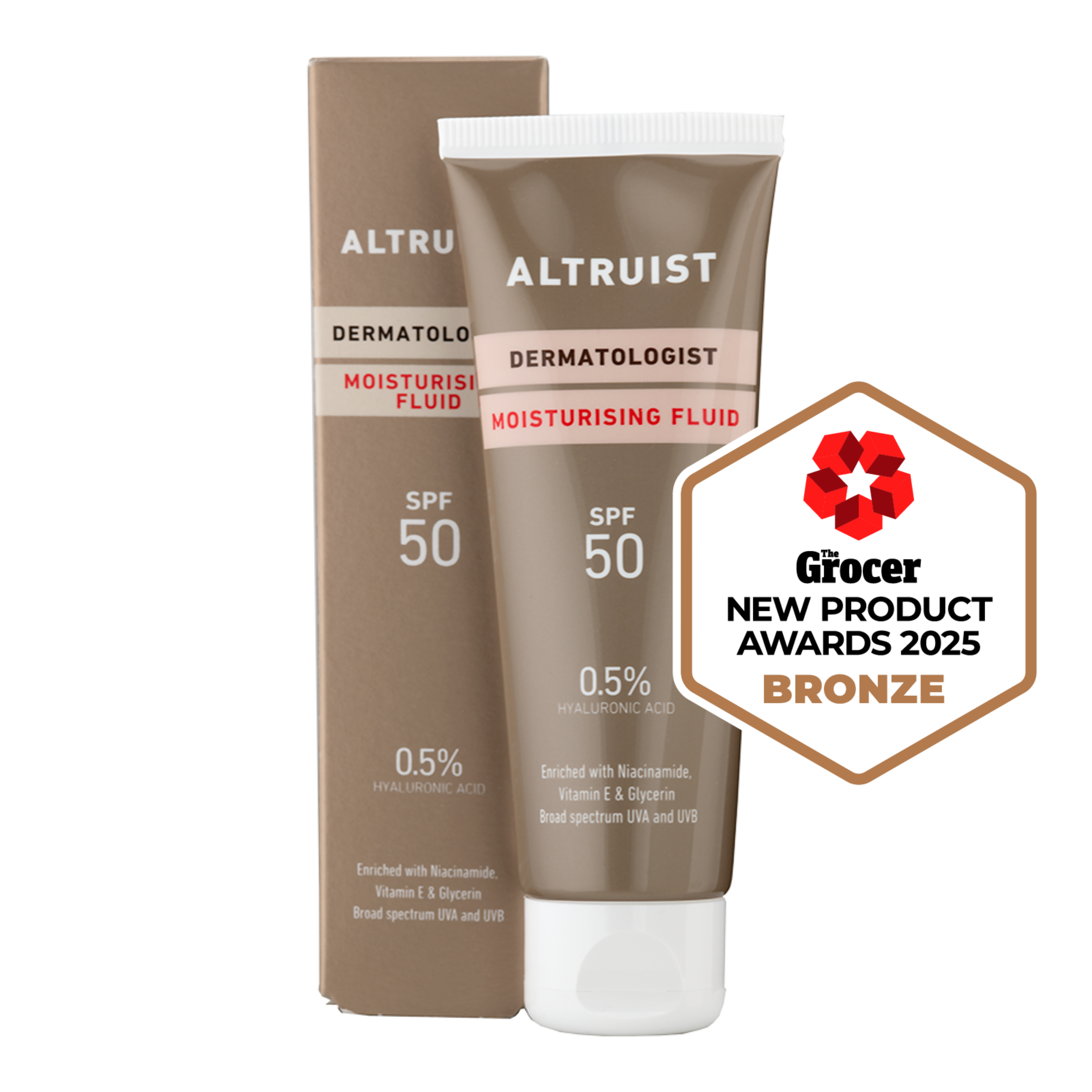
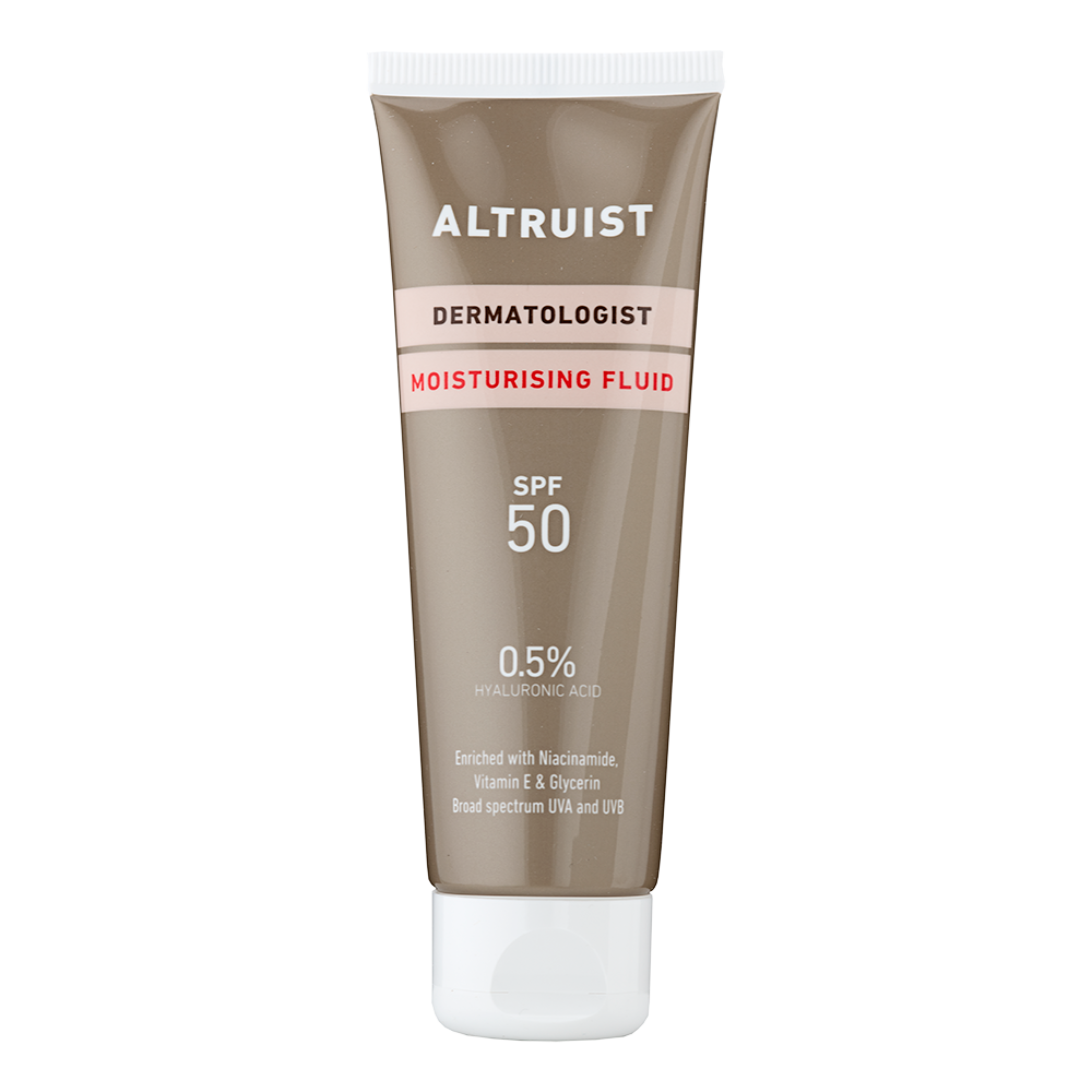
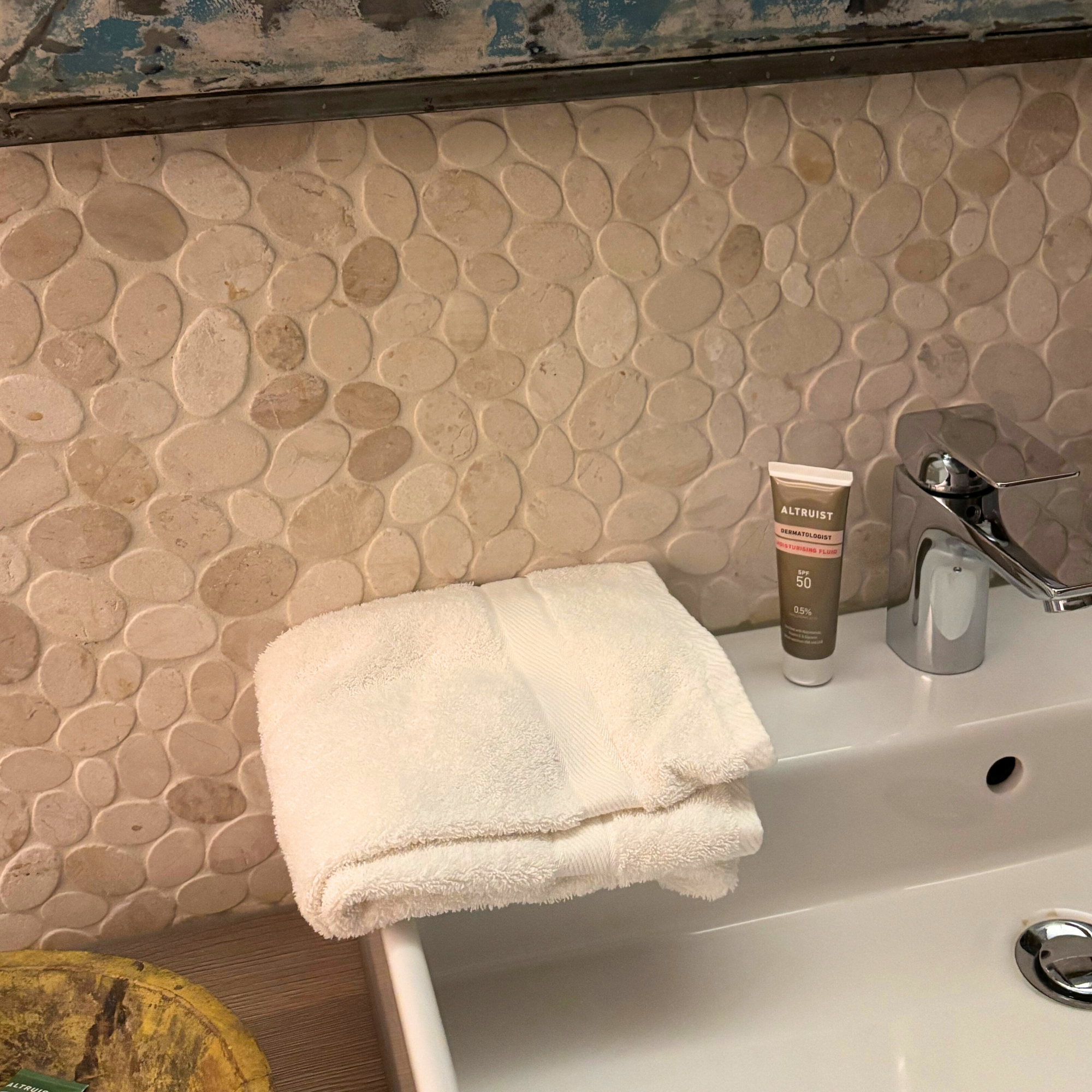


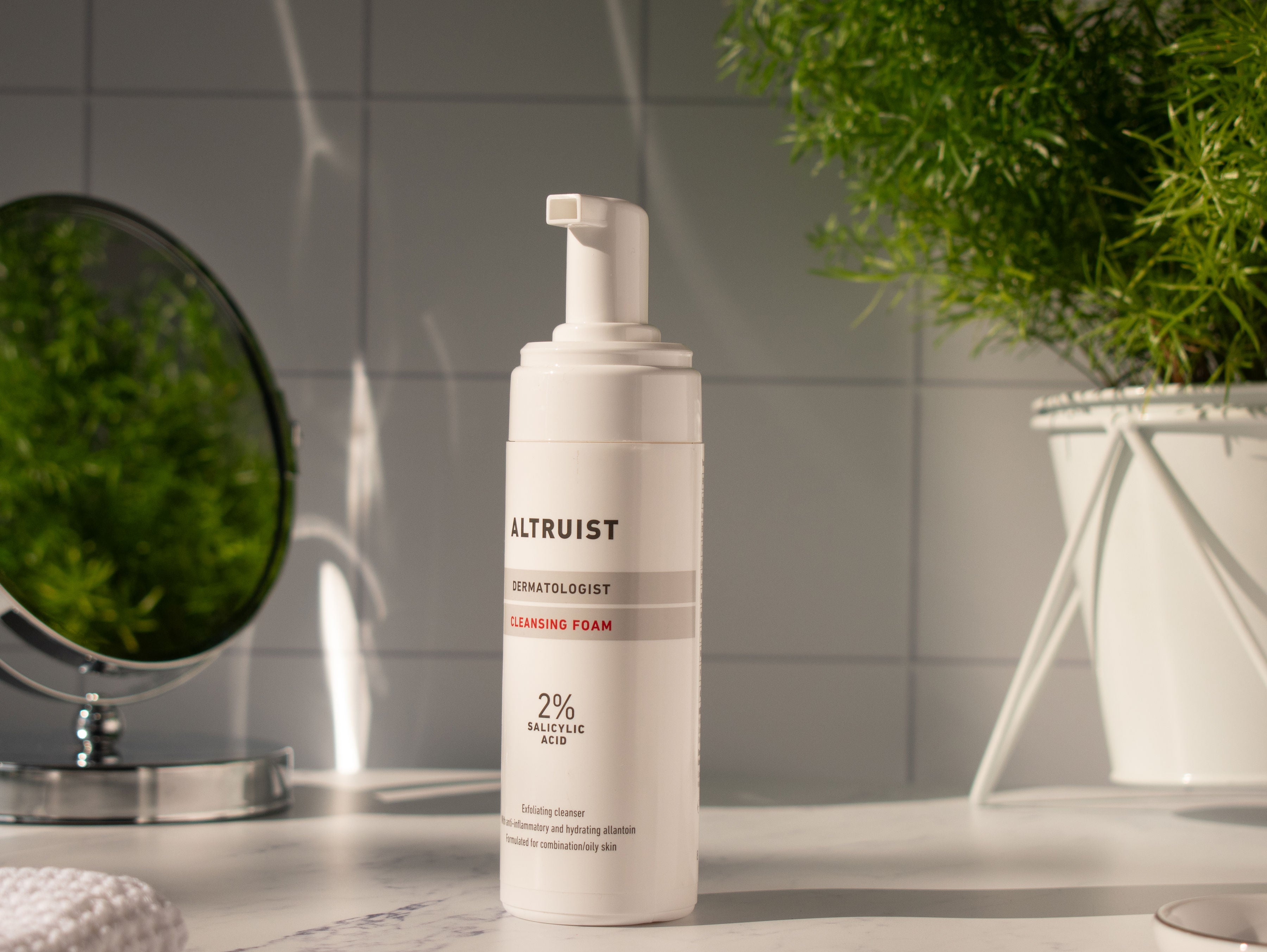
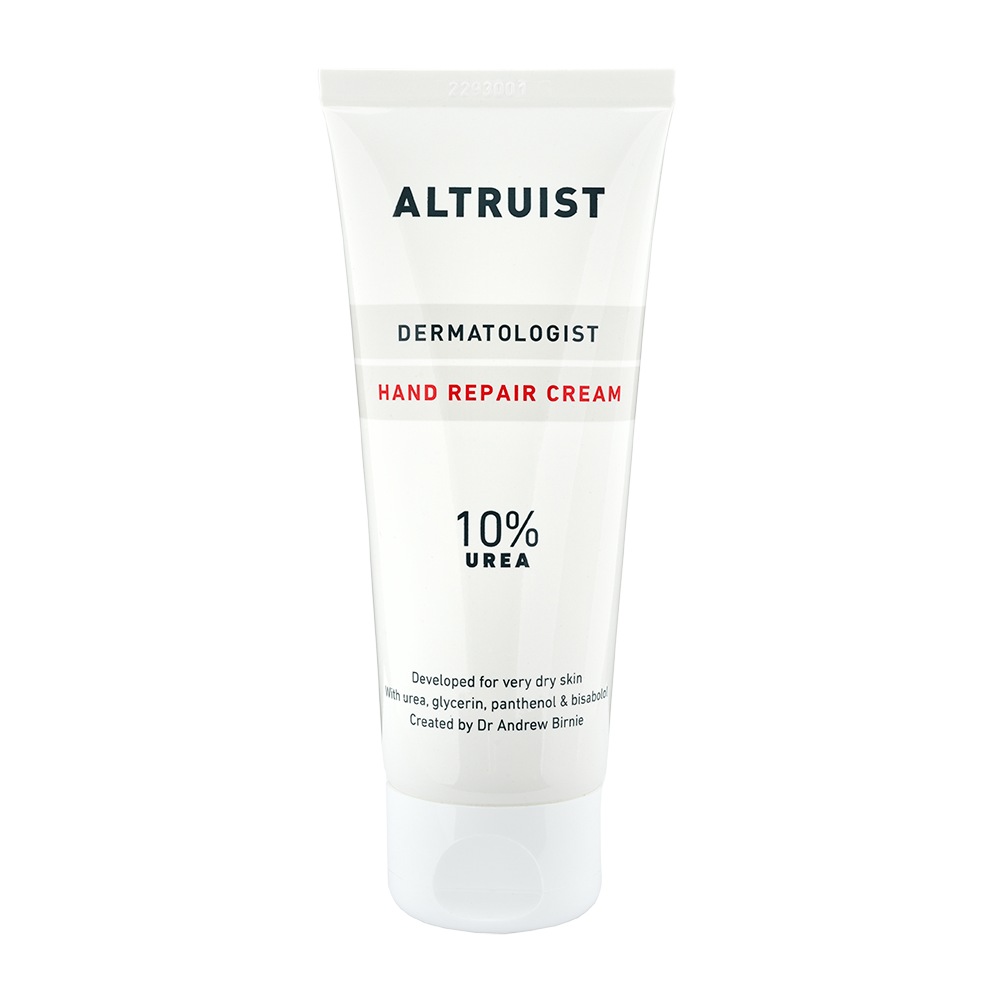
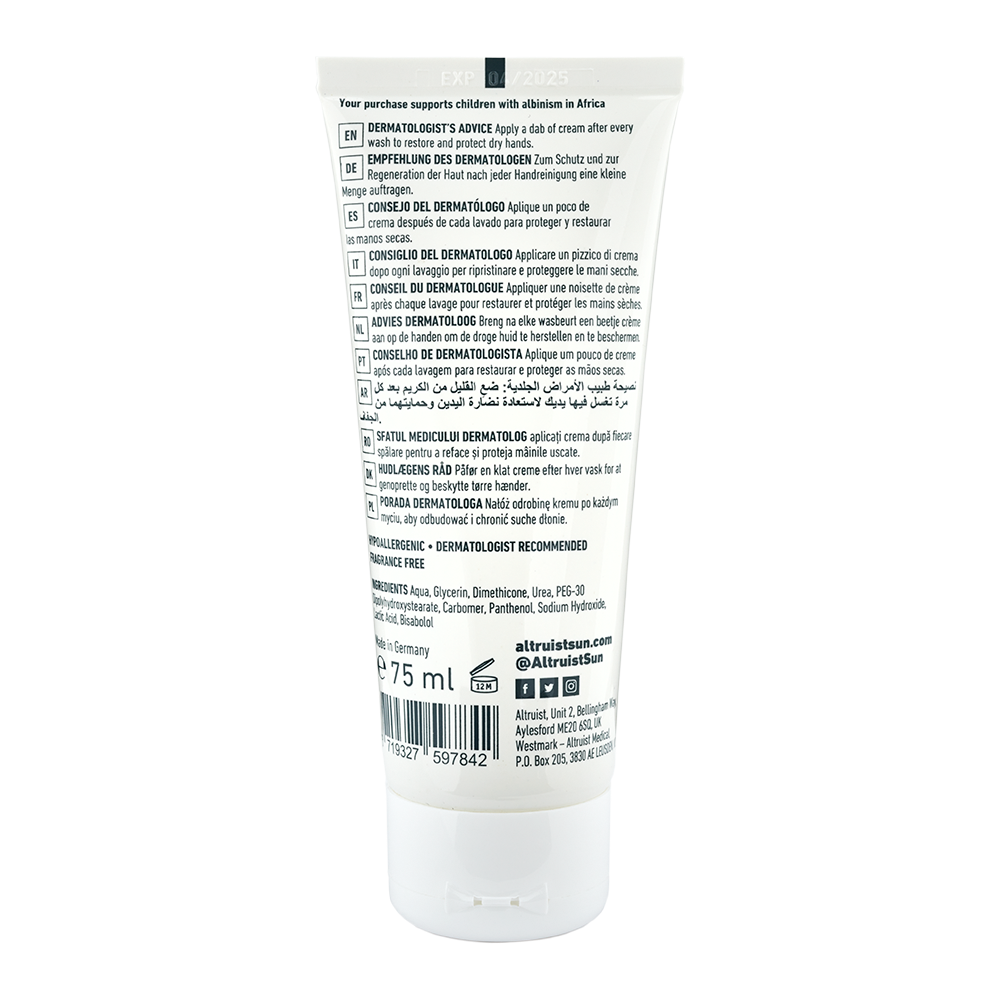
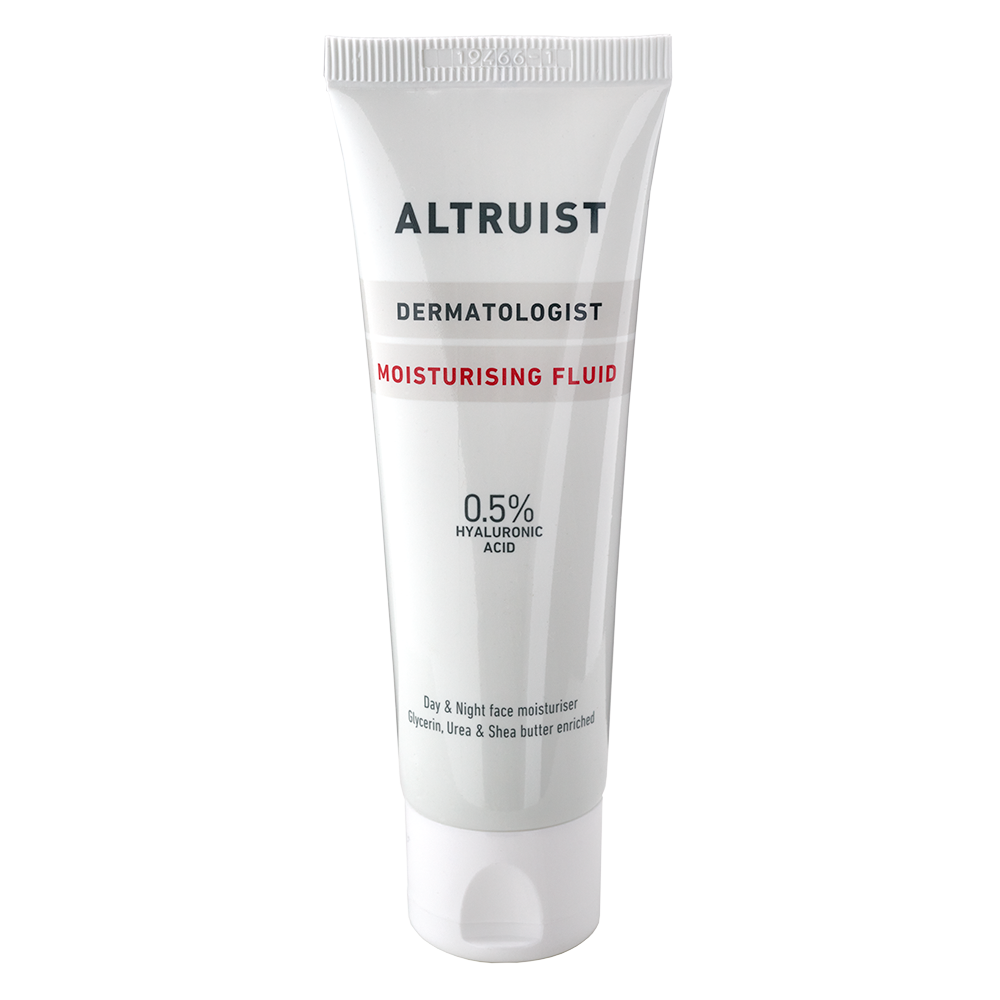
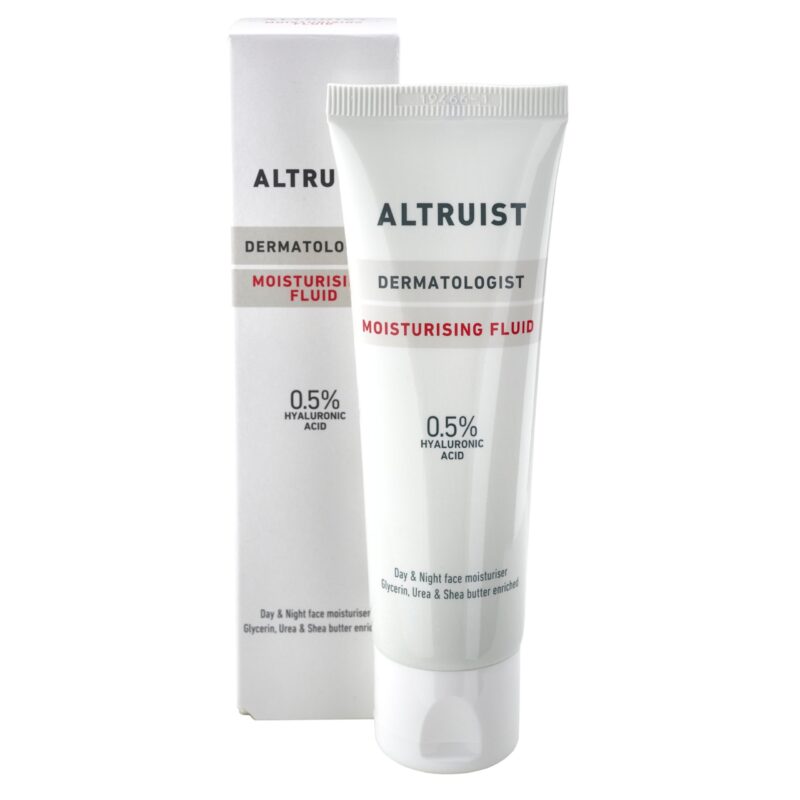
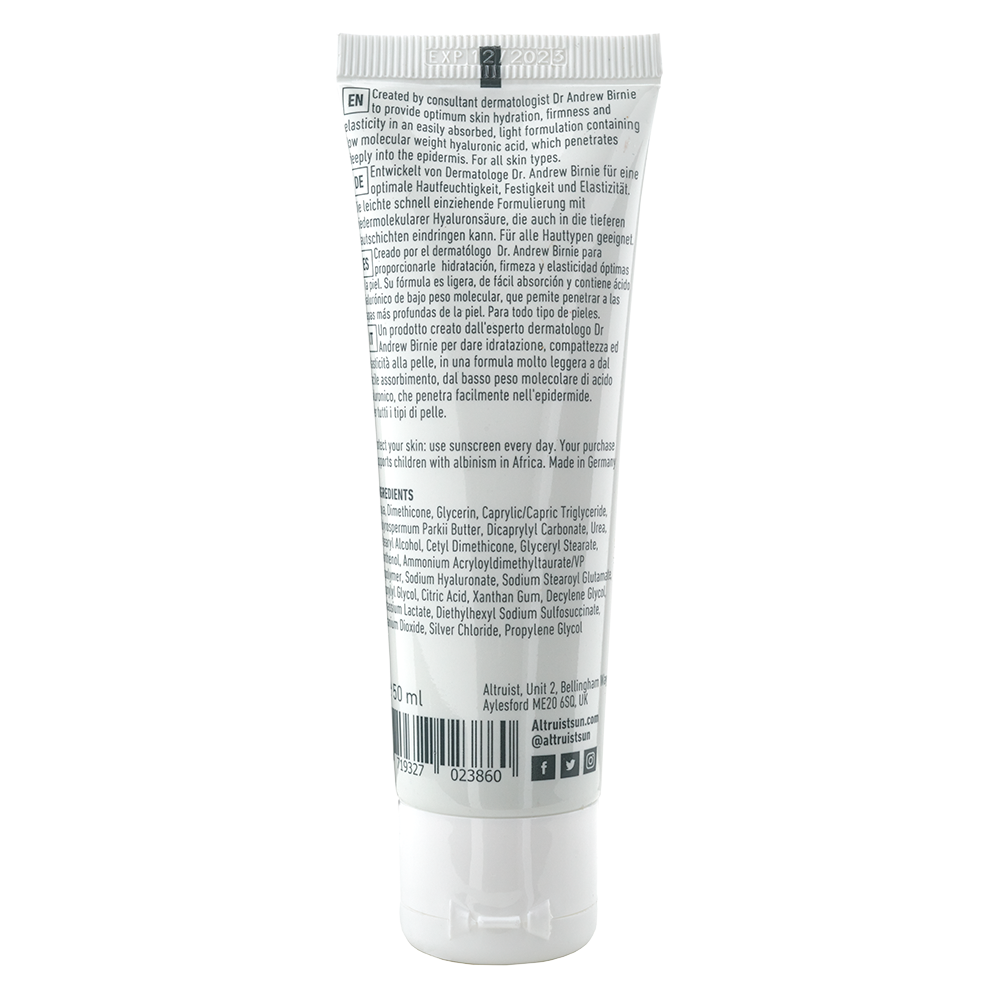
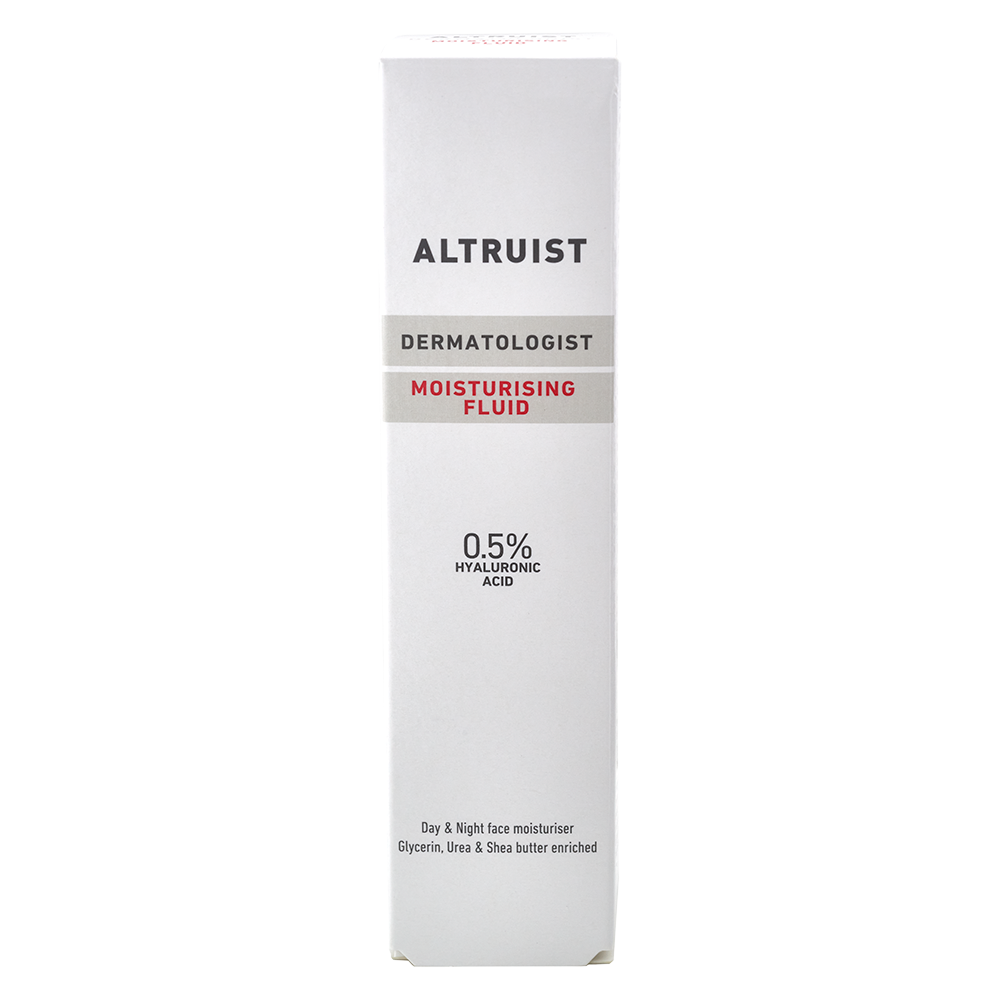
Visibly reduces redness and helps calm sensitive skin.
Formulated for skin prone to redness, sensitivity or uneven skin tone.
Let customers speak for us
If you have oily skin like me, this is amazing as it doesnt sit heavy on your skin feeling clogged up. Although I find that none of the Altruist creams sit heavy on my skin!


This cream really works, not greasy , highly recommend it.

An excellent product. The consistency of the fluid is perfect to wear under makeup as it is light, easily absorbed and non-oily. I’m so pleased to have found a factor 50 facial sunscreen that sits so well under make up and doesn’t clog the skin and create spots! Thank you!

Purchasing from altruist is always straightforward and reliable. Great products. Great deals
I love it! And I love the primer too. I do have the option for ‘high colour’ skins, but I would really love a tan tinted version, like a CC cream?
Brilliant cream, I can highly recommend this cream


Non greasy and easily absorbed.
Easy to order products that arrive quickly.
Excellent light cream that absorbs quickly.


Great product - button not working well on my current bottle. Otherwise, all good.👍

Really good stuff to use good quality
FAQs
What makes Altruist different from other sunscreens?
Altruist was founded by consultant dermatologist and skin cancer specialist Dr. Andrew Birnie, with one mission: to make high-quality sun protection affordable and accessible to everyone. Every Altruist product offers broad-spectrum protection with the maximum 5-star UVA rating, is hypoallergenic, fragrance-free and free from microplastics. On top of that, for every product sold we donate sunscreen to children with albinism in Africa, where access to sun protection can be lifesaving.
Is Altruist suitable for sensitive or acne-prone skin?
Yes. All Altruist sunscreens are specifically formulated for sensitive skin. They are hypoallergenic, non-comedogenic (won't clog pores), fragrance-free and tested under dermatological control. This makes them suitable for acne-prone skin, rosacea, eczema and skin undergoing isotretinoin treatment. The formulas are also gentle enough for babies from 6 months and can be applied around the eyes without stinging. For oily or acne-prone skin we specifically recommend our Oily Skin Cream SPF 50, designed with a lightweight, mattifying texture.
What's the difference between SPF 30 and SPF 50?
The difference is smaller than most people think. SPF 30 blocks about 96.7% of UVB rays, while SPF 50 blocks about 98.3%. Both Altruist formulations carry the maximum 5-star UVA rating, so UVA protection is identical. For daily use in the city or on cloudy days, SPF 30 is usually sufficient. For longer sun exposure such as beach holidays, mountain sports, or for very sensitive, fair or sun-damaged skin, we recommend SPF 50. The most important factor is not the SPF number, but applying enough sunscreen and reapplying every 2 hours.
Is Altruist reef-safe?
Altruist is formulated to be as ocean-friendly as possible. Our sunscreens do not contain oxybenzone or octinoxate — the two UV filters most commonly linked to coral reef damage and banned in places like Hawaii and parts of Mexico. We also avoid microplastics in our formulas. Please note that there is no globally agreed legal definition of "reef-safe", so we prefer to be transparent about what's in (and not in) our products rather than rely on a marketing label. You can find the full ingredient list on every product page.
How much sunscreen should I apply?
Most people apply far too little sunscreen, which significantly reduces protection. The dermatological guideline is around 2 milligrams per square centimetre of skin. In practice this means: a generous teaspoon (about 5 ml) for the face and neck, and around 30 to 35 ml — roughly a shot glass — for the whole body. Apply 15 to 20 minutes before sun exposure and reapply every 2 hours, as well as immediately after swimming, sweating or towel-drying. Don't forget commonly missed spots like the ears, the back of the neck, the tops of the feet and the hairline.