


A common misconception is that sunscreen is only necessary during summer months. In reality, SPF should be part of your daily routine as soon as the UV index reaches 3, according to official guidance. This can already occur in early spring across Northern Europe.
Even when temperatures remain low, UVA radiation is present all year round. Unlike UVB, it penetrates deep into the skin, contributing to premature aging, collagen breakdown, and long-term skin damage. If you’re working on repairing your skin barrier after winter, daily sun protection is essential to prevent UV damage from undermining that process.
In early spring, combining hydration with daily sun protection is not optional, it’s crucial.
Common SPF-mistakes in this month
Spring often feels mild and harmless. The sun seems less intense and the first outdoor coffees don’t feel like “real sun exposure.” That’s exactly why many people unintentionally fail to protect their skin during this period. This results in a few common mistakes:
Applying less sunscreen than necessary
People tend to apply less sunscreen than needed. A thin layer of SPF 50 can deliver more like SPF 20, offering significantly less protection than expected. In real life, That means a thin layer of SPF 50 may only offer SPF 20-level protection. Why aren’t we using enough? Because we fear a greasy finish, or assume a thin layer is sufficient. In spring, this mistake becomes even more common, as the sun doesn’t feel very intense.
Solution: Use about half a teaspoon for your face and neck, and a full palm for your body. Applying two light layers improves comfort while maintaining full protection.
Forgetting to re-apply
Reapplication is another habit that tends to slip in early spring. A common assumption is: “I applied SPF this morning, so I’m protected.” But SPF isn’t a permanent shield. It breaks down due to sweat, natural oils, friction from clothing, touching your face, and even mild sun exposure. Spring often includes unplanned outdoor moments, such as going for a walk, or going for a bike ride.
Solution: Reapply every two hours when outdoors. If you expect to be outside for longer, carry a portable sunscreen for convenience. Consistency is key to maintaining protection
Switching to a lighter spring routine
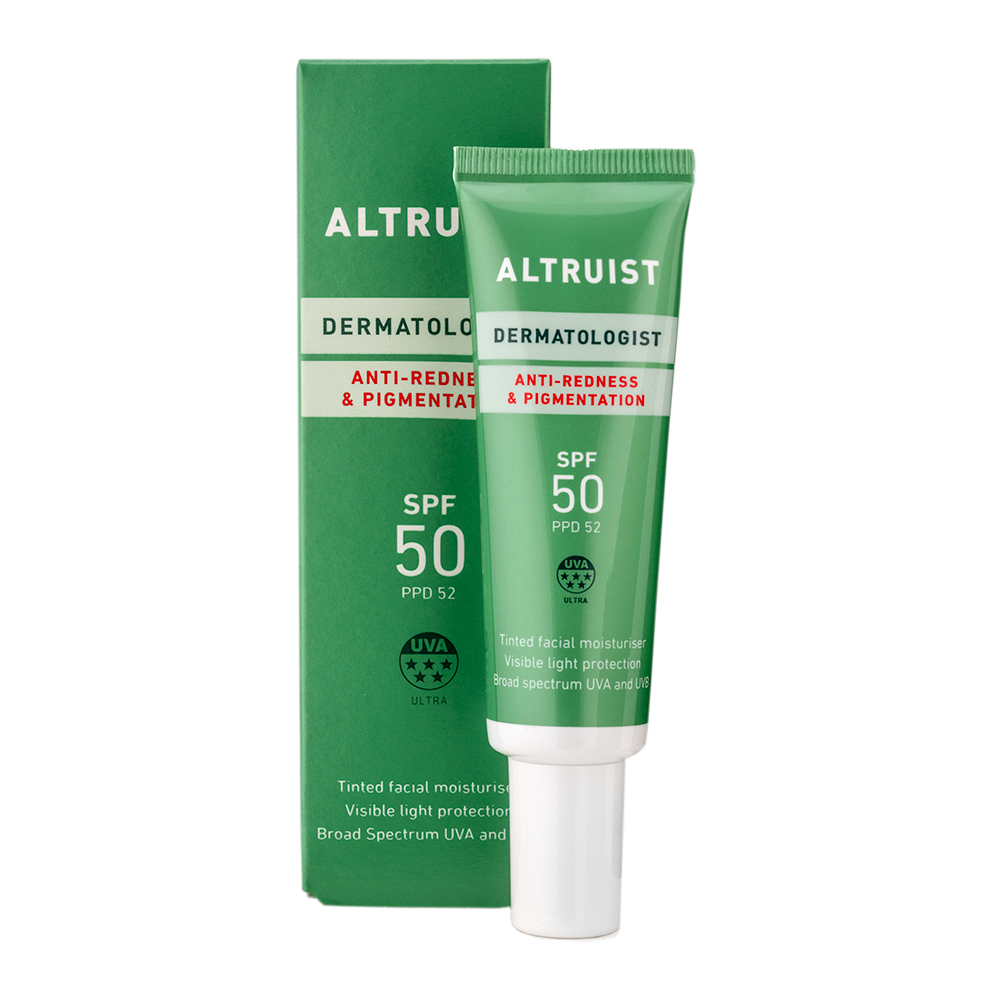
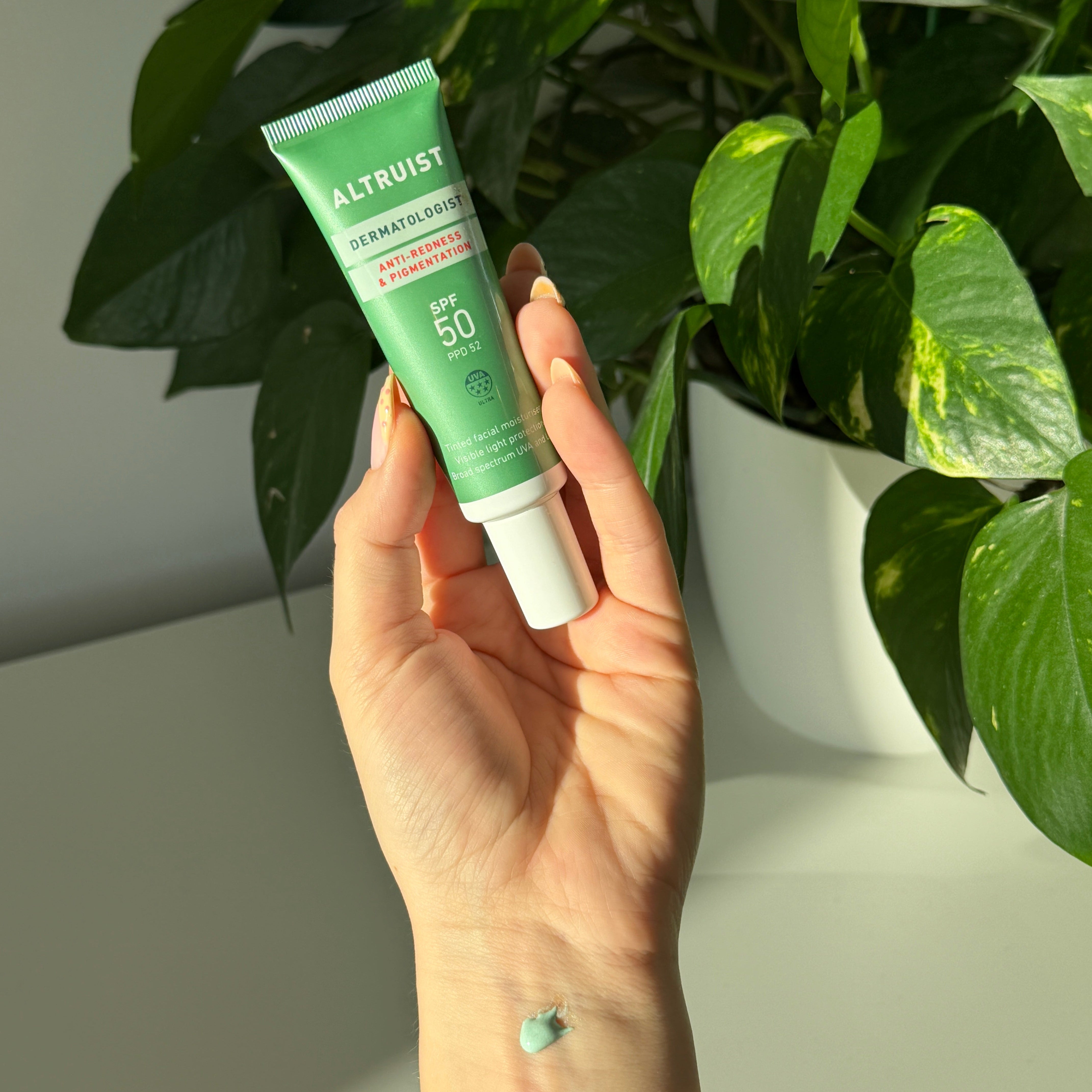
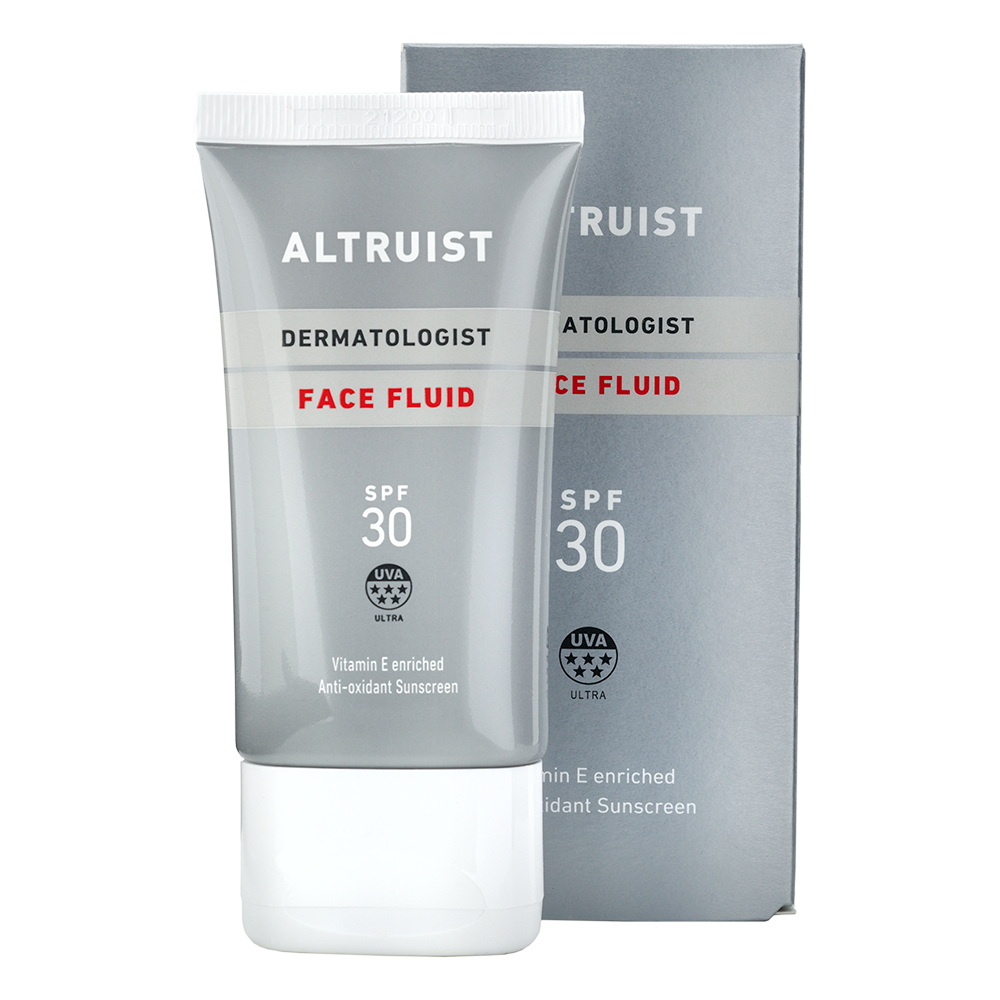
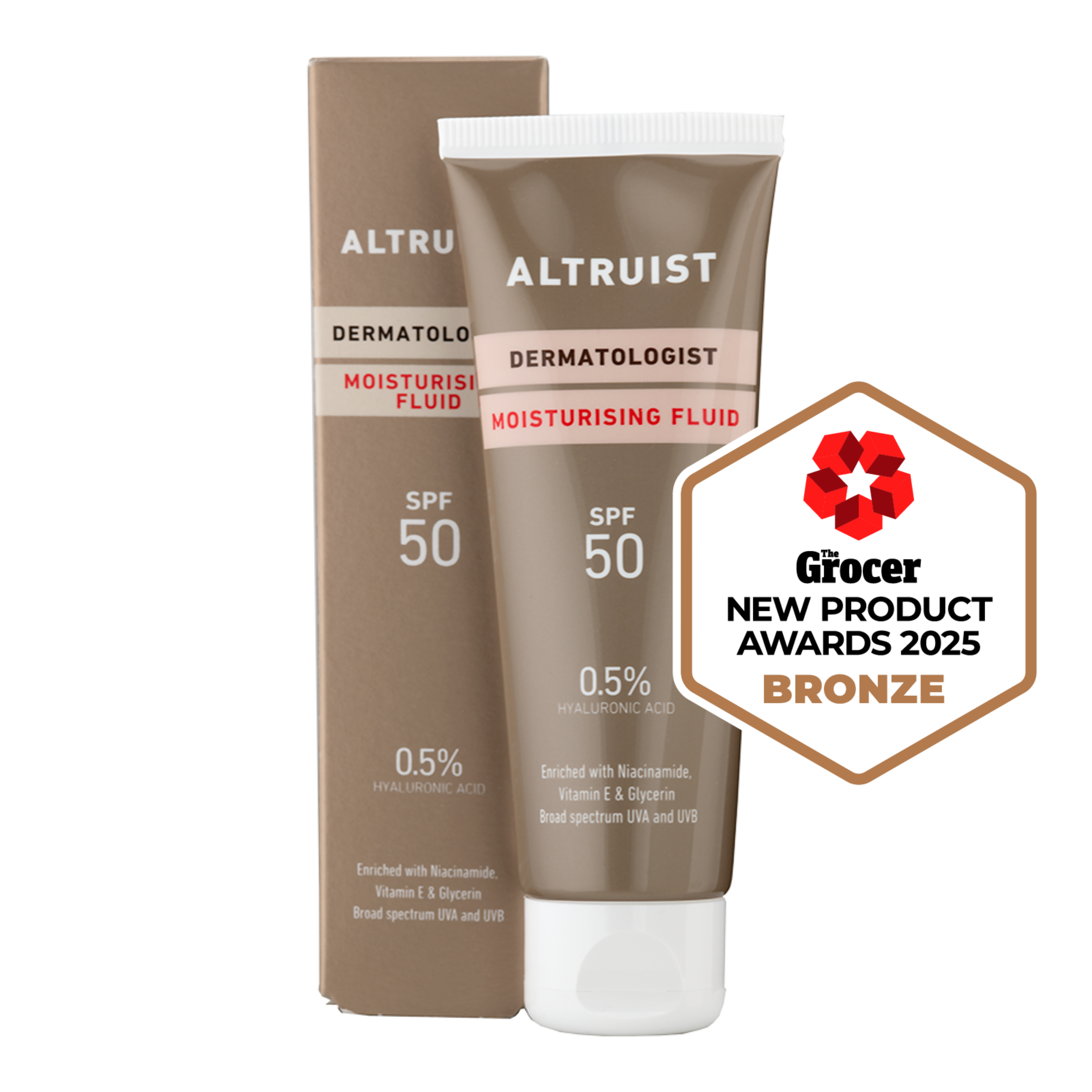
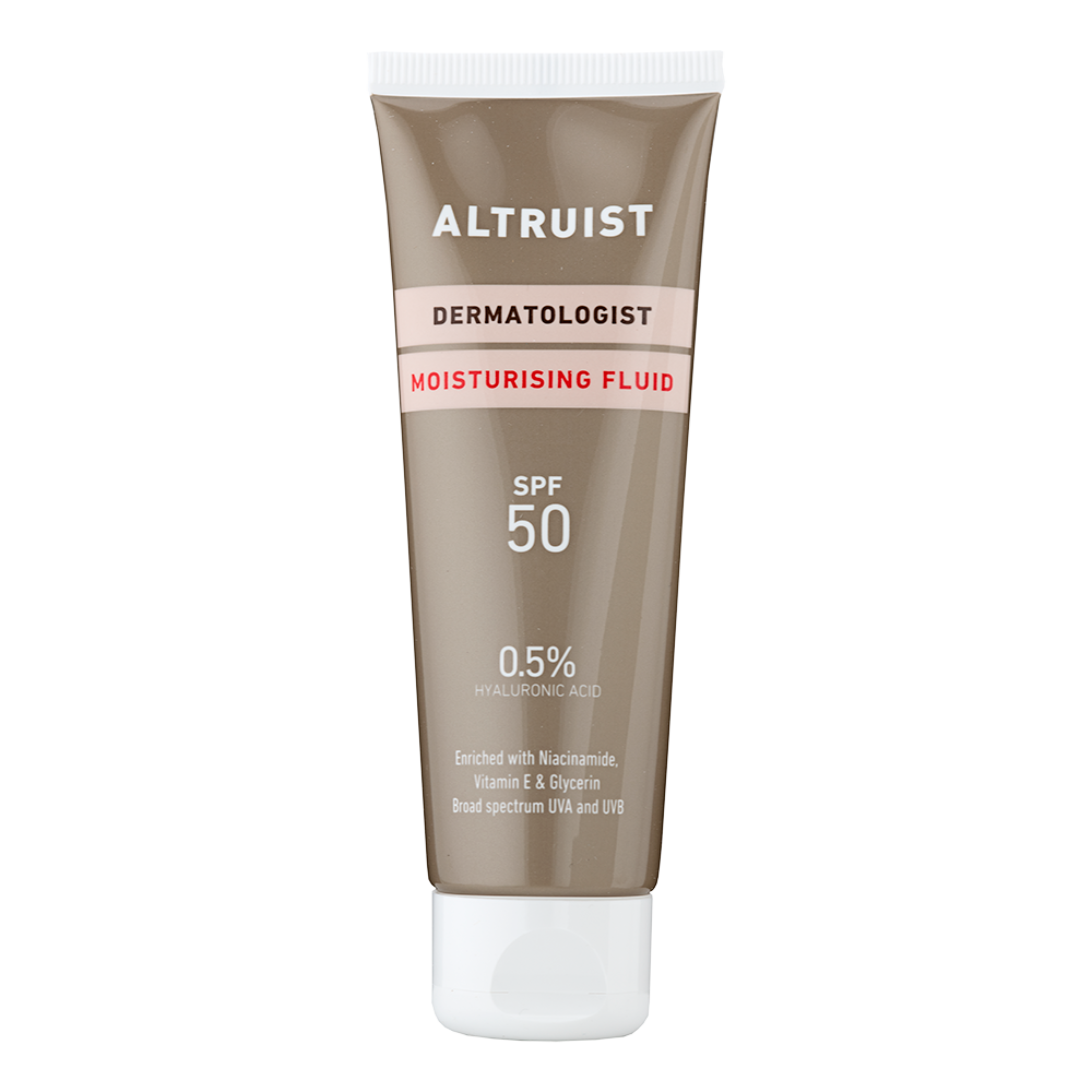
As temperature rises, many people want to switch to a lighter skincare texture in March. By doing this, it is important not to reduce your sun protection. Even when switching to lighter textures, daily SPF is key. If the focus remains on hydration and protection, a well-formulated SPF moisturiser can support the skin barrier.
For those seeking simplicity, a hybrid moisturiser with SPF can be a practical solution. Combining hydration and sun protection improves consistency, which is key for long-term skin protection.

Protecting children's skin in early spring
Sun protection is especially important for children. Their skin is thinner and more sensitive to UV radiation than adult skin, making it more vulnerable to sun damage. According to the National Health Service (NHS), repeated sun exposure and sunburn during childhood increase the risk of skin cancer later in life. Protecting children from an early age is therefore crucial.
The NHS recommends the following measures from March to October:
-
Use broad-spectrum sunscreen with at least SPF30
-
Apply sunscreen to exposed areas, such as the face, ears, and hands
-
Wear protective clothing and hats
-
Seek shade during peak sun hours, specifically from 11am to 3pm
Babies under six months should avoid direct sunlight. Shade, hats, and protective clothing offer the safest protection.

Choosing sunscreen for children
Sunscreens for children are designed for gentle but effective protection. As children’s skin is more sensitive and thinner, formulations should prioritize protection without irritation.
Look for:
-
Broad-spectrum protection (UVA + UVB)
-
SPF30 or higher
-
Water resistance
-
Fragrance- free and sensitive-skin formulations
For families, an easy-to-apply formula is key for consistent use. Our Family Sunspray was developed with this in mind: quick and even application, suitable for the whole family, and safe for babies from 6 months onwards. The spray was recently voted the winner in the ‘sunscreen’ category for the second time by The Independent, showing that convenience and reliable protection can go hand in hand.
Why March is a turning point for your skin
Healthy summer skin doesn’t start in June; it starts in March.
March, April and May form a transitional period in which the skin is still recovering from winter. By introducing consistent SPF use at this stage, it helps to strenghten the skin's resilience for the months ahead.
With the right balance of hydration and daily sun protection, you support both repair and prevention.
No more half applications, no more forgotten areas, no more ‘I’ll start this summer’.
With consistent protection and hydration, you support your skin both now and in the long term.
Consulted sources:
-
NHS [National Health Services]. (2022, December 19). Sunscreen and sun safety. nhs.uk. Retrieved March 20, 2026, from https://www.nhs.uk/live-well/seasonal-health/sunscreen-and-sun-safety/


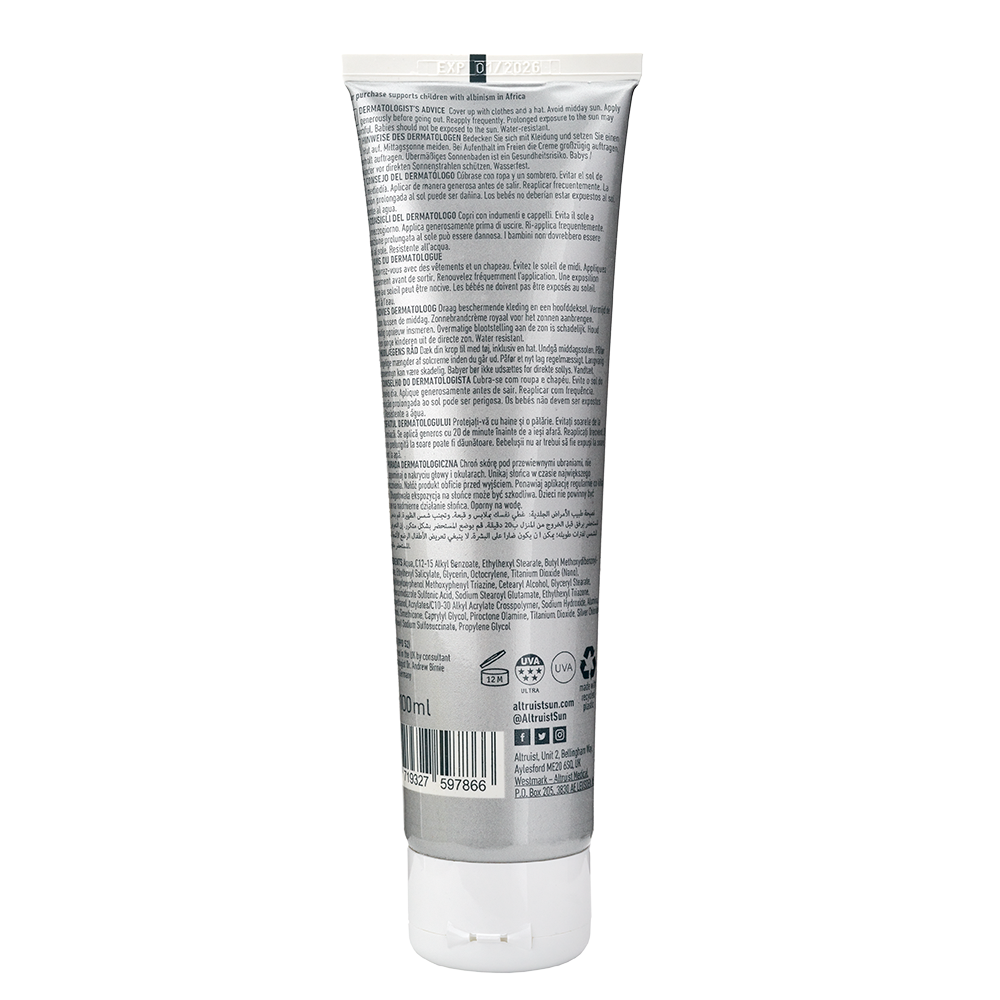
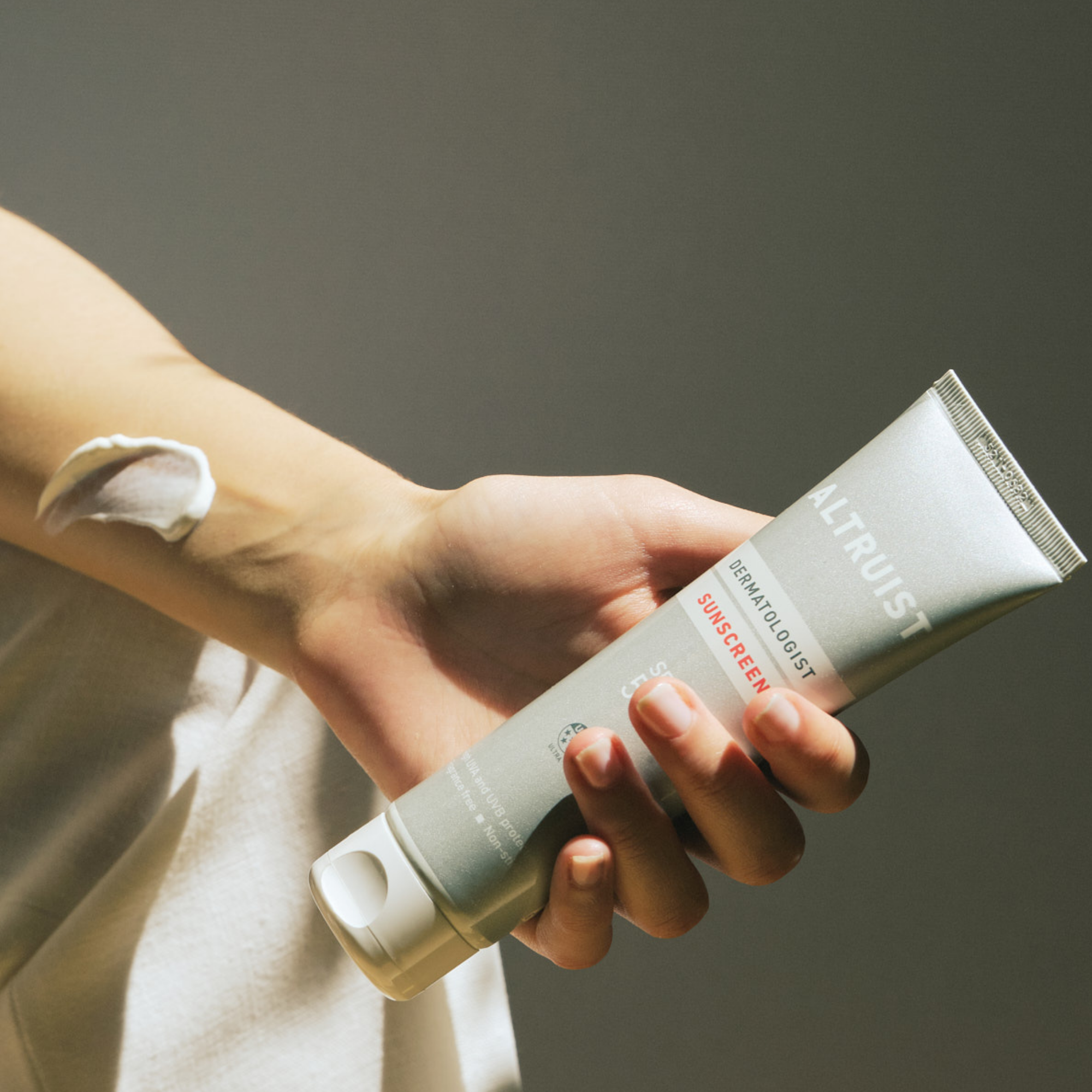
Altruist Family Sunspray SPF50 Named Best Overall Sunscreen for Kids by The Independent
Octocrylene in Sunscreen: A Science-Based Perspective