


In recent years, the ingredient octocrylene has become the subject of increasing discussion, with questions raised about its safety in sunscreen formulations. As a company committed to transparency, scientific integrity, and public health, we believe it is important to address these concerns clearly and responsibly.
What is Octocrylene and Why Is It Used?
Octocrylene is a widely used UVB filter that plays an important role in protecting the skin from sunburn and long-term sun damage, including photoaging and skin cancer. It also helps stabilize other sunscreen ingredients, ensuring the product remains effective when exposed to sunlight.
Its inclusion in sunscreen formulations is not arbitrary—it is based on decades of research and regulatory review.
Is Octocrylene Safe?
Based on the current scientific evidence and strict regulatory assessments, Octocrylene is considered safe when used in cosmetic products at approved concentrations. Claims that octocrylene in sunscreen causes cancer are scientifically unfounded and may undermine effective protection against harmful UV-induced skin damage.
As dermatologist Dr Andrew Birnie explains:
“Based on all available evidence, we can confidently say, ‘No, Octocrylene does not cause cancer, nor is it in any other way harmful to humans. Not in the way it is used in (our) sunscreen.’”
There are no high-quality studies demonstrating harm to humans when octocrylene is used at the concentrations found in sunscreen products. This conclusion is supported by independent regulatory bodies, including the Scientific Committee on Consumer Safety (SCCS), which rigorously evaluates cosmetic ingredients in Europe.
Understanding Risk: The Importance of Dose
Much of the concern surrounding octocrylene stems from a misunderstanding of toxicology.
Dr Birnie highlights a fundamental principle:
“Any chemical or compound will have a dose, or concentration, for which it has no effect at all… and then a toxic dose.” This principle applies universally—even to substances we use safely every day. For example:
- Paracetamol relieves pain at recommended doses but can be dangerous in excessive amounts.
- Botulinum toxin (Botox) is one of the most toxic substances known, yet is widely used safely in controlled doses.
The same logic applies to Octocrylene. Studies suggesting harm typically involve extremely high concentrations or conditions that do not reflect real-world use. Drawing conclusions from such studies without context leads to unnecessary fear.
How Much Octocrylene Is Used?
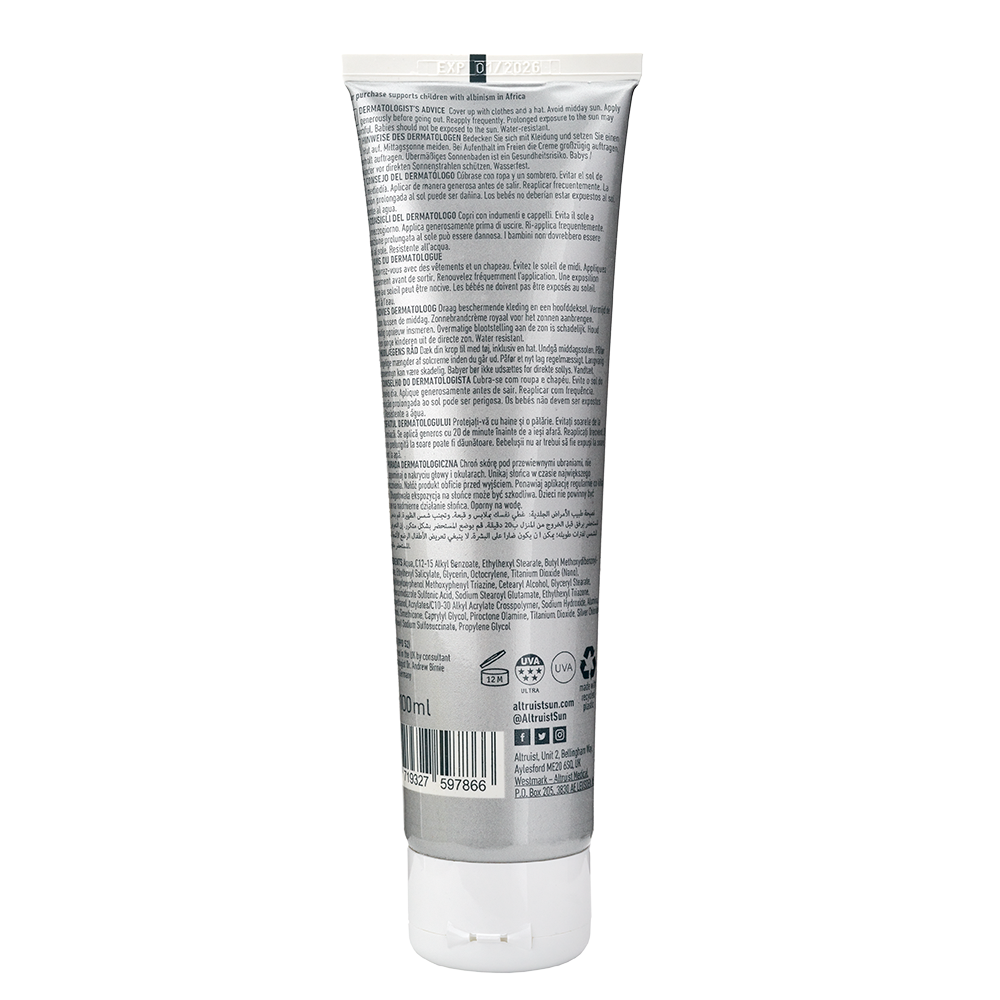
In our formulations, octocrylene is used at low concentrations (below 5%), primarily for optimal skin feel and performance. This is significantly below the maximum level permitted by European regulators (up to 14.6%).
This conservative approach ensures both efficacy and safety, aligned with regulatory guidance and best scientific practice.
Addressing Misinformation
Public concern is often amplified by simplified rating systems or viral claims that do not reflect the full body of scientific evidence.
Dr Birnie notes:
“There are no good quality studies that suggest that octocrylene, used in the concentrations found in sunscreen, is harmful to humans.”
It is important to rely on comprehensive scientific evaluation, rather than isolated or misinterpreted findings.
Our Commitment
All ingredients used in our products are independently assessed and approved by regulatory authorities such as the SCCS. These bodies evaluate safety using robust, evidence-based methodologies.
We remain committed to:
- Using proven, effective ingredients
- Following strict regulatory standards
- Communicating clearly and transparently with our customers
Final Thoughts
Octocrylene is a well-studied, effective, and regulated ingredient that plays an important role in protecting skin from harmful UV radiation. While it is natural to question what goes onto our skin, it is equally important to base decisions on sound science rather than speculation.
As Dr Birnie emphasizes, understanding both dose and real-world exposure is key to interpreting safety data correctly. In the context of sunscreen use, the evidence is clear: Octocrylene is safe and effective when used as intended.


Altruist Family Sunspray SPF50 Named Best Overall Sunscreen for Kids by The Independent
New Product: Kids Sunscreen Roller SPF50