


What Is PPD, and Why Does It Matter More Than SPF alone?

Ask ten people what SPF means and seven will get roughly the right answer. Ask them what PPD is and the room goes quiet. Yet the PPD value of your sunscreen is at least as decisive for your skin, especially when your concern is skin ageing, pigmentation and lowering your skin cancer risk. In this article, we're happy to explain exactly what PPD measures and why SPF only tells half the story.
What Does PPD Actually Mean?
PPD stands for Persistent Pigment Darkening. It's a testing method laboratories use to measure how much protection a product offers against UVA radiation. During the test, a patch of skin is exposed to UVA both with and without sunscreen. Researchers then measure how much more UVA is needed to cause the same lasting darkening of the skin.
A PPD of 39 simply means it takes approximately 39 times as much UVA radiation to reach the same effect on the skin as it would without protection. The higher the number, the higher the level of UVA protection.
In scientific literature you will also come across the term UVA-PF, the UVA Protection Factor. The difference is mainly technical: PPD refers to the testing method, while UVA-PF refers to the resulting protection factor. In practice the two terms are used interchangeably, and you can read them as the same thing.
SPF Only Tells Half the Story
SPF, or Sun Protection Factor, measures protection against UVB alone. UVB is the radiation that burns your skin. Important, certainly, but not the full picture.
The SPF number can also be misleading if you don't know what it actually represents.
- SPF 30: approximately 96.7% UVB protection
- SPF 50: approximately 98% UVB protection
That may sound like a big difference on the bottle, but in terms of the percentage of UVB reaching your skin, the difference is relatively small. SPF 30 allows roughly 1/30 of the erythema-producing UV dose through, while SPF 50 allows roughly 1/50 (Gabros et al., 2025).
So an SPF 50 is certainly more protective against UVB than an SPF 30, but SPF alone doesn't tell you how well a sunscreen protects against UVA.
What about UVA?
The sunlight that reaches the earth is overwhelmingly made up of UVA. That radiation penetrates deeper into the skin, all the way into the dermis. There it breaks down collagen and elastin, drives pigment formation and worsens melasma. UVA is also present all year round, even through cloud cover, and it passes straight through glass.
UVA doesn't burn you. You can not feel it. And that's precisely why the damage can go underestimated for years. A sunscreen with an extremely high SPF but only mediocre UVA protection gives you a false sense of security: you don't burn, so you may stay out in the sun longer, while the UVA quietly keeps doing its work.
That also explains why UVA protection remains relevant in winter. The amount of UVB fluctuates sharply with the season; UVA levels far less so. If you spend time outdoors year-round, or work beside a window, you need broad spectrum protection.
How to Read UVA Protection on the Packaging
Depending on where a sunscreen is sold, you may see UVA protection expressed in several different ways.
-
The UVA circle logo: This round symbol containing the letters UVA in it means the UVA protection is at least a third of the stated SPF. For an SPF30 that works out to minimum UVA-PF of 10. It's an important baseline, not a mark of quality.

-
Boots Star Rating system: Is a British UVA star rating developed by beauty retailer Boots. It ranges from zero to five stars and looks at the ratio between UVA and UVB protection. Five stars, also referred to as Ultra, is the highest class. The more stars, the better the balance between UVA and UVB protection.
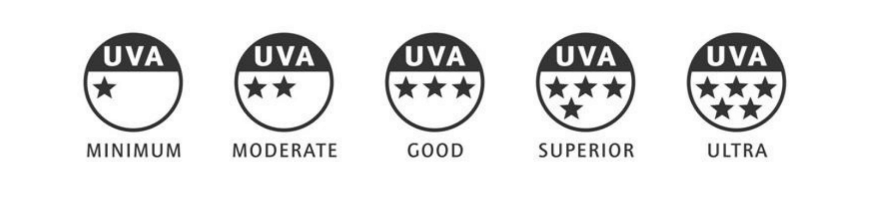
- The PPD Value Itself: The exact value is not required in the EU; only the UVA circle logo is standardised. Brands that put the exact PPD value on the packaging or product page anyway give you the most concrete number for comparing products. Treat that transparency as a positive sign.
- PA rating: If you use Korean sunscreens, you will often see PA+ to PA++++ on the packaging. PA stands for Protection Grade of UVA and is based on UVA protection measured through the persistent pigment darkening method. The more plus signs, the higher the UVA protection.
| PA Rating | PPD Value | Level of UVA Protection |
|---|---|---|
| PA+ | >2 | Some UVA protection |
| PA++ | >4 | Moderate UVA protection |
| PA+++ | >8 | High UVA protection |
| PA++++ | >16 | Extremely high UVA protection |
(Zou et al., 2022)
What Counts as a Good PPD Value?
There's no official cut-off defining a ‘’good’’ PPD value. However, one useful way to put the number into context is to look at it in relatin to the SPF.
In Europe, the UVA protection of a sunscreen should be at least one third of its labelled SPF. This is the principle behind the UVA circle on European sunscreen packaging. For example, an SPF 30 product should have a UVA-PF of at least 10, while an SPF 50 product should have a UVA-PF of at least approximately 16.7.
This one-third ratio is an important minimum standard. A sunscreen can meet the requirement while still offering less UVA protection than another product with a higher UVA-PF.
As a rough guide, you can think about PPD values like this:
|
PPD value |
Level of UVA protection |
|
<10 |
Low, generally only acceptable with a low SPF |
|
10-20 |
Moderate to good, meets the European minimum |
|
20-30 |
High |
|
30> |
Very high |
It’s important to pay particular attention to the UVA protection in relation to the SPF, rather than assuming that a higher SPF automatically means higher UVA protection. SPF and PPD/UVA-PF are measured separately and assess different types of UV protection. A higher SPF doesn't automatically mean a higher PPD, because the two values are measured separately using different methods.
There are indeed SPF50 products with lower UVA protection than some SPF30 products. For example, An SPF50 with PPD 12 provides a UVA-PF/SPF ratio of just 0.24, falling below the European recommendation of at least one third.
An SPF 30 with a PPD of 39, on the other hand, provides a much higher level of UVA protection, both in absolute terms and relative to its SPF.
This is why looking at the SPF alone can be misleading. A higher number on the front of the bottle does not necessarily mean better protection across the entire UV spectrum. For a more complete picture, consider a broad spectrum sunscreen.
Why Altruist Deliberately Prioritises PPD
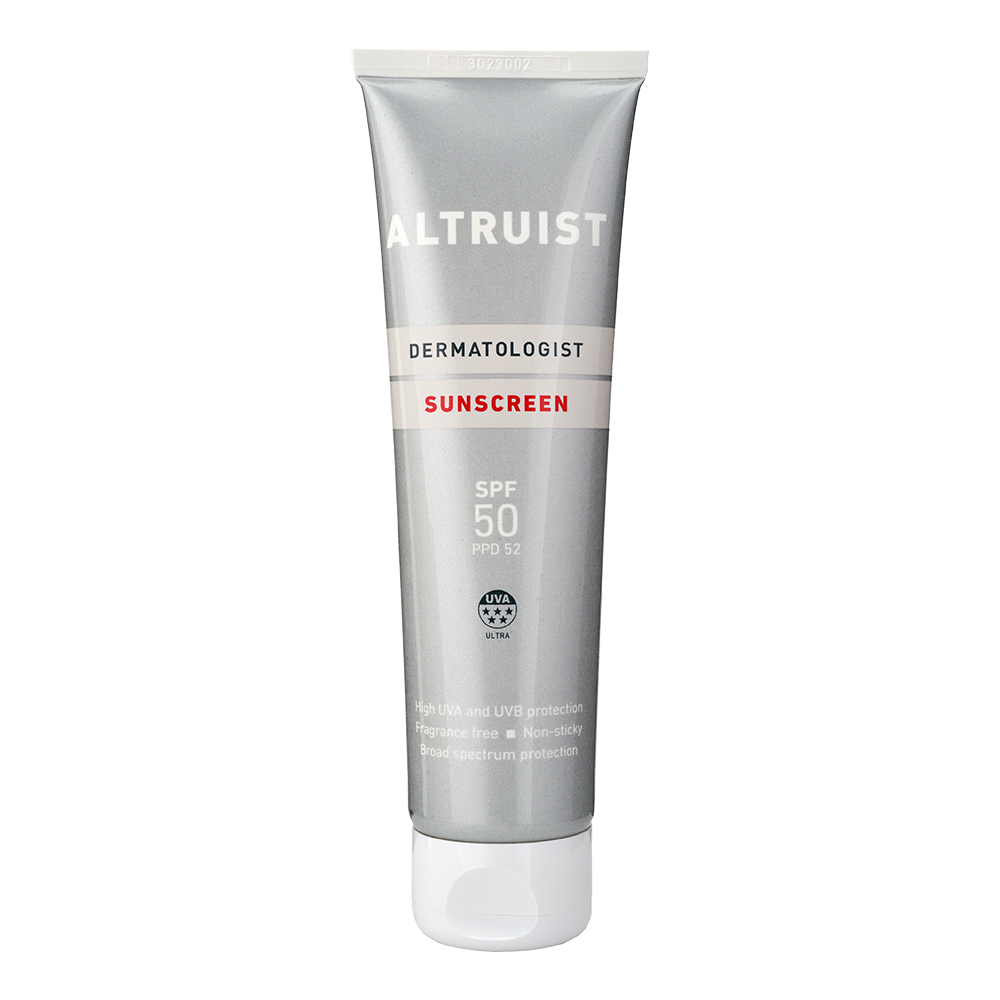
 Altruist was founded by dermatologist and skin cancer surgeon Dr. Andrew Birnie, based on the belief that good sun protection shouldn't be a luxury product. This philosophy translates directly into the formulations.
This is particularly relevant when it comes to UVA protection. Sun protection isn't only about preventing sunburn. If your goal is to minimise cumulative skin damage and premature skin ageing, protecting against UVA is an important part of your daily routine as well. UVA is present throughout the year and can contribute to long-term changes in the skin even when you don't experience visible sunburn.
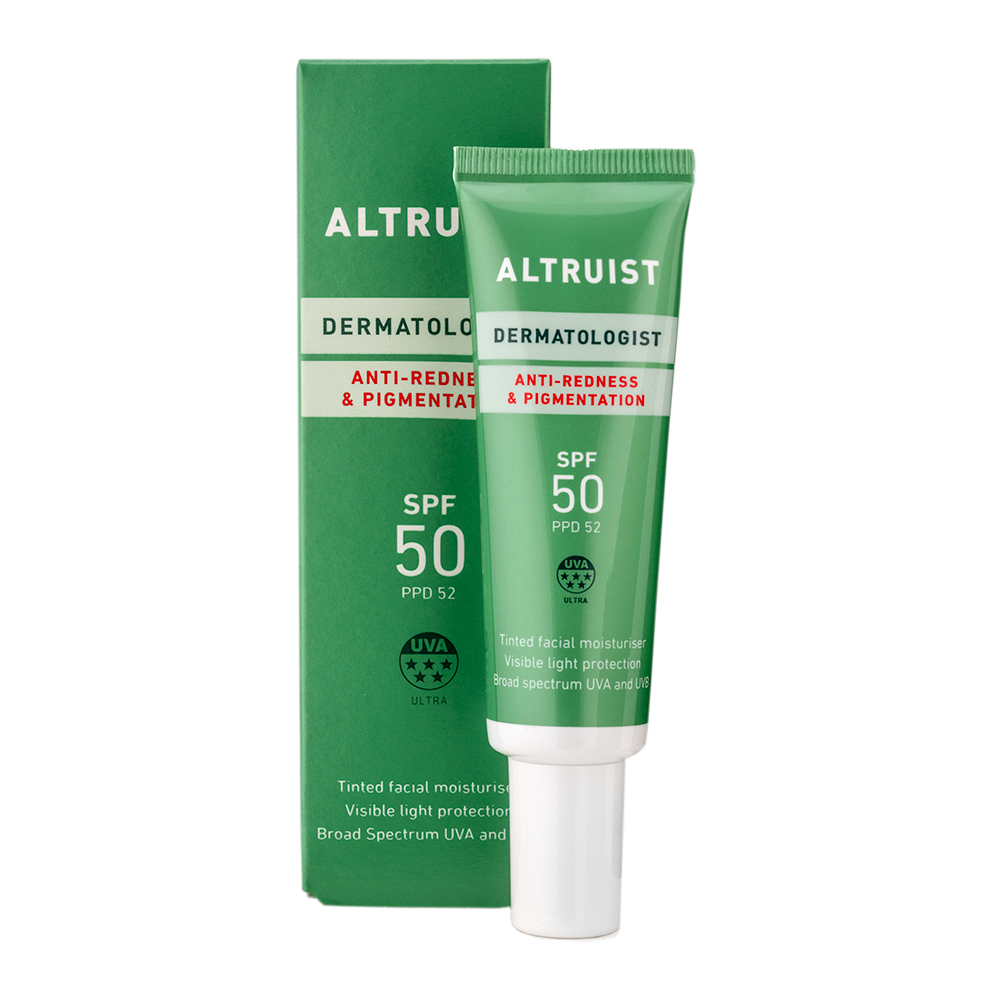
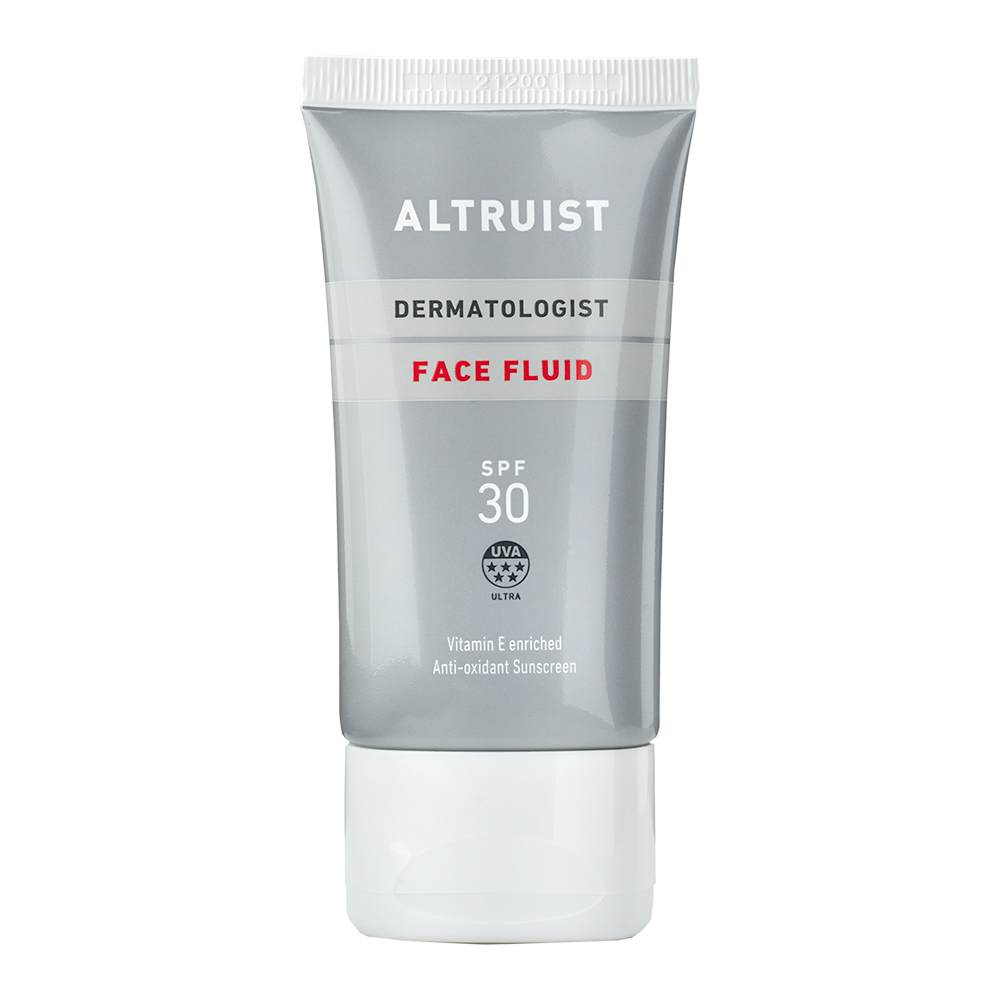
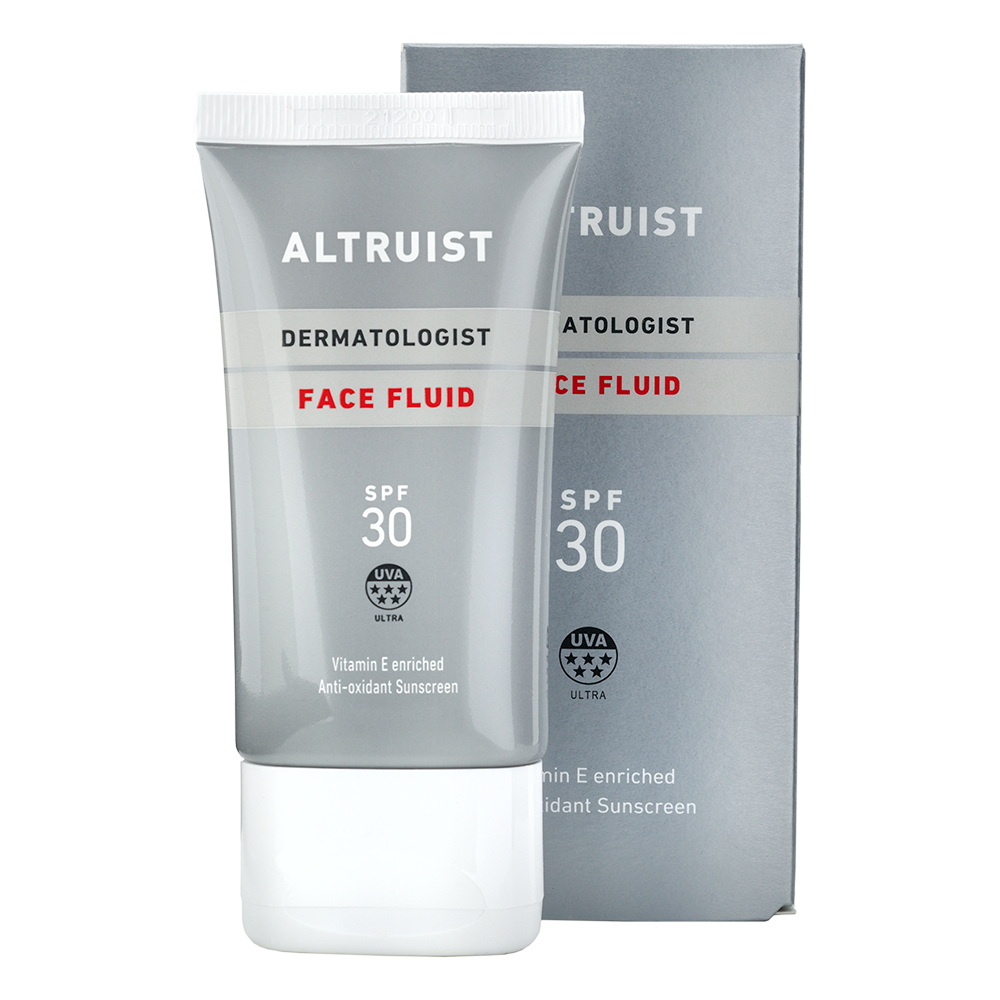
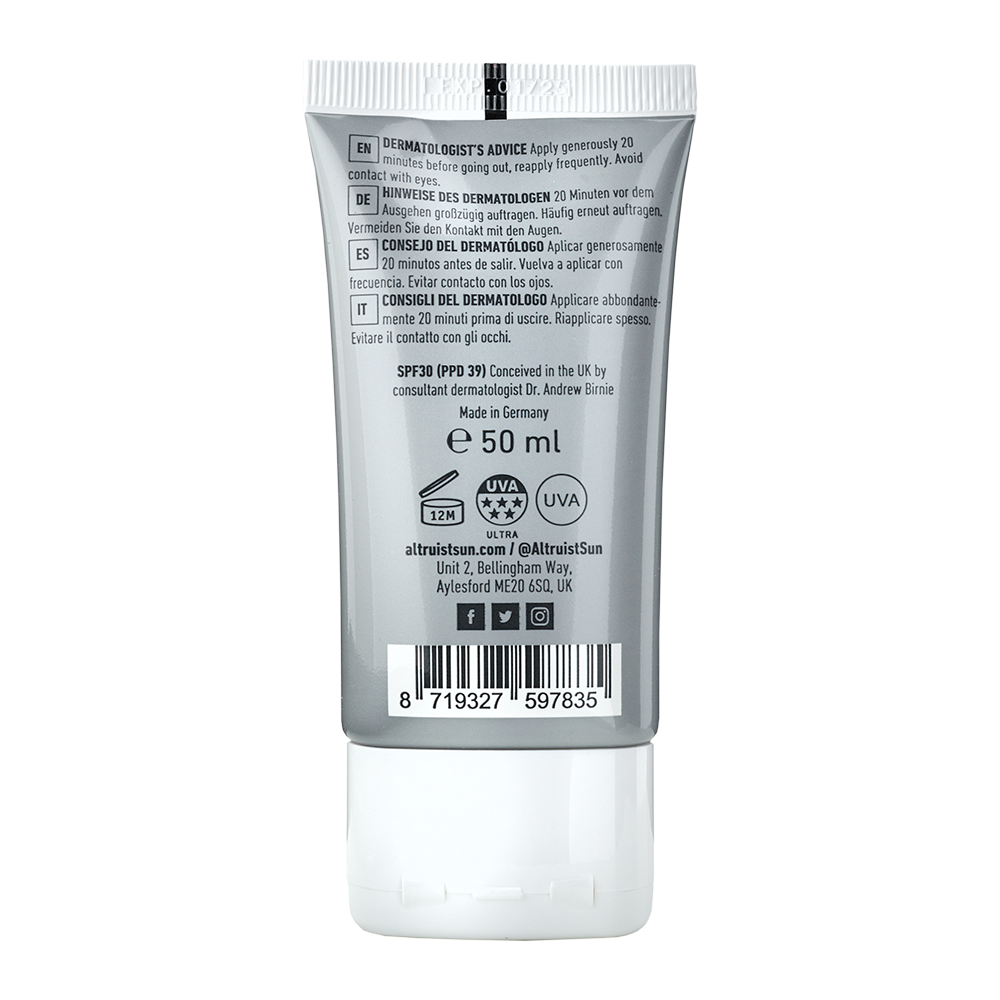
The Face Fluid SPF30 has a five-star ultra UVA classification with PPD 39. That ratio, almost 1.3 times the SPF value, sits well above the European minimum requirement of one third.
This is exactly why looking beyond the SPF number matters. At Altruist we believe UVA deserves particular attention when the goal is to protect the skin from cumulative damage, pigmentation and premature ageing, not simply from burning.
That result doesn't come from a single ingredient, but from a combination of broad spectrum filters, including Tinosorb A2B. A filter that breaks down quickly under UV exposure barely protects after an hour, however high its lab value once was.
Look beyond SPF:
When choosing your broad spectrum sunscreen, look for:
-
The UVA circle logo as an important minimum requirement
-
A PPD or UVA-PF value to understand the level of UVA protection
-
Five-star UVA protection where this rating system is used
-
Modern, photostable UV filters for reliable protection under UV exposure
This summer, you want to make the most of the sunshine, but with the right protection. Whether you are spending a day at the beach, going on holiday or simply enjoying time outdoors, good sun protection should be part of your daily routine.
With Altruist, you can choose high-quality, dermatologist-developed sun protection without paying a premium price.
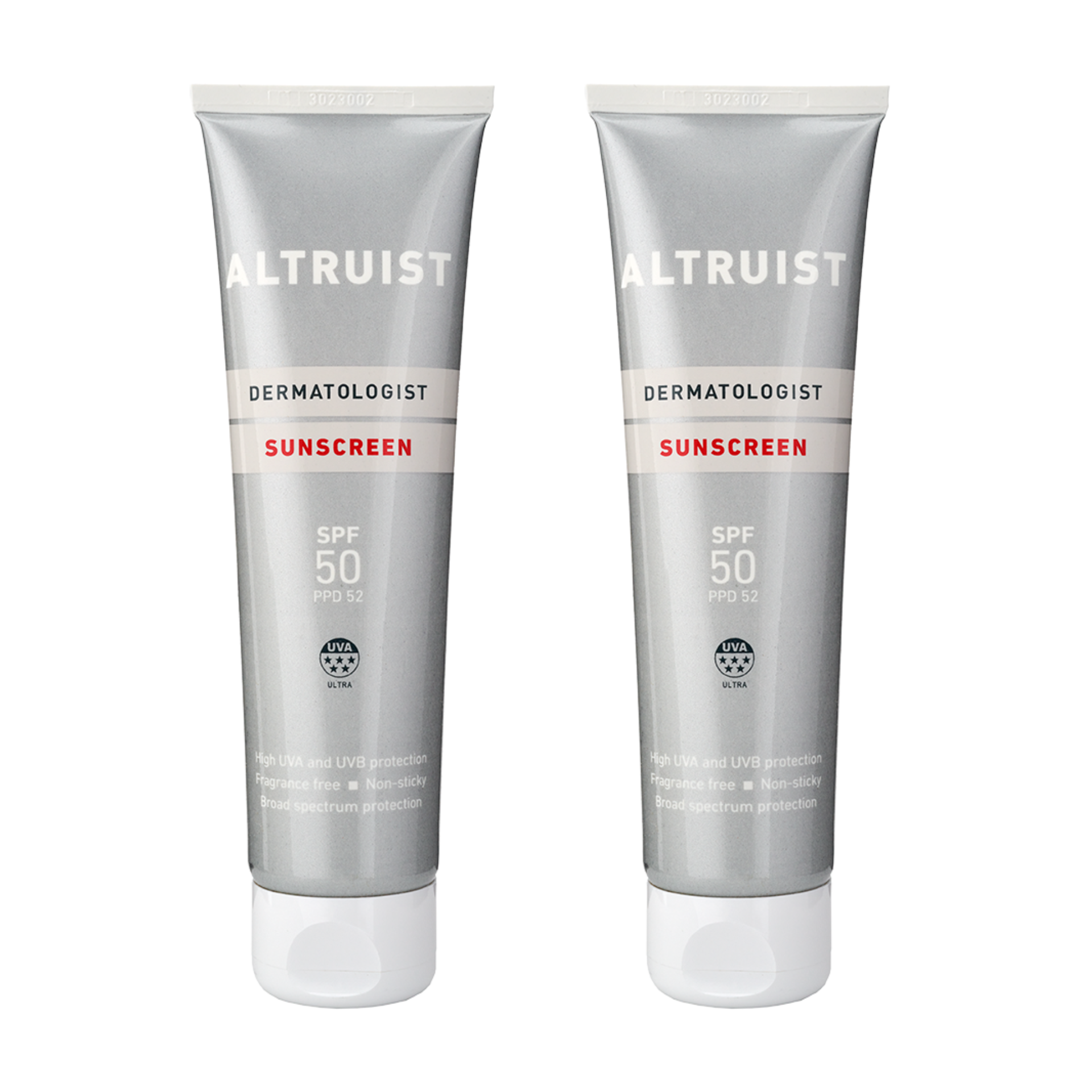
Want to make sure your skin is protected against UVA as well? Explore the Altruist Sunscreen range featuring five-star UVA protection. The products are dermatologically developed, hypoallergenic, fragrance-free and affordable.
Consulted sources:
-
Gabros, S., Priti, P., & Zito, M. (2025). Sunscreens and photoprotection. https://pmc.ncbi.nlm.nih.gov/articles/PMC12566446/#r15
-
Zou, Ramanathan, R., & Urban, S. (2022). Sunscreen testing: A critical perspective and future roadmap. TrAC Trends in Analytical Chemistry, 157. https://www.sciencedirect.com/science/article/pii/S0165993622002072?via%3Dihub


UPF Clothing Explained: How Much UV Do Normal Clothes Actually Block?
Your post-summer skincare routine